Introduction
Money is often seen as something people chase, worry about, or even argue over. But have you ever paused and asked yourself—what if money is not the problem, but how we use it is? In everyday life, money touches almost everything: what we eat, where we live, how we learn, and even how we help others.
At its core, money is simply a tool. Like a hammer in a toolbox, it can be used to build or to break depending on the hands that hold it. When used wisely, it has the power to improve lives, support communities, and even shape a better future for the world.
This article explores how money, when guided by responsibility and purpose, can become a force for good. From personal spending habits to global economic systems, we’ll walk through how financial decisions influence society in ways many people don’t often realize.
Understanding the Role of Money in Society
Money is more than coins and notes—it is a system that keeps modern life running. It allows trade, supports businesses, pays workers, and funds governments. Without it, societies would struggle to function beyond basic survival.
Think of money as the “circulatory system” of an economy. Just like blood carries oxygen to different parts of the body, money moves through markets, businesses, and households to keep everything alive and functioning.
But its role doesn’t stop there. Money also influences power, opportunity, and access. It decides who gets education, healthcare, or even a chance at entrepreneurship. That is why understanding money is not just for economists—it’s for everyone.
From Survival to Opportunity: Why Money Matters
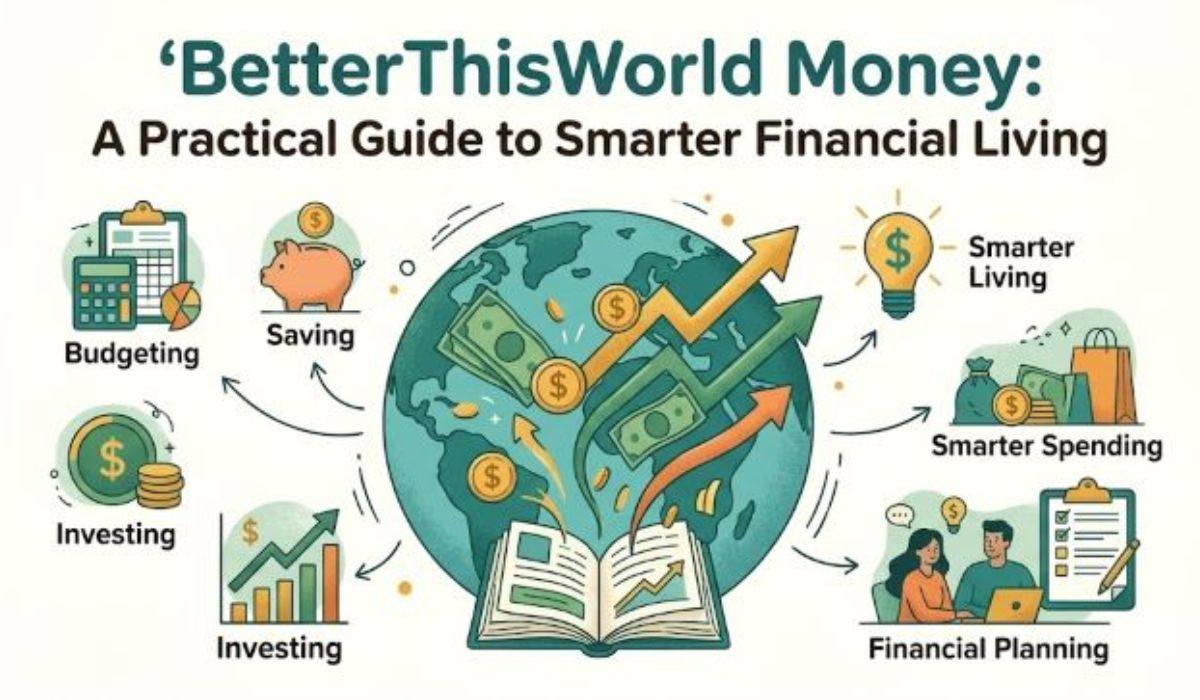
At a basic level, money helps people survive. It pays for food, shelter, and clothing. But beyond survival, it becomes a bridge to opportunity.
When people have financial stability, they can focus on growth instead of constant worry. A student can study without stress about tuition. A parent can invest in better healthcare for their children. A young entrepreneur can start a small business that might one day employ others.
Without financial support, potential often remains locked away. With it, doors open. That is the true importance of money—it transforms survival into possibility.
The Psychology of Wealth and Responsibility
Money doesn’t just affect wallets; it affects minds. People often associate wealth with success, security, or freedom. But it can also bring pressure, comparison, or fear of loss.
This is where responsibility becomes important. Wealth without awareness can lead to imbalance—overspending, waste, or even isolation. On the other hand, mindful financial behavior creates stability and long-term satisfaction.
A helpful way to think about it is like holding water in your hands. If you grip too tightly, it spills out. If you hold it too loosely, it falls away. Balance is key.
Understanding this psychological relationship helps people use money in healthier, more meaningful ways.
How Spending Choices Shape Communities
Every purchase we make sends a message. Buying local products supports small businesses. Choosing ethical brands encourages fair labor practices. Even small decisions add up when millions of people make them.
Imagine a neighborhood where people consistently support local shops instead of large distant corporations. Over time, that community becomes stronger, more connected, and economically independent.
Spending is not just personal—it is social. It creates ripples that affect jobs, industries, and even environmental practices. In this way, everyday choices quietly shape the world around us.
Philanthropy and the Power of Giving
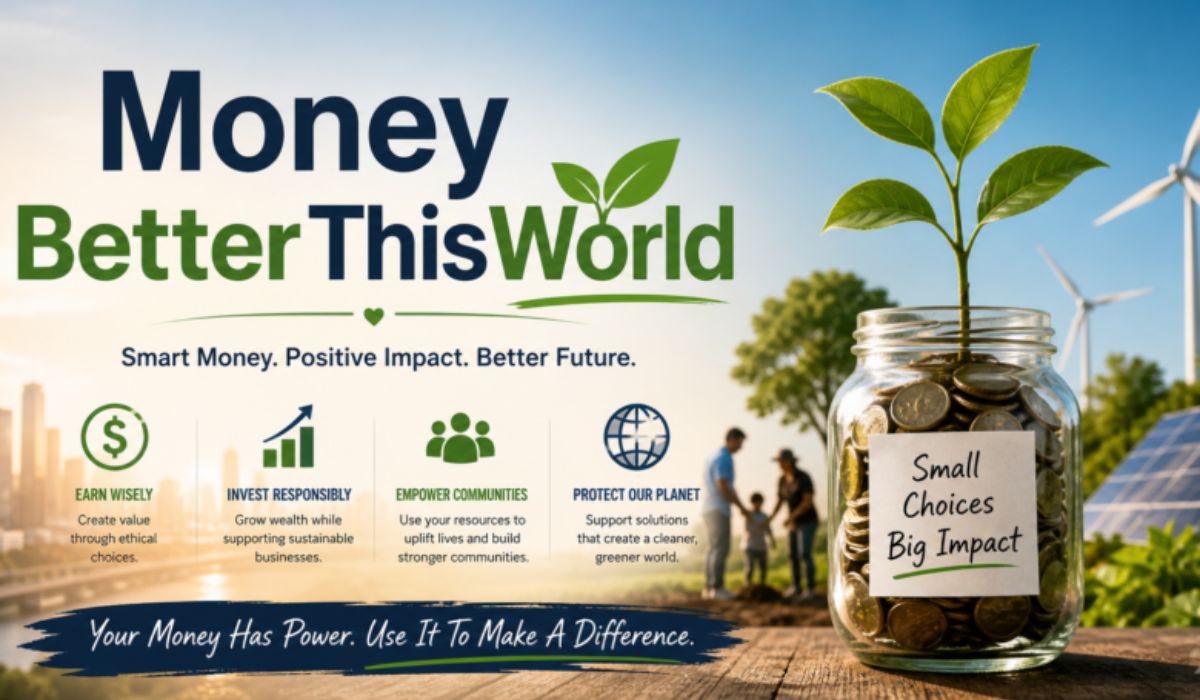
Giving is one of the most powerful ways money can improve the world. Philanthropy is not limited to billionaires or large organizations—it begins with anyone willing to share what they have.
Donations to education programs, healthcare initiatives, or disaster relief efforts can change lives instantly. But beyond immediate help, giving also builds hope and opportunity.
What makes giving powerful is not just the amount, but the intention behind it. A small contribution from many people can sometimes create more impact than a single large donation.
At its heart, generosity creates connection. It reminds us that we are part of something bigger than ourselves.
Ethical Investing and Conscious Finance
Money doesn’t just sit in bank accounts—it is constantly being used in investments. Where that money goes matters.
Ethical investing focuses on supporting companies that care about people and the planet. This includes businesses that use clean energy, treat workers fairly, and avoid harmful practices.
Instead of asking only “How much will I earn?” ethical finance asks, “What kind of world am I helping to build?”
This shift in thinking is growing globally. More individuals and institutions now want their money to reflect their values, not just their profits.
Entrepreneurship as a Tool for Social Change
Entrepreneurs are often seen as business builders, but they are also problem solvers. Many modern businesses are created not just for profit, but to address real-world challenges.
From affordable healthcare solutions to education platforms for remote areas, entrepreneurship is reshaping how society solves problems.
Small businesses, especially, play a huge role in local development. They create jobs, support families, and encourage innovation.
When creativity meets purpose, entrepreneurship becomes more than business—it becomes transformation.
Education and Financial Literacy for Everyone
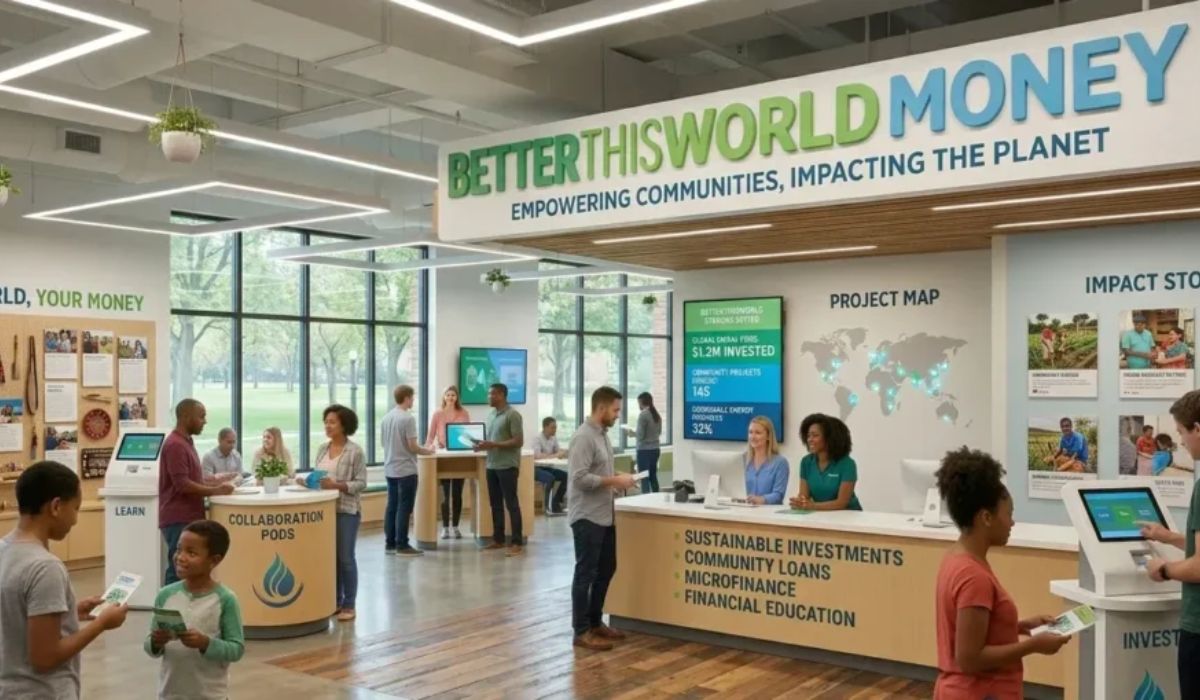
One of the most powerful tools for using money wisely is education. Financial literacy helps people understand saving, budgeting, investing, and planning.
Unfortunately, many people grow up without learning these skills. This can lead to debt, poor financial decisions, or missed opportunities.
Teaching financial awareness early can change this. Schools, communities, and families all play a role in building this knowledge.
When people understand money, they make better decisions—not just for themselves, but for their families and future generations.
Reducing Inequality Through Smart Economic Systems
Economic inequality is one of the biggest challenges in the modern world. While some people have access to resources and opportunities, others struggle to meet basic needs.
Smart economic systems aim to reduce this gap. This can include fair wages, social support programs, and equal access to education and healthcare.
It is not about making everyone the same—it is about giving everyone a fair starting point.
When inequality decreases, societies become more stable, productive, and peaceful. More people contribute, innovate, and grow.
Sustainable Living and Green Economics
The way money is used also affects the environment. Unsustainable consumption leads to pollution, deforestation, and climate change.
Green economics encourages spending and investing in eco-friendly solutions. This includes renewable energy, sustainable farming, and waste reduction technologies.
Even individual choices matter—using less plastic, supporting green companies, or choosing energy-efficient products can make a difference.
Sustainability is not just an environmental issue; it is also an economic one. A healthy planet supports a healthy economy.
Building a Culture of Purposeful Wealth
Wealth becomes meaningful when it has purpose. Instead of chasing money for its own sake, many people are now focusing on what it can achieve.
Purposeful wealth means using resources to improve life—not just for oneself, but for others too. It includes sharing knowledge, supporting communities, and investing in meaningful causes.
This shift is like moving from collecting stones to building bridges. One is about possession; the other is about connection.
When people start viewing money this way, it stops being just numbers and becomes a tool for positive impact.
Conclusion
Money, in itself, is neither good nor bad. It simply reflects how it is used. When guided by awareness, responsibility, and compassion, it can become one of the most powerful tools for improving the world.
From personal spending habits to global investments, every financial decision carries weight. Even small actions can contribute to larger change when multiplied across millions of people.
The real question is not how much money a person has, but how meaningfully they use it. A thoughtful approach to finance can support communities, protect the environment, and create opportunities for future generations.
In the end, money is not just about wealth—it is about impact. And that impact is shaped every day by the choices we make.
FAQs
1. How can money help improve society?
Money improves society when it is used for education, healthcare, infrastructure, and fair opportunities. It helps build systems that support long-term growth and well-being.
2. What is ethical investing?
Ethical investing means putting money into companies and projects that follow positive social and environmental practices, rather than focusing only on profit.
3. Can small financial contributions really make a difference?
Yes. When many people contribute small amounts, the combined effect can create significant impact, especially in community projects and charitable causes.
4. Why is financial literacy important?
Financial literacy helps people manage money wisely, avoid debt, and make informed decisions about saving and investing for the future.
5. How does spending affect the environment?
Spending choices influence production and consumption patterns. Supporting sustainable products and companies helps reduce environmental damage.
Leave a Reply