Digital learning has transformed the way students interact with educational content. Traditional lectures and worksheets are no longer the only tools available to teachers. Today, game-based learning platforms make lessons more interactive, engaging, and enjoyable. Among the most popular options are Kahoot and Blooket.
Both platforms help educators create quizzes and learning activities, but they approach engagement differently. While one focuses on competitive quiz experiences, the other introduces game mechanics that make learning feel like an adventure. This raises an important question: which platform offers the better learning experience?
In this detailed comparison, we’ll explore every major aspect of these educational tools, including features, usability, classroom engagement, pricing, customization, and overall effectiveness.
Understanding the Basics of Kahoot and Blooket
Before comparing the two, it’s important to understand what each platform offers.
Kahoot is a game-based learning platform that allows teachers, trainers, and organizations to create interactive quizzes. Participants answer questions in real time, earning points based on accuracy and speed.
Blooket takes a different approach. It combines educational questions with various game modes. Students answer questions to earn rewards, unlock features, and progress through unique gameplay experiences.
Think of Kahoot as a live quiz show and Blooket as a video game powered by educational questions. Both teach the same concepts, but the journey feels very different.
Why Game-Based Learning Matters
Increased Participation
Students often become more involved when learning feels fun. Interactive challenges encourage even reluctant learners to participate.
Better Knowledge Retention
Research consistently shows that active participation improves memory. When students answer questions, compete, and receive instant feedback, they tend to remember information longer.
Improved Classroom Energy
A classroom can quickly become more energetic when students are excited about the learning process. Educational games create an atmosphere that promotes enthusiasm and collaboration.
User Interface and Ease of Use
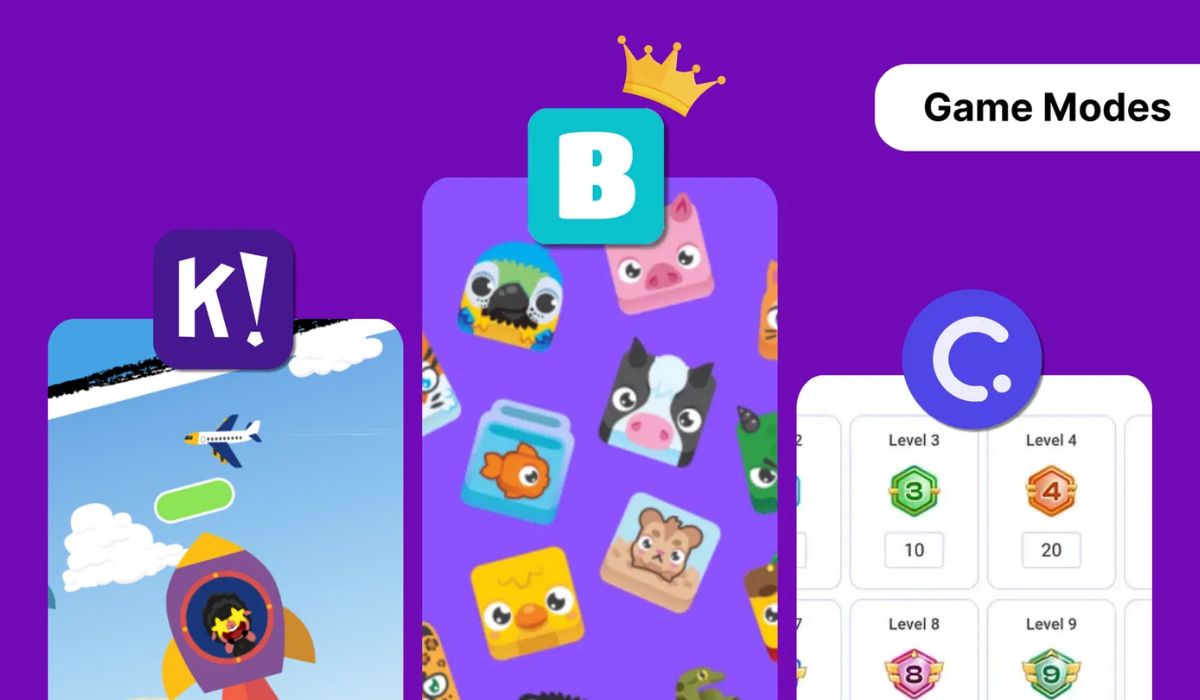
Kahoot’s Interface
Kahoot features a clean and straightforward design. Teachers can easily create quizzes, add images, videos, and questions, then launch games within minutes.
The platform emphasizes simplicity. Most users can navigate it without extensive training.
Blooket’s Interface
Blooket also offers an intuitive interface, but it introduces more game-related elements. Teachers may need a little extra time to explore the various game modes and settings.
Students, however, often find the colorful design highly appealing because it resembles modern gaming environments.
Which Is Easier?
For beginners, Kahoot generally has a slight advantage because of its simplicity. However, once users become familiar with Blooket, managing activities becomes equally straightforward.
Student Engagement: The Biggest Difference
Kahoot’s Competitive Approach
Kahoot relies heavily on leaderboards and timed responses. Students compete to answer questions quickly and correctly.
This creates excitement and urgency. Every question feels like a race against time.
Blooket’s Gameplay Experience
Blooket goes beyond simple competition. It incorporates game mechanics such as collecting resources, unlocking rewards, and advancing through different challenges.
Students often become so immersed in the gameplay that they forget they’re completing educational activities.
Engagement Winner
For younger students and gaming enthusiasts, Blooket often generates higher engagement levels. For structured classroom competitions and fast-paced reviews, Kahoot remains extremely effective.
Available Game Modes
Kahoot’s Learning Modes
Kahoot offers several ways to play:
- Live classroom quizzes
- Self-paced challenges
- Team competitions
- Homework assignments
- Interactive presentations
The focus remains on question-and-answer activities.
Blooket’s Diverse Modes
Blooket stands out because of its wide variety of game styles, including:
- Gold Quest
- Tower Defense
- Factory
- Battle Royale
- Crypto Hack
- Cafe
- Fishing Frenzy
Each mode provides a unique experience while using the same question set.
Variety Comparison
When it comes to gameplay variety, Blooket clearly offers more options. Students rarely feel like they’re repeating the same activity.
Content Creation and Customization
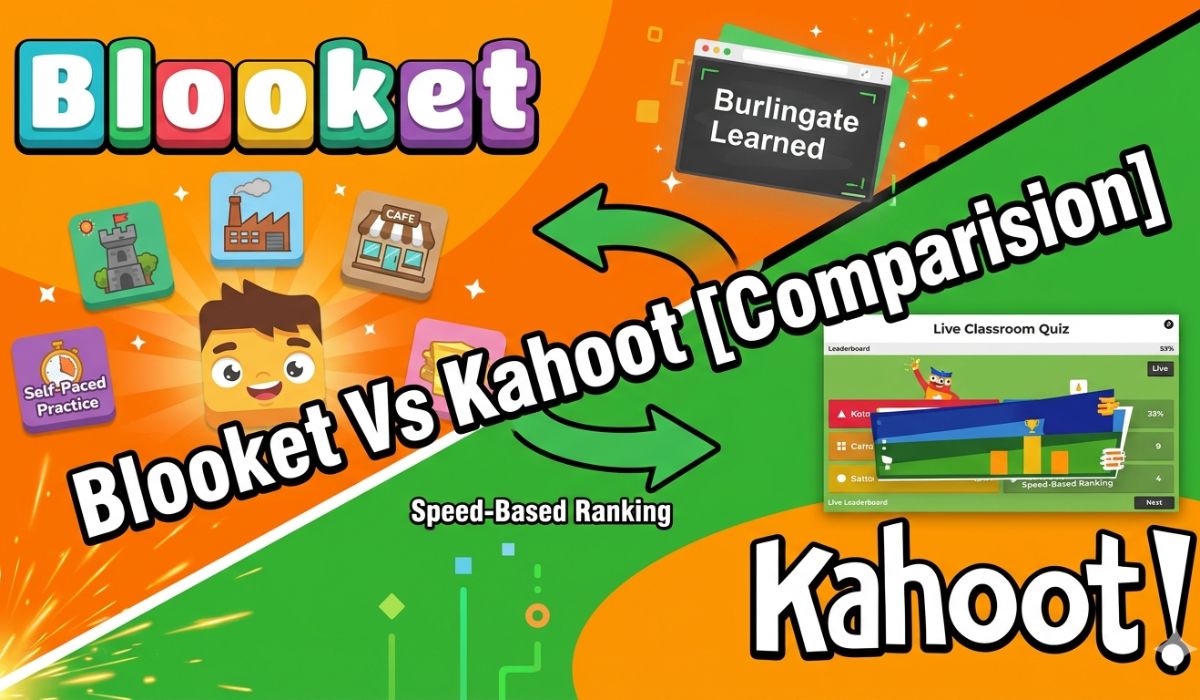
Creating Quizzes in Kahoot
Teachers can build quizzes using:
- Multiple-choice questions
- Polls
- True or false questions
- Puzzle challenges
- Slides and presentations
The creation process is highly polished and professional.
Creating Sets in Blooket
Blooket allows teachers to create question sets or import existing content. The platform also provides access to a large library of public question banks.
Customization Options
Both platforms offer strong customization capabilities, but Kahoot provides more advanced presentation tools. Blooket focuses more on gameplay customization.
Classroom Management Features
Kahoot for Teachers
Teachers can:
- Monitor student performance
- Generate reports
- Track progress
- Assign homework
- Analyze quiz results
The reporting tools are comprehensive and useful for assessment purposes.
Blooket for Teachers
Blooket also provides analytics and reports, though its primary strength lies in engagement rather than detailed assessment.
Best for Assessment
Teachers seeking extensive performance data often prefer Kahoot because of its robust reporting system.
Remote Learning and Hybrid Education
Kahoot’s Remote Capabilities
Kahoot became especially popular during remote learning periods. Students can join from virtually anywhere using a game code.
Features like self-paced challenges make it suitable for online education.
Blooket’s Online Flexibility
Blooket also supports remote participation. Students can join games independently while still enjoying interactive gameplay.
Distance Learning Comparison
Both platforms perform well in remote environments. Kahoot offers a more structured experience, while Blooket provides greater entertainment value.
Pricing and Subscription Plans
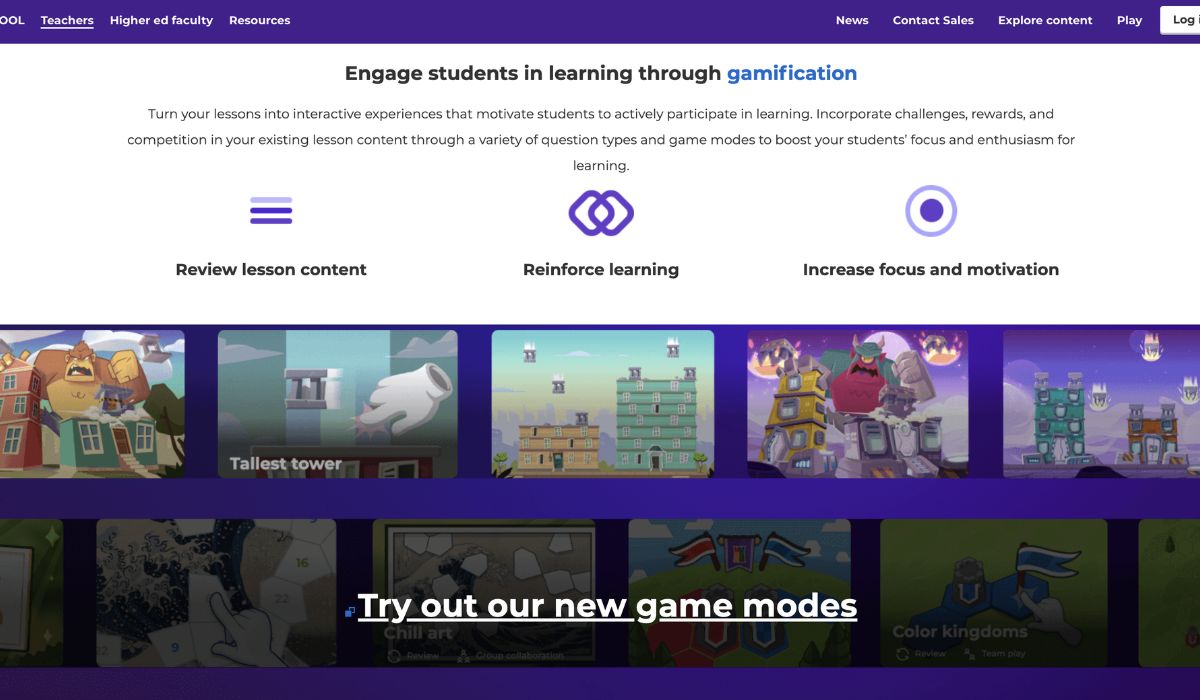
Kahoot Pricing
Kahoot offers:
- Free plans
- Teacher plans
- School licenses
- Business packages
Some advanced features require paid subscriptions.
Blooket Pricing
Blooket also provides free access alongside premium memberships.
Paid plans unlock:
- Enhanced reports
- Additional game settings
- Exclusive features
- Improved customization
Value for Money
Both platforms offer strong free versions. However, many educators appreciate Blooket’s ability to provide engaging experiences without requiring immediate upgrades.
Educational Effectiveness
Learning Outcomes with Kahoot
Kahoot excels at:
- Exam reviews
- Knowledge checks
- Classroom discussions
- Quick assessments
Its structured format helps reinforce learning objectives clearly.
Learning Outcomes with Blooket
Blooket shines in:
- Long-term engagement
- Repeated practice
- Independent learning
- Motivation-building activities
Students often replay games voluntarily, resulting in additional exposure to educational content.
Which Supports Learning Better?
The answer depends on teaching goals. Kahoot supports formal assessment more effectively, while Blooket excels at motivating students to practice repeatedly.
Age Groups and Audience Suitability
Younger Learners
Elementary students often gravitate toward Blooket because of its colorful design and game mechanics.
Middle School Students
Both platforms perform exceptionally well in middle school classrooms where competition and interaction are highly motivating.
High School and Adult Learners
Older students and professional learners often prefer Kahoot because it feels more structured and academic.
Best Audience Match
- Elementary: Blooket
- Middle School: Either platform
- High School: Kahoot slightly ahead
- Corporate Training: Kahoot preferred
Strengths and Weaknesses
Kahoot Advantages
Strengths
- Easy to use
- Professional interface
- Strong assessment tools
- Excellent reporting
- Reliable classroom management
Weaknesses
- Limited gameplay variety
- Can become repetitive
- Heavy emphasis on speed
Blooket Advantages
Strengths
- Highly engaging
- Numerous game modes
- Strong student motivation
- Encourages repeated practice
- Fun learning experience
Weaknesses
- Less detailed reporting
- Some game modes can distract from learning objectives
- Requires initial exploration to understand all features
Which Platform Should Teachers Choose?
The decision ultimately depends on classroom goals.
Choose Kahoot if you need:
- Formal assessments
- Data-driven instruction
- Structured classroom reviews
- Professional presentations
- Simple implementation
Choose Blooket if you want:
- Maximum student engagement
- Diverse gameplay experiences
- Repeated practice opportunities
- Motivational learning activities
- Gamified education
Many educators actually use both platforms together. Kahoot serves as the assessment tool, while Blooket becomes the engagement tool. This combination allows teachers to enjoy the strengths of each platform.
The Future of Interactive Learning Platforms
Educational technology continues to evolve rapidly. Students increasingly expect learning experiences that resemble the digital environments they enjoy outside school.
Platforms like Kahoot and Blooket represent a larger shift toward gamification. Instead of viewing education and entertainment as separate worlds, modern learning tools blend the two together.
As technology advances, future platforms will likely incorporate artificial intelligence, personalized learning paths, and even more immersive experiences. The goal remains the same: making learning effective while keeping students engaged.
Conclusion
The debate between Kahoot vs Blooket doesn’t have a single winner because each platform serves a different purpose. Kahoot excels in structured assessments, classroom reviews, and performance tracking. Blooket thrives on engagement, creativity, and game-based motivation.
If your primary objective is measuring understanding and reviewing content efficiently, Kahoot is an excellent choice. If your goal is maximizing excitement and encouraging students to practice repeatedly, Blooket may be the better option.
Rather than viewing them as competitors, many educators see them as complementary tools. Together, they create a balanced learning environment where assessment and engagement work hand in hand. Ultimately, the best platform is the one that aligns with your educational goals and keeps learners actively participating in the learning process.
FAQs
1. Is Blooket better than Kahoot?
Blooket is often considered more engaging because of its diverse game modes, while Kahoot is generally stronger for assessments and structured learning activities.
2. Can teachers use both Kahoot and Blooket together?
Yes. Many educators use Kahoot for quizzes and reviews while using Blooket for practice sessions and student engagement.
3. Which platform is better for elementary students?
Blooket is often preferred for younger learners because its game mechanics and colorful design make learning more enjoyable.
4. Does Kahoot provide better reports than Blooket?
Yes. Kahoot offers more comprehensive analytics and reporting features, making it easier to track student performance and progress.
5. Are Kahoot and Blooket free to use?
Both platforms offer free versions with core features. Premium subscriptions provide additional tools, customization options, and advanced reporting capabilities.
Leave a Reply