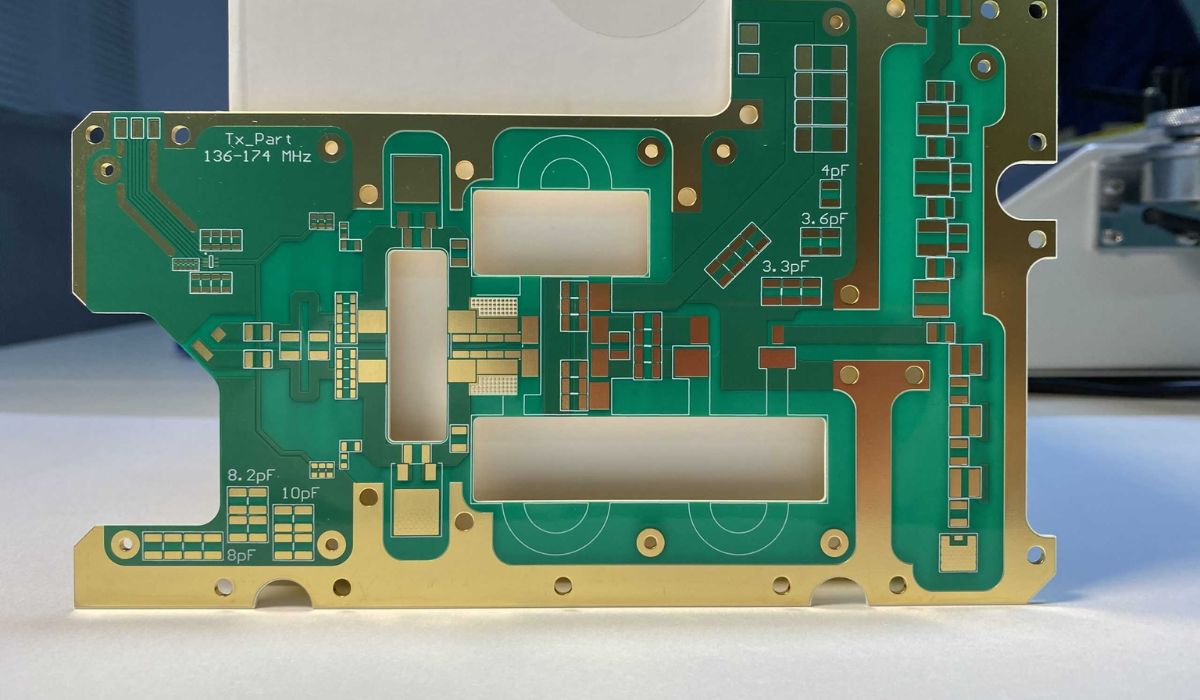
In today’s connected world, electronic devices are becoming faster, smarter, and more capable than ever before. Whether it’s a smartphone, satellite communication system, radar equipment, or 5G infrastructure, the demand for rapid data transmission continues to grow. Behind many of these innovations lies a specialized technology known as the high frequency PCB.
Unlike traditional circuit boards, these advanced boards are specifically designed to handle signals operating at extremely high frequencies while maintaining stability and accuracy. As frequencies increase, even the smallest design flaws can impact performance. That’s why engineers rely on specialized materials, layouts, and manufacturing techniques to ensure reliable operation.
This comprehensive guide explores everything you need to know about high frequency PCB technology, from its basic principles and materials to applications, benefits, challenges, and future developments.
What Is a High Frequency PCB?
A high frequency PCB is a printed circuit board specifically designed to transmit signals at frequencies typically above 500 MHz and often extending into the gigahertz (GHz) range.
Traditional circuit boards perform well for standard electronic devices, but when signals travel at extremely high speeds, electrical behavior changes significantly. At these frequencies, factors such as dielectric loss, signal reflection, impedance mismatch, and electromagnetic interference become critical.
Think of a standard road compared to a high-speed railway. A road may work perfectly for ordinary vehicles, but a bullet train requires specially engineered tracks. Similarly, high-speed electronic signals require specially designed circuit boards to travel efficiently.
These specialized boards are widely used in wireless communication systems, aerospace equipment, radar systems, medical devices, and advanced automotive electronics.
Why High Frequency PCBs Are Important
As technology advances, the need for faster communication and greater bandwidth continues to rise. High frequency PCBs play a crucial role in meeting these demands.
Faster Data Transmission
Modern communication systems rely on rapid signal transfer. Specialized circuit boards ensure signals travel with minimal loss and distortion.
Improved Signal Quality
Signal degradation can lead to errors and reduced performance. Properly engineered boards maintain signal integrity even at extremely high operating frequencies.
Enhanced System Reliability
Stable signal transmission helps electronic systems function consistently in demanding environments.
Support for Emerging Technologies
Technologies such as 5G networks, autonomous vehicles, IoT devices, and satellite communications depend heavily on high-frequency circuit design.
Key Characteristics of High Frequency PCBs
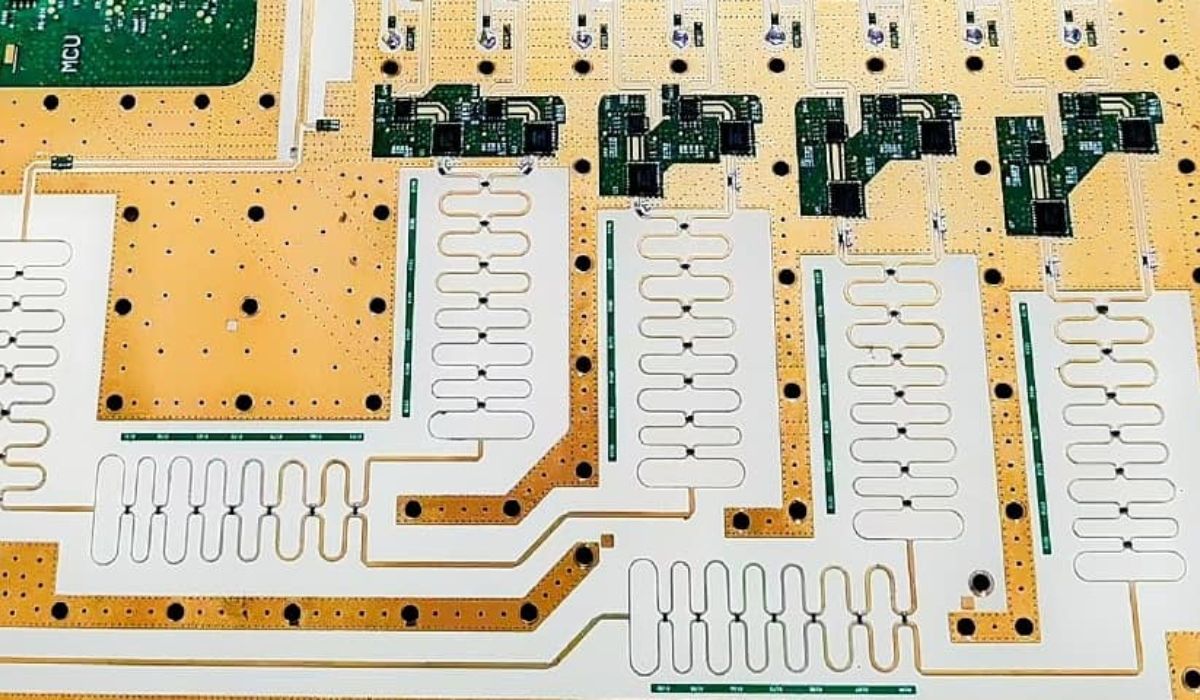
Several unique features distinguish these advanced boards from conventional alternatives.
Low Dielectric Constant
The dielectric constant influences how signals travel through a board’s substrate. Lower values generally allow faster signal propagation and reduced delay.
Low Dissipation Factor
A low dissipation factor minimizes energy loss as signals move across the board. This characteristic improves efficiency and overall performance.
Stable Electrical Properties
Consistency is essential in high-frequency applications. Specialized materials maintain predictable performance under varying temperatures and environmental conditions.
Tight Manufacturing Tolerances
Even minor dimensional variations can impact performance. High frequency boards require extremely precise fabrication processes.
Controlled Impedance
Maintaining consistent impedance helps prevent signal reflections and transmission errors.
Materials Used in High Frequency PCB Manufacturing
Material selection is one of the most critical aspects of designing these specialized circuit boards.
PTFE-Based Materials
Polytetrafluoroethylene (PTFE) is among the most popular materials used in high-frequency applications.
Benefits include:
- Excellent electrical performance
- Low signal loss
- Stable dielectric properties
- Superior thermal resistance
PTFE-based laminates are commonly found in aerospace, military, and telecommunications equipment.
Hydrocarbon Ceramic Materials
These materials combine the benefits of ceramics with easier manufacturing processes.
Advantages include:
- Good electrical stability
- Improved mechanical strength
- Cost-effective production
Rogers Materials
Rogers Corporation produces some of the most widely used laminates for RF and microwave applications.
These materials are known for:
- Low dielectric loss
- High reliability
- Consistent performance
Modified Epoxy Materials
Enhanced epoxy systems offer a balance between performance and affordability, making them suitable for many commercial applications.
Design Considerations for High Frequency PCBs
Designing a board for high-frequency operation involves much more than simply arranging components.
Signal Integrity Management
Signal integrity refers to preserving the quality of electrical signals throughout the circuit.
Designers focus on:
- Minimizing reflections
- Reducing crosstalk
- Controlling impedance
- Limiting signal loss
Trace Geometry Optimization
The width, spacing, and routing of traces significantly affect performance.
Proper trace design helps:
- Maintain impedance consistency
- Reduce unwanted interference
- Improve transmission efficiency
Ground Plane Design
Ground planes serve as reference surfaces for signal paths.
Effective grounding provides:
- Noise reduction
- Improved shielding
- Enhanced signal stability
Via Management
Vias connect different board layers but can introduce unwanted inductance and capacitance.
Designers often minimize unnecessary vias to maintain optimal signal quality.
Understanding Signal Integrity in High Frequency Applications
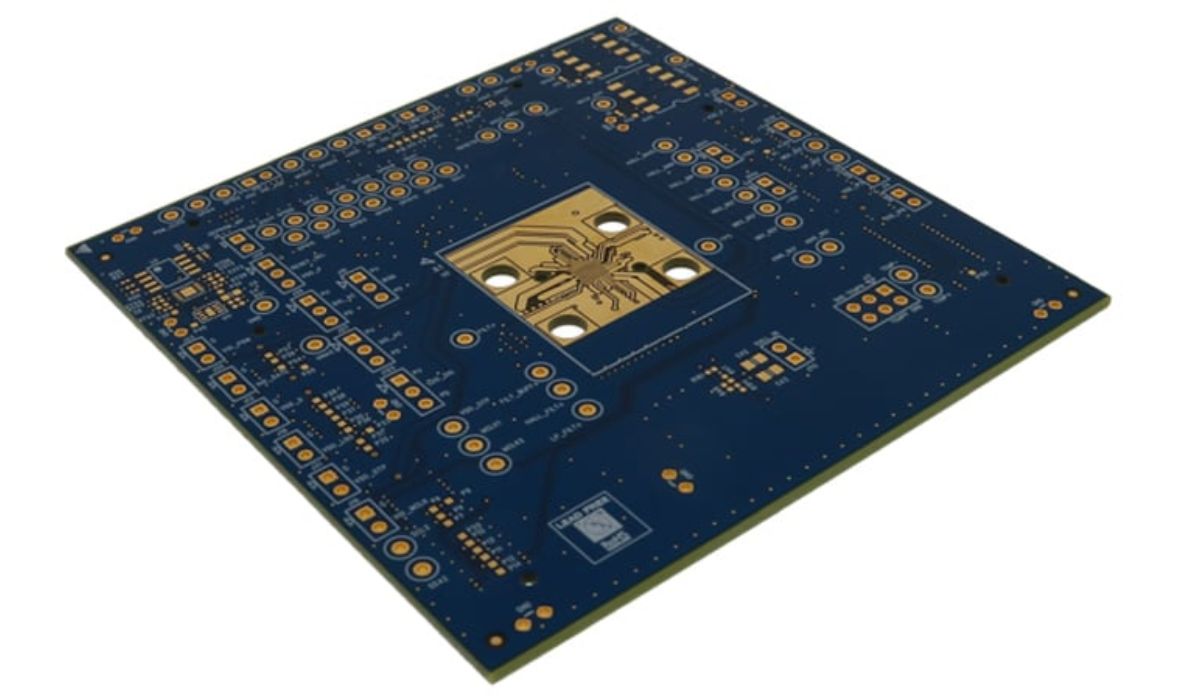
Signal integrity is one of the most important concepts in advanced PCB design.
At high frequencies, signals behave differently than they do in conventional circuits. Reflections, attenuation, and interference become much more pronounced.
Causes of Signal Degradation
Several factors can negatively affect signal quality:
- Impedance mismatches
- Long trace lengths
- Poor grounding
- Material losses
- Electromagnetic interference
Methods for Improving Signal Integrity
Engineers employ various techniques, including:
- Controlled impedance routing
- Differential pair design
- Optimized layer stackups
- Proper termination methods
The goal is to ensure signals arrive at their destination accurately and efficiently.
Manufacturing Process of High Frequency PCBs
The manufacturing process requires greater precision than standard PCB production.
Material Preparation
Specialized laminates are selected based on performance requirements and operating frequencies.
Layer Formation
Copper layers are carefully patterned to create the required circuit layout.
Lamination
Multiple layers are bonded together under controlled pressure and temperature conditions.
Drilling and Plating
High-precision drilling ensures accurate via placement and electrical connectivity.
Surface Finishing
Protective finishes improve solderability and help prevent oxidation.
Testing and Inspection
Extensive quality control procedures verify electrical performance and manufacturing accuracy.
Applications of High Frequency PCBs
These advanced circuit boards are used in numerous industries where speed and reliability are essential.
Telecommunications
Telecommunication systems rely heavily on high-frequency circuitry.
Applications include:
- 5G infrastructure
- Wireless routers
- Cellular base stations
- Network equipment
Aerospace and Defense
Military and aerospace systems often operate in challenging environments.
Common applications include:
- Radar systems
- Satellite communications
- Navigation equipment
- Electronic warfare systems
Automotive Industry
Modern vehicles increasingly depend on advanced electronic systems.
Examples include:
- Autonomous driving technologies
- Collision avoidance systems
- Vehicle communication networks
- Radar-based sensors
Medical Equipment
Precision and reliability are crucial in healthcare technology.
Applications include:
- Diagnostic imaging systems
- Wireless monitoring devices
- Surgical equipment
- Medical communication systems
Industrial Automation
Factories use high-speed communication systems to improve productivity and efficiency.
Advantages of High Frequency PCBs
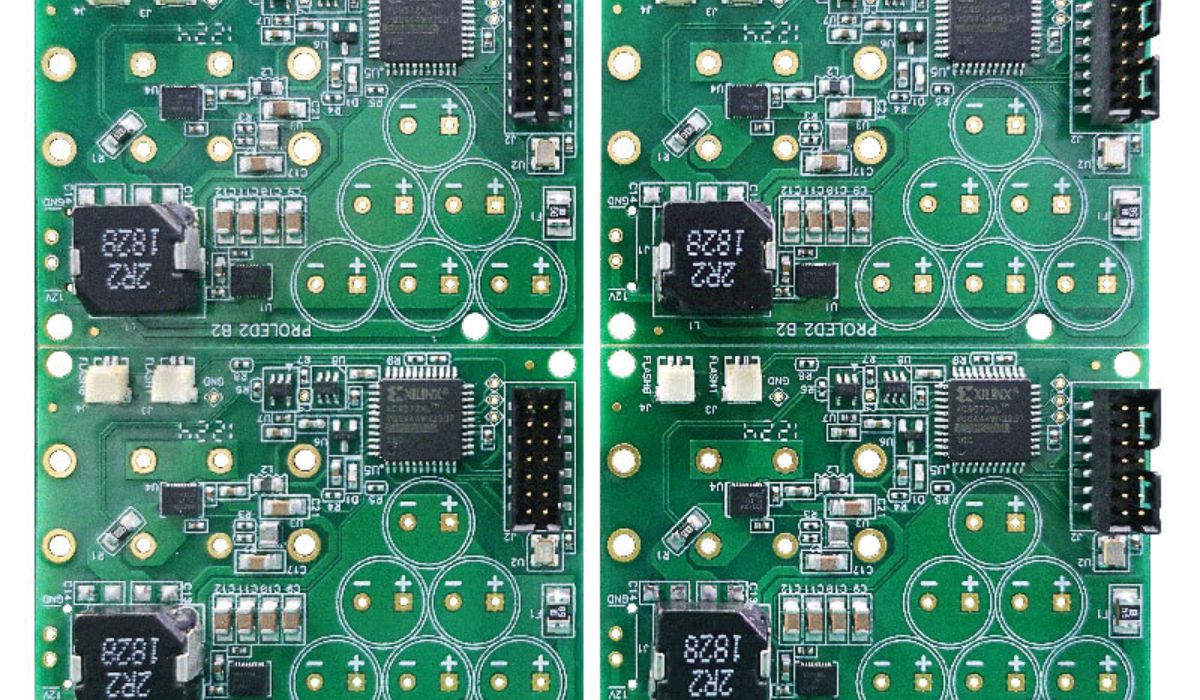
The growing popularity of these specialized boards stems from several significant benefits.
Superior Signal Performance
Optimized materials and layouts help maintain signal quality across long transmission paths.
Reduced Signal Loss
Low-loss substrates allow signals to travel efficiently without excessive attenuation.
Improved Reliability
Consistent electrical properties contribute to long-term system stability.
Support for Compact Designs
Advanced routing techniques enable smaller and more powerful electronic devices.
Better Thermal Performance
Many high-frequency materials offer excellent heat management characteristics.
Challenges Associated with High Frequency PCBs
Despite their advantages, these boards also present several challenges.
Higher Material Costs
Specialized laminates are often more expensive than traditional PCB materials.
Complex Design Requirements
Designing for high-frequency operation requires extensive expertise and simulation tools.
Manufacturing Precision
Strict tolerances increase production complexity and quality control requirements.
Thermal Management Issues
Some high-power applications generate significant heat that must be effectively dissipated.
Testing Complexity
Verifying performance at gigahertz frequencies requires specialized equipment and procedures.
Cost Factors in High Frequency PCB Production
Several elements influence manufacturing costs.
Material Selection
Premium materials often represent a significant portion of the total cost.
Layer Count
Boards with more layers generally require additional processing steps.
Board Complexity
Advanced routing, tight tolerances, and unique structures can increase production expenses.
Testing Requirements
High-frequency validation procedures add time and cost to manufacturing.
Production Volume
Large production runs typically reduce per-unit costs through economies of scale.
Future Trends in High Frequency PCB Technology
The future of electronics is closely linked to advancements in high-frequency circuit design.
Expansion of 5G and 6G Networks
Wireless communication standards continue pushing frequency limits higher.
Growth of Autonomous Vehicles
Self-driving systems rely heavily on radar and communication technologies.
Increased Satellite Connectivity
Satellite internet services require sophisticated RF and microwave circuitry.
Artificial Intelligence Hardware
AI infrastructure demands faster data processing and communication capabilities.
Advanced Materials Development
Researchers continue developing substrates with even lower losses and improved thermal characteristics.
These innovations will drive the next generation of electronic systems and communication technologies.
Choosing the Right High Frequency PCB Manufacturer
Selecting a capable manufacturing partner is critical for project success.
Look for manufacturers that offer:
- Experience with RF and microwave designs
- Advanced testing capabilities
- Material expertise
- Strong quality control systems
- Proven industry certifications
A reliable manufacturer can help optimize performance, reduce risks, and improve overall product quality.
Conclusion
High frequency PCB technology serves as the foundation for many of today’s most advanced electronic systems. From 5G communication networks and radar systems to autonomous vehicles and medical devices, these specialized circuit boards enable fast, reliable, and accurate signal transmission at frequencies that conventional boards struggle to support.
Success in high-frequency design depends on careful material selection, precise manufacturing, controlled impedance, and strong attention to signal integrity. Although these boards often involve higher costs and greater complexity, their performance advantages make them indispensable in modern electronics. As communication technologies continue evolving, the importance of high-frequency circuit boards will only increase, shaping the future of connectivity, automation, and innovation.
FAQs
1. What frequency range is considered high frequency for PCBs?
Generally, circuit boards operating above 500 MHz are considered high-frequency designs, although many applications operate in the GHz range.
2. Why are special materials required for high frequency PCBs?
Standard materials can cause excessive signal loss at higher frequencies. Specialized laminates provide lower dielectric loss and more stable electrical performance.
3. What industries use high frequency PCBs the most?
Telecommunications, aerospace, defense, automotive, medical technology, and industrial automation are among the largest users of these specialized circuit boards.
4. How does impedance control affect PCB performance?
Controlled impedance minimizes signal reflections and transmission errors, helping maintain signal integrity across the circuit.
5. Are high frequency PCBs more expensive than standard PCBs?
Yes. Specialized materials, tighter manufacturing tolerances, advanced testing, and complex design requirements generally increase production costs compared to conventional boards.
Leave a Reply