
Have you ever wondered what would happen if Shakespeare had a pint or two before writing Hamlet or Macbeth? Well, that whimsical question is no longer just imagination—it has inspired an entire theatrical experience known as Drunk Shakespeare. This unique show combines comedy, drama, and a healthy splash of alcohol, bringing the genius of Shakespeare to life in a way that’s hilariously unpredictable. Let’s dive into this one-of-a-kind phenomenon and explore why audiences can’t get enough of it.
What is Drunk Shakespeare?
At its core, Drunk Shakespeare is a theatrical performance where one actor consumes alcohol on stage before performing a Shakespearean play. While this might sound chaotic, it’s anything but random. The show blends classic literature with improvisational comedy, creating a performance that’s fresh and entertaining every single night. Unlike traditional productions, where every line is memorized, Drunk Shakespeare thrives on spontaneity, mistakes, and audience interaction, making each show a unique experience.
The Origins of the Concept
You might be wondering—who thought, “Let’s put alcohol and Shakespeare together”? Drunk Shakespeare was created by T.J. Dawson, a visionary who wanted to make Shakespeare accessible and fun for a modern audience. The concept first appeared in New York City and quickly became a hit among tourists and locals alike. Dawson recognized that while Shakespeare’s works are brilliant, they can sometimes feel intimidating. By adding a bit of drunken chaos, he made the Bard approachable, engaging, and downright hilarious.
How the Show Works

The structure of Drunk Shakespeare is simple but effective:
-
The Chosen Actor Drinks: At the start, one actor drinks a pre-measured amount of alcohol, usually whiskey or wine.
-
The Performance Begins: The play starts as any traditional Shakespeare production would, with the remaining actors maintaining their roles.
-
Unexpected Hilarity Ensues: As the drunk actor delivers lines, improvisation and mistakes generate laughs, while the other actors skillfully adapt to keep the story coherent.
-
Audience Participation: The audience often gets involved, making comments or helping the actor through difficult lines, adding to the unpredictability.
This setup transforms every performance into a one-of-a-kind adventure. No two nights are ever the same, and that unpredictability is part of the charm.
Why Audiences Love It
Why has Drunk Shakespeare become such a phenomenon? There are a few reasons:
-
Relatability: Watching someone grapple with alcohol while performing makes Shakespeare feel human and approachable.
-
Comedy: Humor is a universal draw. The drunken antics of the actor provide endless comedic moments.
-
Interactive Experience: The audience isn’t just watching—they’re part of the fun.
-
Educational Yet Entertaining: Surprisingly, even in its chaotic form, the show introduces viewers to Shakespeare’s language, plots, and characters.
It’s a combination of education, entertainment, and a little bit of chaos that keeps people coming back.
Famous Plays Performed
Drunk Shakespeare doesn’t limit itself to one or two plays. Popular productions include:
-
Hamlet: The brooding prince becomes even more unpredictable under the influence.
-
Macbeth: Witches, murder, and mispronunciations create a hilarious twist.
-
Romeo and Juliet: Romantic lines delivered sloppily turn tragedy into comedy gold.
-
Twelfth Night: The inherent humor of mistaken identities pairs perfectly with drunken improvisation.
Each play’s essence remains intact, but the drunken element adds a fresh layer of unpredictability.
Behind the Scenes: The Actors’ Challenge

Performing Shakespeare is already tough, but add alcohol into the mix, and you have a real challenge. Actors must:
-
Memorize Their Lines: Even when intoxicated, they need to stay on track.
-
Improvise Quickly: When mistakes happen (and they will), actors must think fast.
-
Engage the Audience: Balancing humor, storytelling, and interaction is key.
-
Stay Safe: There are strict measures to ensure the actor’s well-being throughout the show.
It’s a delicate balance of skill, bravery, and comedic timing—qualities that make the actors true professionals.
The Role of Comedy in Drunk Shakespeare
Comedy isn’t just a byproduct; it’s central to the show’s appeal. The humor emerges from several sources:
-
Accidental Slips: Mispronounced lines or forgotten words generate laughter.
-
Physical Comedy: Drunken gestures and exaggerated movements add visual hilarity.
-
Audience Banter: Spontaneous reactions from the crowd often influence the performance.
-
Contrast with Shakespeare: The refined, poetic language juxtaposed with drunken chaos is inherently funny.
It’s a bit like watching a tightrope walker stumble and recover—they’re still in control, but the unexpected moments make it exciting.
Is it Authentic Shakespeare?
Some purists might scoff at the idea of mixing alcohol with the Bard, but Drunk Shakespeare maintains a surprising level of authenticity:
-
Original Text: Lines are primarily Shakespeare’s own words.
-
Storyline Integrity: Despite improvisation, the plot is followed closely.
-
Character Fidelity: Actors preserve the essence of each character, even under the influence.
So, while it’s playful and irreverent, it’s still a genuine introduction to Shakespeare’s genius.
Global Popularity and Expansion
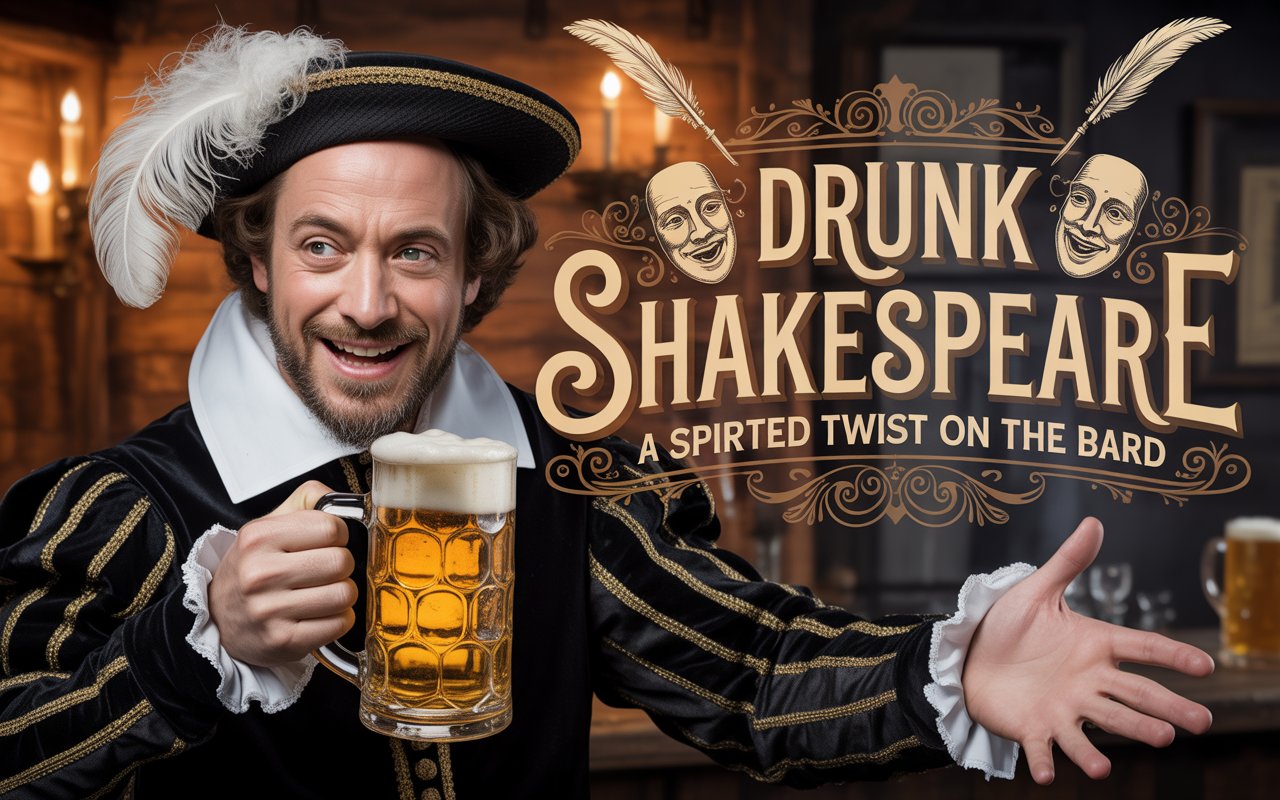
Since its debut in New York City, Drunk Shakespeare has toured extensively, captivating audiences worldwide. From Los Angeles to London, the concept has resonated with theatergoers of all ages. Its success lies in its accessibility—no prior knowledge of Shakespeare is required to enjoy the show. This global appeal reflects a broader trend: people want entertainment that’s both sophisticated and fun.
Tips for First-Time Attendees
If you’re planning to see Drunk Shakespeare, here are some handy tips:
-
Arrive Early: Shows are popular, and seats fill up fast.
-
Engage, Don’t Interrupt: Audience participation is encouraged, but don’t derail the performance.
-
Keep an Open Mind: Expect the unexpected—humor comes from spontaneity.
-
Appreciate the Skill: Even drunken antics require serious acting talent.
-
Bring Friends: Shared laughter makes the experience even better.
Think of it like a rollercoaster—you don’t know exactly what’s coming, but the ride is exhilarating.
Why Drunk Shakespeare Matters
Beyond laughter, Drunk Shakespeare is significant for a few reasons:
-
Modernizing Shakespeare: It proves that classic literature can evolve and stay relevant.
-
Breaking Theater Barriers: The show removes the intimidation factor that often surrounds live theater.
-
Promoting Creativity: Actors and audiences alike are reminded of the joy of improvisation.
-
Celebrating Humor in Literature: It highlights that even serious works can embrace playfulness.
In short, it’s a celebration of art, fun, and human imperfection.
The Future of Drunk Shakespeare
The concept of Drunk Shakespeare shows no signs of slowing down. With ongoing tours, new plays, and creative adaptations, it continues to attract diverse audiences. Some venues are experimenting with themed nights, incorporating live music, or offering pre-show drinks to make the experience even more immersive. The key to its longevity? Keeping Shakespeare alive in a format that’s both entertaining and unexpected.
Conclusion
Drunk Shakespeare is more than just a quirky night out—it’s a testament to creativity, humor, and the enduring relevance of Shakespeare’s works. By blending chaos with classical art, the show captures the joy of theater in a way that’s fresh, lively, and delightfully unpredictable. Whether you’re a Shakespeare fan or a comedy enthusiast, it offers a unique opportunity to experience the Bard like never before. So next time you see a poster for Drunk Shakespeare, consider giving it a try—you might just laugh harder than you ever have in a theater.
FAQs
1. Is Drunk Shakespeare appropriate for all audiences?
Most shows are designed for adults due to alcohol consumption and mature content. It’s best suited for ages 18+.
2. How much alcohol does the actor drink?
Typically, the actor consumes a safe, pre-measured amount under strict supervision to ensure safety while performing.
3. Can audience members participate?
Yes! Audience engagement is encouraged, though it’s meant to enhance the experience, not disrupt it.
4. Do the actors improvise a lot?
Absolutely. While the core script is followed, improvisation is a major part of the show’s charm.
5. Is it still educational?
Yes. Despite the comedy, viewers gain insight into Shakespeare’s language, characters, and plots.
Leave a Reply