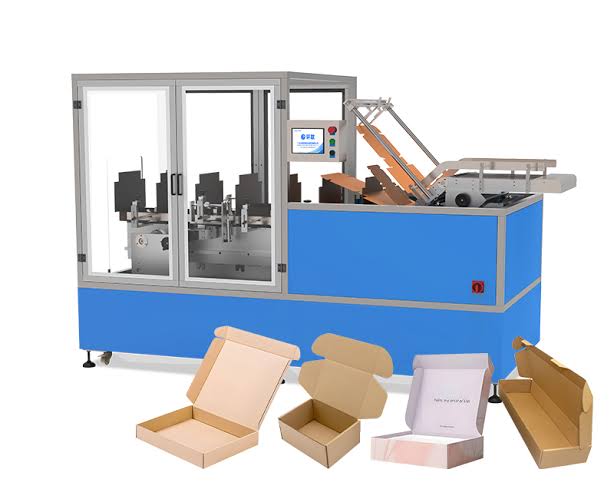
Investing in a carton box packing machine is rarely as simple as picking the fastest model on a spec sheet. The right choice depends on what you’re packaging, how fast you need to move, and how much flexibility your production line actually needs — get any of those wrong, and even a well-built machine ends up underperforming for your specific operation. Here’s how to think through the decision properly.
Start With the Product, Not the Machine
Before comparing brands or speeds, it helps to understand what kind of product you’re actually packing, since this narrows the field far more than any spec sheet will.
Granular or loose-fill products — like detergent powders or small individual pieces — tend to suit vertical carton packing machines, which can rely on gravity to help load product directly into the carton.
Stable, structured products — bottles, boxed food items, or anything with a firm base — often work better with horizontal machines, which load from the side and support continuous, high-speed operation.
Pharmaceutical and cosmetic items — capsules, blisters, vials, and sachets — usually need machines built around tighter tolerances and gentler handling, given the value and fragility of the product.
Starting with the product characteristics first, rather than the machine’s marketed speed, saves a lot of wasted evaluation time on models that were never going to fit your line.
Key Factors to Weigh Before Buying
Budget vs. Long-Term Return
The upfront cost of a carton box packing machine depends heavily on its automation level, safety features, and production capacity. It’s worth judging that cost against the labor savings and consistency it will deliver over time, rather than treating it as a standalone expense — a slightly pricier machine that reduces errors and downtime often pays for itself faster than a cheaper one that needs constant adjustment.
Required Packaging Speed
Line speed requirements differ enormously depending on whether the machine will run inline with the rest of your production or operate as a standalone station. It’s also worth sizing the decision around where your production is headed over the next couple of years, not just current volume, since outgrowing a machine within months is a common and costly mistake.
Your Team’s Technical Capability
A highly automated, feature-rich machine isn’t necessarily the right choice if your operators don’t have the technical background to run it confidently. Machines with a simpler, more intuitive control interface are often the better fit for teams without dedicated technical staff, reducing both training time and the risk of operator error.
Supplier Reliability
Choosing a supplier matters just as much as choosing a machine. Look for a track record with similar products to yours, responsiveness on lead times and part availability, and a genuine after-sales support structure — since a machine that breaks down with no accessible support quickly becomes a bigger cost than the one you were trying to avoid.
Matching Machines to Industries
Carton box packing machines show up across a wide range of sectors, each with slightly different priorities:
Food and beverage producers need machines that meet strict sanitary and presentation standards, commonly used for packaging baked goods, cereals, confectionery, and bottled drinks.
Pharmaceutical and cosmetic manufacturers prioritize precision and gentle handling for capsules, vials, and delicate packaging formats.
Consumer goods companies use carton machines for everyday items like soap, toothpaste, and paper products, where speed and consistency matter more than delicate handling.
Electronics and hardware businesses often lean on vertical machines for smaller components like chargers, sockets, and fittings.
E-commerce operations typically prioritize sturdy, tamper-evident sealing to protect goods through shipping and handling.
Recognizing which category your business falls into helps narrow down not just the machine type, but the features worth prioritizing in a quote.
Carton Design: A Decision That Happens Before the Machine
The type of carton you plan to use also shapes which machine will work best. Folding cartons suit everyday consumer goods, rigid cartons are typically reserved for higher-end products, and slotted or full-overlap cartons offer different strength and stacking characteristics depending on shipping and shelf requirements. Deciding on carton style early — rather than after a machine is already purchased — avoids compatibility headaches down the line.
Questions Worth Asking Any Supplier
- Can the machine be tested with our actual product before we commit to an order?
- What’s covered under warranty, and for how long?
- Can the machine be customized with features like coding, labeling, or missing-item detection?
- What’s the realistic delivery timeline, and what support is available during installation?
- What ongoing maintenance does the machine require, and how accessible are replacement parts?
Suppliers with genuine manufacturing experience should be able to answer these clearly and specifically, rather than deflecting to generic marketing claims.
Final Thoughts
Choosing a carton box packing machine comes down to matching the equipment to your product, your production goals, and your team’s capabilities — not simply picking the model with the most impressive top speed. A machine chosen with the right product fit, realistic growth planning, and a supplier that stands behind its equipment after the sale will deliver far more consistent value than one selected on price alone.
Leave a Reply