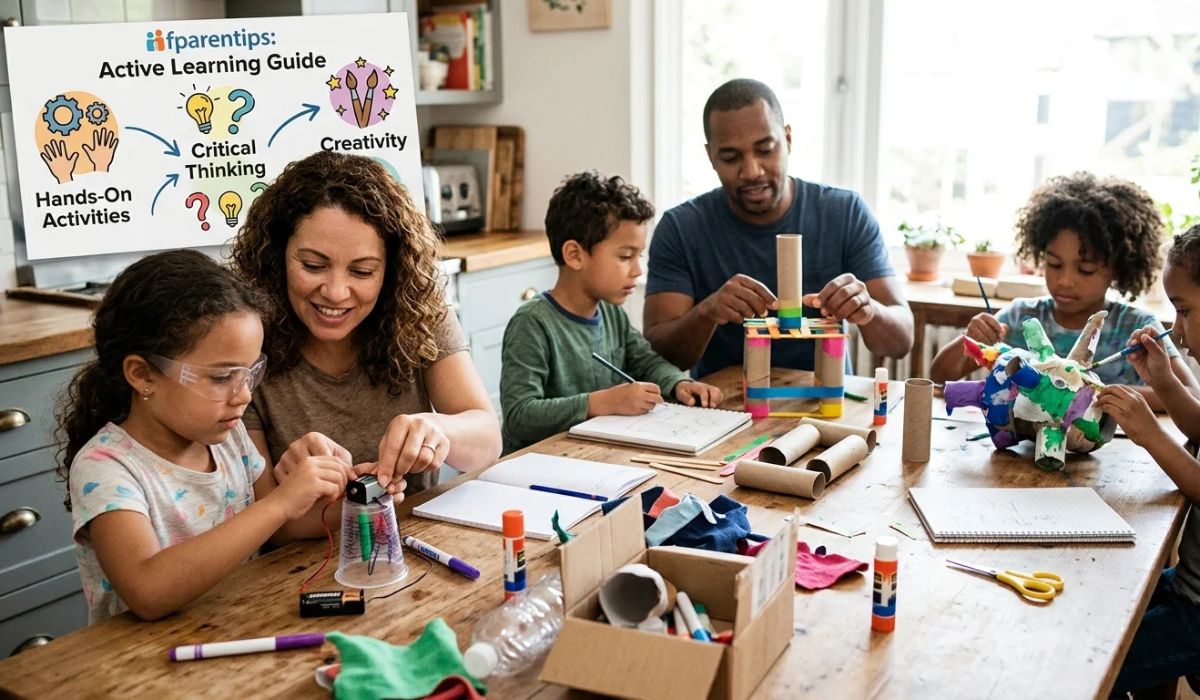
Learning is no longer just about memorizing facts from textbooks. Today, children thrive when they actively participate in the learning process, ask questions, solve problems, and connect ideas to real-life experiences. This approach, often called active learning, helps children develop skills that go far beyond academics.
As parents, you play a powerful role in shaping how your child learns. The good news is that you don’t need to be a teacher or education expert to make a meaningful difference. Small daily actions can create an environment where curiosity flourishes and learning becomes enjoyable.
Think of a child’s mind as a garden. Simply pouring information onto it is like watering plants without sunlight. Active participation, exploration, and encouragement provide the sunlight needed for growth. When children engage with ideas instead of passively receiving them, learning becomes deeper and more meaningful.
This guide explores practical strategies, benefits, and proven approaches that families can use to support educational growth through active engagement.
What Is Active Learning and Why Does It Matter?
Active learning is an educational approach where children participate directly in the learning process rather than simply listening or reading. Instead of being passive observers, they become active explorers.
This method encourages students to:
- Ask questions
- Investigate solutions
- Discuss ideas
- Practice skills
- Reflect on experiences
- Apply knowledge in real situations
Research consistently shows that children remember information better when they interact with it. Whether solving puzzles, conducting experiments, or discussing stories, active participation strengthens understanding and retention.
Parents who understand this concept can create countless opportunities for meaningful learning at home.
The Science Behind Effective Learning
How the Brain Learns Best
The human brain forms stronger neural connections when information is actively processed. Simply hearing a fact may lead to temporary understanding, but applying that fact creates lasting memory.
For example, a child reading about plants may learn basic concepts. However, planting seeds, watering them, and observing growth transforms that information into real knowledge.
The Role of Engagement
Engagement acts as fuel for learning. When children are interested and involved, their attention improves, motivation increases, and learning outcomes become stronger.
Activities that involve discussion, creativity, and problem-solving often produce better results than passive instruction alone.
Creating a Learning-Friendly Home Environment

A supportive environment can significantly influence a child’s willingness to learn.
Design a Dedicated Learning Space
Children benefit from having a comfortable area for reading, studying, and creative activities. This space doesn’t need to be large or expensive.
Include:
- Good lighting
- Minimal distractions
- Books and educational materials
- Writing supplies
- Comfortable seating
Encourage Exploration
Allow children to experiment, build, create, and discover. Curiosity often leads to valuable learning experiences.
Simple household activities can become educational opportunities when children are encouraged to ask questions and seek answers.
Encouraging Curiosity Every Day
Curiosity is the foundation of lifelong learning. Children naturally ask questions, and parents can nurture this instinct.
Welcome Questions
Instead of providing immediate answers, encourage children to think.
Try asking:
- “What do you think?”
- “Why do you believe that?”
- “How could we find out?”
These responses promote critical thinking and independent problem-solving.
Explore Together
Learning doesn’t have to be a solo activity. Exploring topics together demonstrates that education is an ongoing journey for everyone.
Whether researching animals, space, history, or technology, shared discovery strengthens both knowledge and family connections.
Making Reading an Interactive Experience
Reading remains one of the most effective learning tools available.
Ask Thought-Provoking Questions
While reading stories, ask questions such as:
- Why did the character make that choice?
- What might happen next?
- How would you solve the problem?
These discussions improve comprehension and analytical thinking.
Connect Stories to Real Life
Help children relate lessons from books to everyday experiences. This strengthens understanding and makes reading more meaningful.
Interactive reading transforms books from simple entertainment into powerful educational resources.
Learning Through Play and Creativity
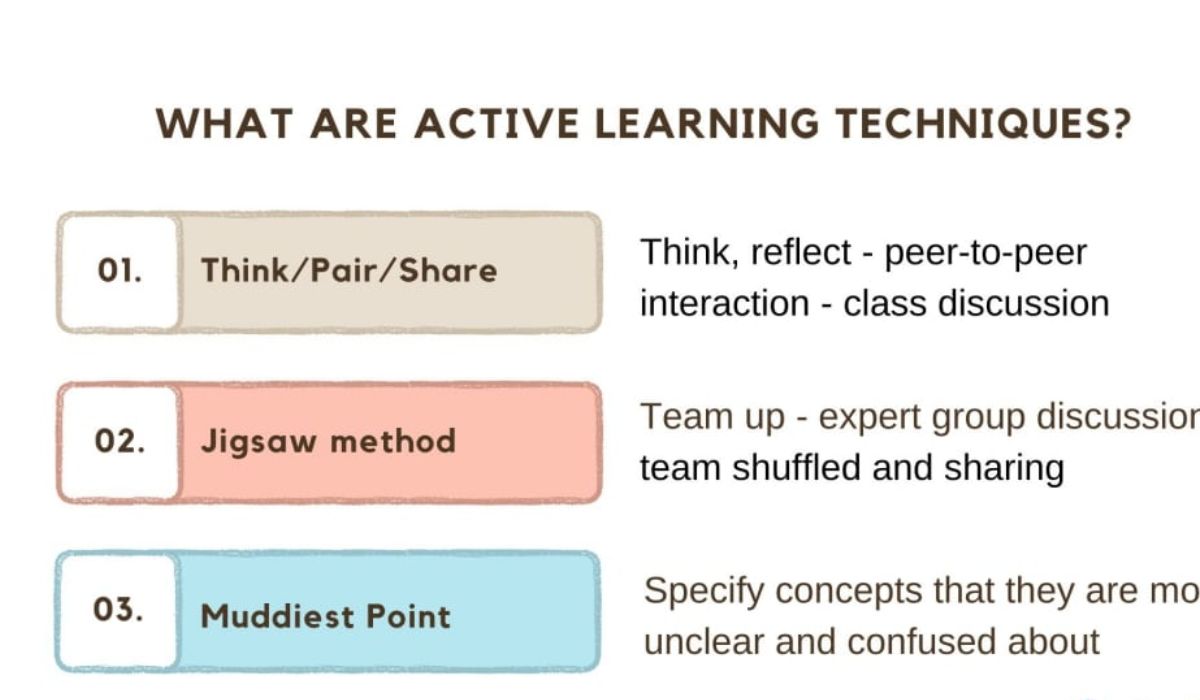
Children often learn best when they don’t realize they’re learning.
Educational Games
Games encourage:
- Strategic thinking
- Decision-making
- Memory development
- Communication skills
Board games, puzzles, and interactive activities offer valuable learning experiences while keeping children engaged.
Creative Expression
Drawing, storytelling, music, and crafts stimulate imagination and cognitive development.
Creative activities allow children to experiment with ideas, express emotions, and develop confidence in their abilities.
Building Critical Thinking Skills
Critical thinking enables children to evaluate information, make decisions, and solve problems effectively.
Encourage Analysis
When discussing topics, ask children to explain their reasoning.
Questions like:
- What evidence supports your idea?
- Are there other possibilities?
- What could happen if we tried a different approach?
help develop deeper thinking.
Promote Problem-Solving
Instead of immediately solving challenges for children, guide them toward finding solutions independently.
This builds resilience, confidence, and decision-making abilities.
Using Everyday Activities as Learning Opportunities
Education doesn’t only happen in classrooms.
Cooking Together
Cooking teaches:
- Mathematics
- Measurement
- Following instructions
- Planning
- Science concepts
Simple recipes can become engaging lessons.
Shopping and Budgeting
Trips to the store provide opportunities to practice:
- Addition
- Subtraction
- Comparison
- Financial literacy
Children learn valuable life skills while participating in real-world activities.
Travel and Exploration
Visits to parks, museums, historical sites, and community events expose children to new ideas and experiences.
These activities broaden perspectives and stimulate curiosity.
Supporting Different Learning Styles
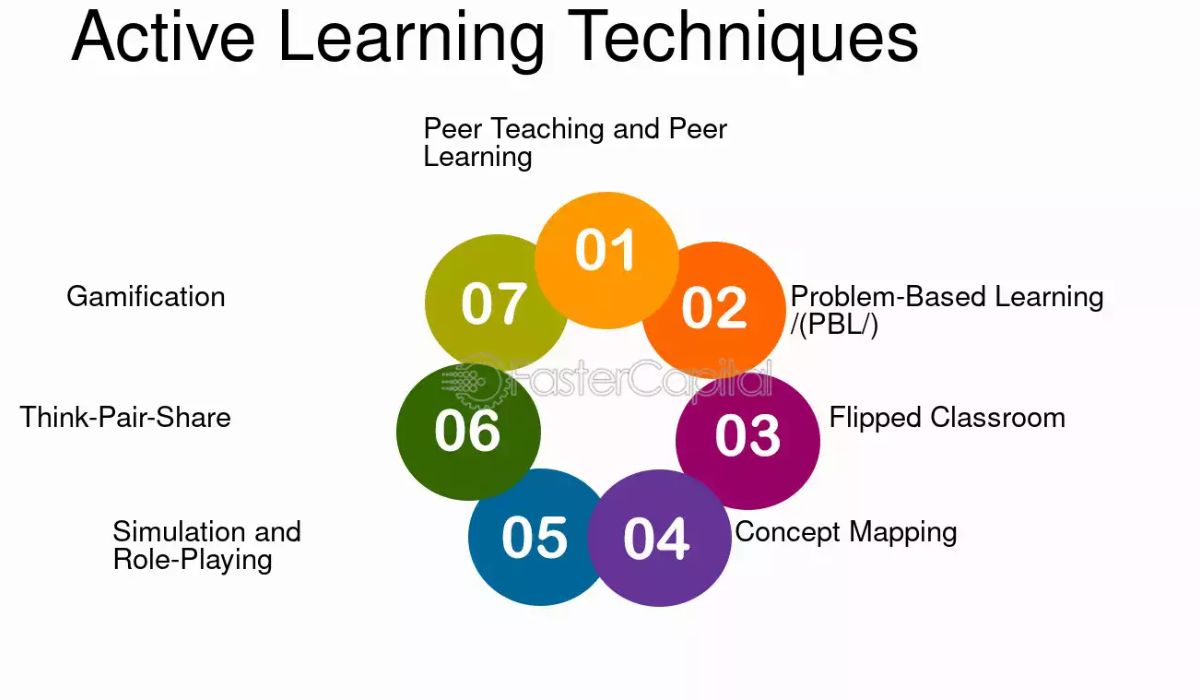
Every child learns differently.
Visual Learners
These children often benefit from:
- Charts
- Diagrams
- Videos
- Illustrations
Visual aids help them understand complex concepts more easily.
Auditory Learners
They learn effectively through:
- Discussions
- Storytelling
- Listening activities
- Verbal explanations
Kinesthetic Learners
Hands-on experiences are particularly valuable for children who learn through movement and action.
Activities involving building, experimenting, and physical participation often enhance understanding.
Recognizing your child’s preferred learning style can improve educational outcomes.
The Importance of Positive Reinforcement
Children are more likely to engage in learning when they feel supported and encouraged.
Praise Effort, Not Just Results
Focus on persistence, improvement, and dedication.
For example:
- “You worked really hard on that project.”
- “I like how you kept trying different solutions.”
This mindset encourages growth and resilience.
Celebrate Progress
Even small achievements deserve recognition. Celebrating milestones motivates children to continue learning and improving.
A positive atmosphere builds confidence and reduces fear of failure.
Managing Technology for Meaningful Learning
Technology can be both beneficial and distracting.
Choose Educational Resources
Many digital tools support learning through:
- Interactive lessons
- Educational videos
- Virtual experiments
- Language practice
- Skill-building activities
Select resources that encourage participation rather than passive consumption.
Balance Screen Time
Technology should complement active experiences, not replace them.
Encourage a healthy balance between digital learning, physical activity, reading, and social interaction.
Balanced technology use supports healthy development and stronger learning habits.
Helping Children Develop Independent Learning Habits
One of the greatest gifts parents can provide is the ability to learn independently.
Teach Goal Setting
Help children create realistic learning goals.
Examples include:
- Reading a certain number of books
- Learning new vocabulary words
- Completing a project
Goals provide direction and motivation.
Encourage Reflection
Ask children to think about:
- What they learned
- What challenges they faced
- How they improved
- What they want to learn next
Reflection strengthens self-awareness and continuous improvement.
Strengthening Parent-Child Learning Partnerships
Parents and children achieve more when they learn together.
Be a Learning Role Model
Children observe adult behavior closely. Demonstrating curiosity, reading regularly, and pursuing new knowledge sends a powerful message.
Create Meaningful Conversations
Discuss current events, books, science discoveries, and everyday experiences.
These conversations develop communication skills and encourage thoughtful exploration.
A strong partnership creates a supportive environment where learning becomes a natural part of daily life.
Overcoming Common Learning Challenges
Every child encounters obstacles during their educational journey.
Address Frustration Constructively
When children struggle, remind them that challenges are part of learning.
Encourage persistence and problem-solving rather than focusing solely on outcomes.
Reduce Fear of Mistakes
Mistakes provide valuable learning opportunities. Help children understand that errors are stepping stones toward improvement.
A growth-oriented mindset fosters confidence and resilience.
Preparing Children for Lifelong Success
Academic achievement is important, but education extends far beyond grades.
Active learning helps children develop:
- Communication skills
- Adaptability
- Creativity
- Critical thinking
- Collaboration
- Self-confidence
These abilities remain valuable throughout life, regardless of career path or personal goals.
When parents encourage exploration, questioning, and independent thinking, they prepare children to navigate an ever-changing world successfully.
Conclusion
Active learning transforms education from a passive process into an exciting journey of discovery. By encouraging curiosity, supporting critical thinking, creating engaging experiences, and fostering independence, parents can help children develop a genuine love for learning.
The most effective learning moments often occur outside traditional classrooms—in conversations, everyday activities, creative projects, and shared experiences. When families embrace active participation, children gain not only knowledge but also the confidence and skills needed for lifelong success. Through patience, encouragement, and consistent involvement, parents can become powerful partners in their child’s educational growth.
FAQs
1. What is active learning in simple terms?
Active learning is a method where children actively participate in understanding and applying information through discussions, problem-solving, exploration, and hands-on activities instead of only listening or memorizing.
2. How can parents encourage active learning at home?
Parents can encourage active learning by asking open-ended questions, reading interactively, involving children in everyday tasks, supporting creative activities, and promoting curiosity through exploration.
3. Why is active learning important for children?
Active learning improves understanding, memory retention, critical thinking, problem-solving abilities, and confidence while making education more enjoyable and meaningful.
4. Can technology support active learning?
Yes. Educational apps, interactive platforms, virtual experiments, and digital learning tools can enhance engagement when used responsibly and balanced with offline activities.
5. How does active learning help children in the future?
Active learning develops essential life skills such as communication, adaptability, creativity, collaboration, and independent thinking, which contribute to long-term personal and professional success.
Leave a Reply