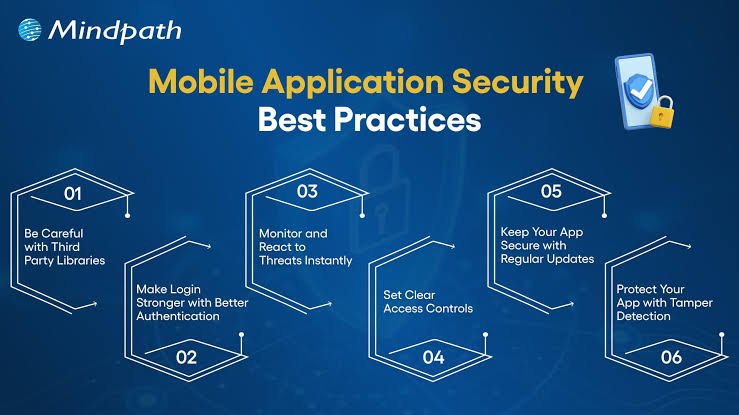
Mobile applications have become an integral part of daily life, supporting communication, banking, shopping, healthcare, entertainment, and business operations. As users increasingly rely on apps to manage personal and professional activities, these platforms also become valuable targets for cybercriminals seeking unauthorized access to sensitive information. Protecting user data and application functionality has therefore become a critical priority for organizations that develop and maintain mobile applications.
Implementing effective mobile app security measures helps organizations safeguard sensitive data, prevent unauthorized access, protect financial transactions, and maintain user trust. Secure application design, regular security assessments, encryption protocols, and continuous monitoring reduce vulnerabilities while ensuring that mobile applications operate safely in an increasingly connected digital environment.
Security Practices Supporting Safe Mobile Applications
Strong mobile application security combines secure development, encryption, authentication controls, vulnerability testing, and continuous monitoring to protect user data and maintain application reliability across diverse digital environments.
-
Protecting Sensitive User Data
Mobile applications frequently collect personal information such as names, contact details, payment information, location data, and login credentials. Without proper protection, this information may be vulnerable to interception or unauthorized access. Secure storage, encrypted data transmission, and strict access controls help prevent data breaches while safeguarding user privacy.
-
Preventing Unauthorized Access
Weak authentication mechanisms can expose mobile applications to account takeovers and unauthorized access attempts. Implementing strong password policies, multi-factor authentication, biometric verification, and session management controls reduces the likelihood of unauthorized entry while strengthening overall application security.
-
Securing Data Transmission
Data transmitted between mobile applications and servers may be intercepted if communication channels are not properly protected. Encryption protocols such as HTTPS and SSL/TLS ensure that sensitive information remains confidential during transmission. Secure communication practices help protect financial transactions, login credentials, and personal data from cyber threats.
-
Reducing Vulnerabilities in Application Code
Insecure coding practices can create vulnerabilities that attackers may exploit. Common issues include insecure APIs, improper data validation, weak encryption implementation, and insufficient input sanitization. Secure coding standards, code reviews, and regular vulnerability assessments help developers identify and address security weaknesses before deployment.
-
Defending Against Malware and Malicious Activities
Mobile devices are increasingly targeted by malware designed to steal data, disrupt application functionality, or compromise user accounts. Security measures such as runtime protection, application integrity checks, and malware detection mechanisms help defend applications against malicious activities while maintaining secure user experiences.
-
Ensuring Compliance with Security Regulations
Organizations handling sensitive data must comply with privacy regulations and industry standards related to data protection. Implementing robust mobile app security practices helps businesses meet compliance requirements while demonstrating their commitment to protecting user information and maintaining responsible digital operations.
Proactive Security Measures Strengthening User Trust
Users are more likely to trust and continue using applications that demonstrate a strong commitment to protecting their information. Transparent security practices, secure authentication processes, and reliable data protection measures contribute to positive user experiences while reducing the risk of security incidents.
Organizations investing in comprehensive mobile app security strategies benefit from improved risk management, stronger customer confidence, enhanced regulatory compliance, and greater protection against evolving cyber threats. Secure mobile applications support long-term business growth by creating safe digital environments for users and stakeholders alike.
Advanced Security Strategies Strengthening Mobile Applications
Modern security strategies combine continuous monitoring, proactive testing, secure architecture, and intelligent threat detection to protect mobile applications while supporting long-term business resilience and user confidence.
-
Continuous Security Testing Improves Protection
Mobile applications require ongoing security testing throughout their lifecycle to identify vulnerabilities before they can be exploited. Regular penetration testing, vulnerability assessments, source code reviews, and security audits help developers detect weaknesses early. Continuous testing also ensures that application updates, new features, and third-party integrations maintain strong security without introducing additional risks.
-
API Security Strengthens Application Integrity
Most mobile applications rely on APIs to exchange information between servers, cloud services, and third-party platforms. Weak API security can expose sensitive data and application functionality to attackers. Implementing secure authentication and authorization controls, encrypted communications, and proper API validation helps protect backend systems while ensuring reliable, secure application performance.
-
Real-Time Threat Monitoring Enhances Security
Cyber threats continue evolving, making real-time monitoring an essential part of application security. Continuous monitoring enables organizations to detect suspicious activities, unauthorized access attempts, abnormal user behavior, and emerging threats before they cause significant damage. Early detection supports faster incident response while minimizing operational disruptions and protecting sensitive information.
-
Secure Development Supports Long-Term Reliability
Security should be integrated throughout the software development lifecycle rather than added after deployment. Organizations adopting secure development practices reduce vulnerabilities across the earliest design stages, coding, testing, deployment, and maintenance. This proactive approach improves software quality while reducing long-term security risks and remediation costs.
-
Employee Awareness Strengthens Cybersecurity
Technology alone cannot eliminate security risks. Developers, administrators, and business users all contribute to application security through responsible practices. Regular cybersecurity training helps teams recognize phishing attempts, use secure authentication methods, manage passwords, and understand data protection responsibilities, reducing human-related security incidents across the organization.
-
Future-Ready Security Supports Digital Growth
As mobile applications continue to integrate artificial intelligence, cloud computing, the Internet of Things (IoT), and digital payment technologies, security strategies must evolve accordingly. Organizations that continuously strengthen their security frameworks remain better prepared to address emerging threats while supporting innovation, customer trust, and sustainable digital transformation.
Final Thoughts
As digital services continue expanding, securing mobile applications has become essential for protecting sensitive information, maintaining business continuity, and preserving user trust. Organizations that prioritize proactive security practices, continuous monitoring, secure development, and regular testing can significantly reduce cyber risks while delivering safe and dependable digital experiences. Investing in robust mobile app security supports both operational resilience and long-term business success.
Businesses seeking comprehensive application protection require experienced cybersecurity partners that combine advanced technologies with proactive security expertise. Doverunner delivers modern mobile application security solutions designed to identify vulnerabilities, strengthen application resilience, and protect digital assets throughout the software lifecycle. By helping organizations implement secure development practices, continuous security testing, and intelligent threat monitoring, they enable businesses to build trusted mobile applications that remain secure in an increasingly complex digital landscape.
Leave a Reply