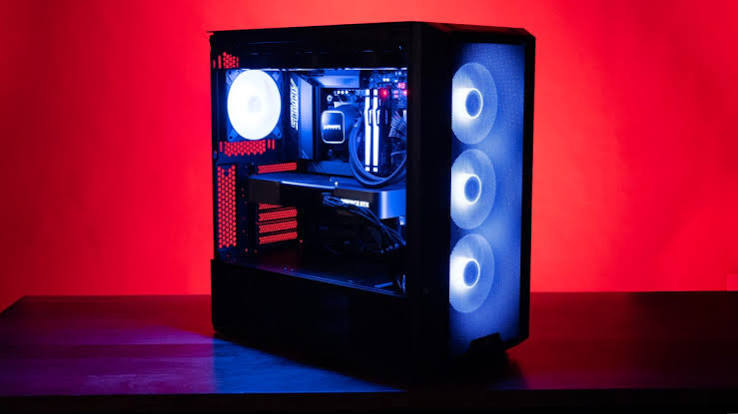
For years, PC gaming culture had an unwritten rule: real enthusiasts build their own. Buying a prebuilt desktop was treated as a confession, something you did quietly and didn’t mention on the forums. That stigma is collapsing, and the reasons say a lot about how the hardware market has changed.
The Math Stopped Favoring DIY
The original case for self-building was simple: parts bought separately cost less than an assembled machine. That gap has narrowed dramatically, and in some component categories it has inverted. System integrators buy graphics cards, processors, and memory in bulk at prices individual shoppers can’t touch. During GPU shortages and price spikes, a phenomenon PC gamers know painfully well, prebuilt desktop PCs containing a sought-after graphics card have repeatedly sold for less than the card alone on the open market.
Once the price advantage eroded, the remaining arguments for DIY became about enjoyment and customization rather than savings. Those are perfectly good reasons. They’re just no longer universal ones.
What You’re Actually Buying Beyond the Parts
A modern prebuilt isn’t merely assembled components. The value hides in things a parts list never shows.
One warranty, one phone number. When a self-built machine misbehaves, the builder becomes tech support, diagnosing whether the fault lies with the motherboard, RAM, power supply, or GPU, then arguing with four different manufacturers about RMAs. A prebuilt carries a single system-level warranty. Something breaks, one company owns the problem.
Professional assembly and testing. Reputable builders stress-test systems before shipping, catching the doa components and unstable configurations that home builders discover the hard way, usually at midnight.
Compatibility handled. Modern configurators only offer parts that work together, quietly eliminating the classic first-build disasters: coolers that don’t clear the RAM, power supplies that can’t feed the GPU, cases too small for the motherboard.
Financing and fast shipping. Established builders offer installment plans and deliver complete, working systems within days, while a self-build waits on five retailers and the slowest package.
The Desktop Itself Is Having a Moment
Underneath the prebuilt question sits a broader one: why a desktop at all in a laptop world? The answer hasn’t changed, but it’s worth restating. A desktop’s larger chassis allows bigger coolers and more powerful processors and graphics cards, so it simply outperforms a laptop at the same price. It’s ergonomically better for long work or gaming sessions. And critically, it’s upgradeable: RAM, storage, GPU, even the CPU can be replaced over the years, stretching one purchase across a decade in a way no sealed laptop can match. A prebuilt desktop keeps all of that upgrade potential. Buying assembled today doesn’t stop you from swapping the graphics card in three years.
The Honest Trade-Offs
Fairness demands the other side. Building yourself still teaches you your machine inside and out, which pays off in troubleshooting confidence forever. Budget prebuilts from careless vendors sometimes cut corners on unglamorous parts like power supplies, so buyer diligence matters: look for named-brand components, real reviews, and clear warranty terms. And there’s genuine satisfaction in a first boot on a machine you built, a feeling no courier can deliver.
The Bottom Line
The prebuilt-versus-DIY question has quietly shifted from “which is smarter” to “which suits you.” If the process itself excites you, build. If what you actually want is the gaming or the work on the other side of the power button, buying a professionally built desktop is no longer settling. It’s just skipping to the good part.
Leave a Reply