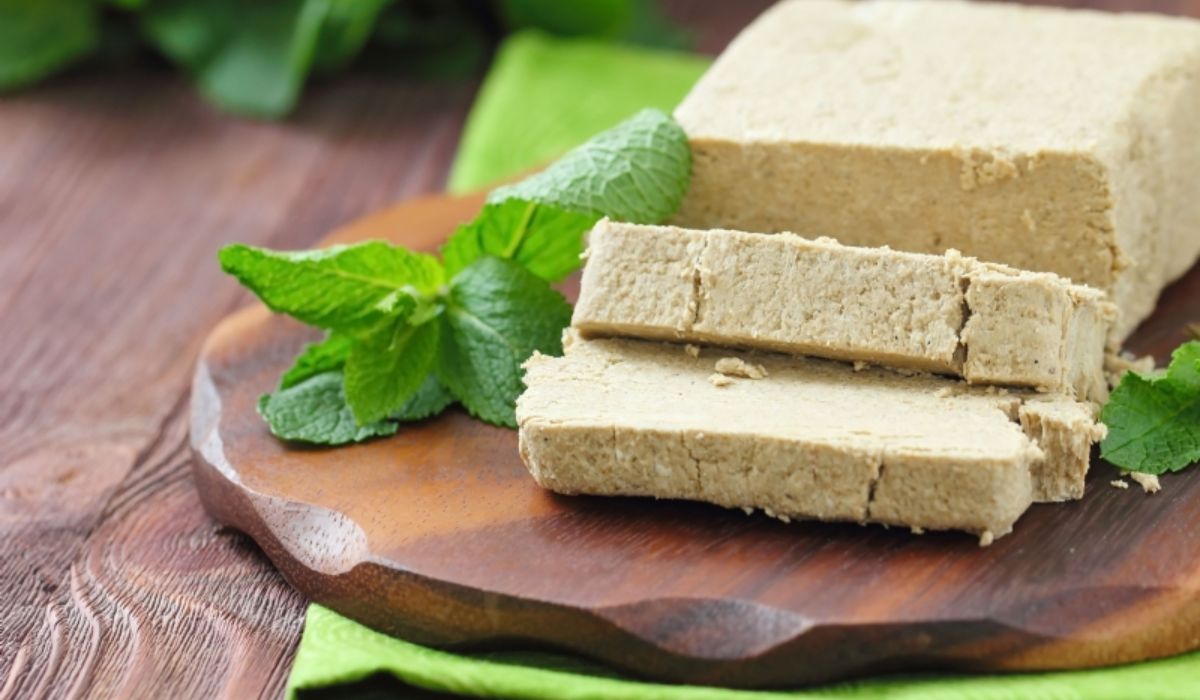
Tahini is one of those foods that quietly sits in the background of many beloved dishes, yet its story is remarkably rich and fascinating. Whether you’ve enjoyed it in hummus, drizzled over falafel, mixed into sauces, or spread on bread, you may have wondered where this creamy sesame paste actually comes from.
The history of tahini stretches back thousands of years, crossing empires, trade routes, and cultures. Like a traveler carrying stories from one generation to the next, this humble ingredient has journeyed through ancient civilizations and become a staple in kitchens around the world. Understanding its origins helps us appreciate not only the food itself but also the people and traditions that shaped it.
In this article, we’ll explore the roots of tahini, its cultural significance, production methods, nutritional qualities, and its remarkable rise to global popularity.
What Is Tahini?
Before exploring its history, it’s important to understand exactly what tahini is.
Tahini is a smooth paste made from ground sesame seeds. The seeds are usually hulled, lightly roasted, and then crushed into a creamy consistency. The result is a rich, nutty ingredient that can be used in both savory and sweet dishes.
Basic Characteristics of Tahini
- Made primarily from sesame seeds
- Smooth and creamy texture
- Mildly nutty flavor
- Common in Middle Eastern and Mediterranean cuisines
- Used in dips, sauces, desserts, and spreads
Despite its simplicity, tahini serves as a foundation for countless traditional recipes.
The Ancient Origins of Sesame Cultivation
To understand the history of tahini, we must first look at sesame itself.
Sesame is one of the oldest cultivated oilseed crops known to humanity. Archaeological evidence suggests that sesame farming began thousands of years ago in regions of South Asia and parts of Africa. Ancient societies valued sesame because it could thrive in hot climates and produce oil-rich seeds.
Why Sesame Was So Valuable
Ancient civilizations prized sesame for several reasons:
- Long shelf life
- High oil content
- Adaptability to harsh environments
- Nutritional benefits
- Versatile culinary uses
Because of these advantages, sesame became an important agricultural product and trade commodity across ancient kingdoms.
Early References to Sesame in Ancient Civilizations
The story of tahini cannot be separated from the broader history of sesame.
Historical records indicate that sesame was used by several ancient cultures, including those in Mesopotamia, Egypt, Persia, and the Indian subcontinent. Ancient texts mention sesame oil and sesame-based preparations used for cooking, medicine, and religious practices.
Mesopotamian Influence
Many historians believe that sesame played an important role in Mesopotamian society. The fertile lands between the Tigris and Euphrates rivers supported agricultural innovation, and sesame became one of the valuable crops traded throughout the region.
Egyptian Use of Sesame
Ancient Egyptians incorporated sesame into bread and medicinal preparations. Evidence suggests that sesame was recognized for its nutritional value and versatility long before the modern era.
These early uses laid the foundation for the development of sesame-based foods, including tahini.
Where Did Tahini First Appear?
Pinpointing the exact birthplace of tahini is challenging because food traditions often evolve across neighboring regions.
Most culinary historians associate the emergence of tahini with the Middle East, where sesame cultivation and processing techniques were highly developed. Over time, communities discovered that grinding sesame seeds created a flavorful paste that could be stored and used in various dishes.
The Middle Eastern Connection
Countries throughout the Levant and surrounding regions have long histories of preparing sesame paste. Modern nations such as:
- Lebanon
- Syria
- Palestine
- Jordan
- Israel
- Turkey
all maintain strong culinary traditions involving tahini.
Because cultural exchange was common throughout these regions, tahini evolved as a shared culinary heritage rather than belonging exclusively to a single location.
The Meaning Behind the Word “Tahini”
Language often provides clues about food history.
The word “tahini” comes from the Arabic term “ṭaḥīna,” which roughly translates to “that which is ground” or “ground substance.” This name accurately reflects the preparation process, which involves grinding sesame seeds into a paste.
Linguistic Journey
As trade and migration spread Middle Eastern cuisine, variations of the word appeared in multiple languages. Although pronunciation differs slightly from place to place, the basic concept remains the same.
The name itself serves as a reminder that simple preparation methods often create some of the world’s most enduring foods.
Tahini and the Growth of Trade Routes
One of the reasons tahini became so widespread is the extensive network of ancient trade routes.
Merchants transported sesame seeds across continents, connecting Asia, Africa, and Europe. As ingredients traveled, culinary techniques traveled with them.
The Role of Commerce
Trade networks helped spread:
- Sesame cultivation knowledge
- Grinding techniques
- Cooking traditions
- Regional recipes
The movement of goods allowed tahini to become integrated into numerous local cuisines.
A Culinary Bridge
Think of tahini as a bridge connecting civilizations. Just as roads link cities, food traditions link cultures. Tahini became a shared ingredient that transcended political boundaries and united diverse communities through cooking.
Traditional Methods of Making Tahini
Long before modern food processors existed, producing tahini required skill and patience.
Traditional preparation involved carefully cleaning sesame seeds, removing hulls, roasting the seeds, and grinding them using stone mills.
The Traditional Process
Cleaning
Seeds were sorted and washed to remove impurities.
Soaking and Hulling
Many producers soaked the seeds to loosen their outer coverings.
Roasting
Light roasting enhanced flavor and aroma.
Grinding
Large stone grinders transformed the seeds into a smooth paste.
Preserving Quality
Families often passed production techniques from generation to generation, ensuring consistency and preserving regional culinary traditions.
Tahini’s Role in Middle Eastern Cuisine
Tahini eventually became an essential ingredient in many iconic dishes.
Its creamy texture and rich flavor make it exceptionally versatile.
Popular Traditional Uses
Hummus
Tahini contributes creaminess and depth to hummus.
Falafel Sauces
Many falafel dishes feature tahini-based dressings.
Baba Ghanoush
Roasted eggplant and tahini create a beloved dip.
Salad Dressings
Tahini is commonly mixed with lemon juice, garlic, and spices.
A Kitchen Staple
In many households throughout the Middle East, tahini is considered as essential as butter or cooking oil in other parts of the world.
Tahini in Mediterranean and Global Cuisine
Over time, tahini expanded far beyond its traditional geographic roots.
Migration, international trade, and growing interest in global cuisine introduced tahini to new audiences.
Adoption Across Regions
Today, tahini is widely used in:
- Europe
- North America
- Australia
- Latin America
- Asia
Chefs and home cooks alike appreciate its versatility.
Modern Culinary Innovations
Contemporary recipes include:
- Tahini smoothies
- Grain bowls
- Vegan sauces
- Ice cream toppings
- Cookies
- Cakes
- Energy bars
The ingredient’s adaptability has helped it thrive in modern food culture.
Nutritional Value of Tahini
Beyond its historical significance, tahini is valued for its nutritional profile.
Sesame seeds contain numerous nutrients that contribute to overall wellness.
Key Nutrients
Tahini contains:
- Healthy fats
- Plant protein
- Fiber
- Calcium
- Iron
- Magnesium
- Zinc
- B vitamins
Why People Love It
Many people incorporate tahini into balanced diets because it provides flavor and nutrition simultaneously.
Its rich texture also makes it a popular alternative ingredient in plant-based cooking.
Cultural Importance and Symbolism
Food often carries meaning beyond nourishment.
Tahini reflects centuries of cultural exchange, hospitality, and family tradition. In many communities, recipes involving sesame paste are closely associated with celebrations, gatherings, and shared meals.
Family Traditions
Many households maintain unique tahini recipes passed down through generations.
Regional Identity
Different communities prepare tahini in slightly different ways, creating local variations that reflect regional tastes and customs.
This diversity demonstrates how food evolves while preserving its historical roots.
Why Tahini Remains Popular Today
Few ancient foods remain as relevant today as tahini.
Its enduring appeal comes from a combination of flavor, versatility, and cultural significance.
Factors Behind Its Continued Success
Natural Ingredients
Consumers increasingly appreciate simple, minimally processed foods.
Plant-Based Appeal
Tahini fits well into vegetarian and vegan diets.
Versatility
It works in savory and sweet recipes alike.
Global Awareness
International cuisine has introduced tahini to new generations of food enthusiasts.
A Timeless Ingredient
Despite changing food trends, tahini continues to earn a place at dining tables worldwide.
The Future of Tahini
As global food culture becomes increasingly interconnected, tahini’s popularity is expected to continue growing.
Consumers are seeking authentic flavors, nutrient-rich ingredients, and culinary traditions with meaningful histories. Tahini checks all of these boxes.
Food manufacturers are introducing new products featuring sesame paste, while chefs continue finding creative ways to incorporate it into modern recipes.
The future of tahini appears as promising as its remarkable past.
Conclusion
The origin of tahini is deeply intertwined with the history of sesame cultivation, ancient trade networks, and the culinary traditions of the Middle East. While it is difficult to identify a single birthplace, the ingredient emerged from regions where sesame farming flourished and food innovation thrived. Over centuries, tahini evolved from a simple ground sesame paste into a globally recognized culinary staple.
Today, tahini represents far more than an ingredient. It symbolizes cultural exchange, tradition, and the enduring power of simple foods to connect people across generations and continents. Whether enjoyed in classic hummus or modern desserts, tahini continues to tell a story that began thousands of years ago and is still unfolding in kitchens around the world.
FAQs
1. What country invented tahini?
There is no definitive evidence that a single country invented tahini. Most historians associate its development with the Middle East, particularly regions where sesame cultivation was widespread.
2. How old is tahini?
Tahini’s roots can be traced back thousands of years through ancient sesame cultivation and processing traditions, making it one of the oldest sesame-based foods still widely consumed today.
3. Is tahini originally Middle Eastern?
Yes. Although sesame originated in broader regions of Asia and Africa, tahini is most strongly associated with Middle Eastern culinary traditions.
4. What is tahini made from?
Tahini is made from sesame seeds that are hulled, roasted or unroasted, and ground into a smooth paste.
5. Why is tahini important in traditional cuisine?
Tahini provides flavor, texture, and nutrition. It is also a key ingredient in many traditional dishes such as hummus, baba ghanoush, and various sauces and desserts.
Leave a Reply