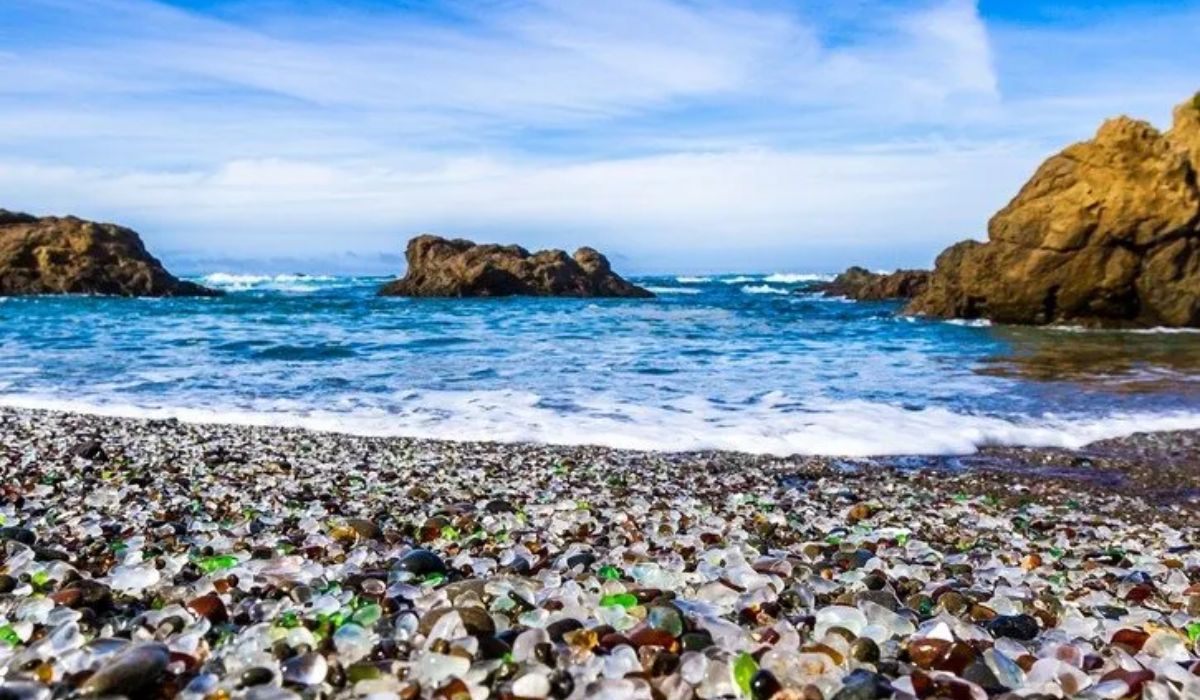
Imagine walking along a shoreline where the sand is replaced by thousands of smooth, colorful glass stones sparkling under the sunlight. It may sound like something from a fairy tale, but Glass Pebble Beach is a real destination that attracts travelers, photographers, and nature lovers from around the world.
What makes this beach so special? Unlike traditional beaches filled with shells and sand, this remarkable coastline is covered with polished glass pebbles shaped by decades of ocean waves. The result is a breathtaking landscape that combines history, environmental transformation, and natural beauty.
In this comprehensive guide, you’ll discover everything about Glass Pebble Beach, from its fascinating origins to practical travel tips and conservation efforts that help preserve this unique coastal wonder.
What Is Glass Pebble Beach?
Glass Pebble Beach is a shoreline famous for its abundance of smooth, colorful glass fragments that have been naturally transformed by the ocean over many years.
These glass pieces were once ordinary bottles, jars, and household items discarded decades ago. Over time, the sea acted like a giant polishing machine, tumbling the glass against rocks and sand until the sharp edges disappeared.
Today, visitors are greeted by a stunning mosaic of blue, green, amber, white, and even rare red glass pebbles scattered across the shore.
The beach serves as a remarkable example of how nature can reshape human-made materials into something unexpectedly beautiful.
The Fascinating History Behind the Colorful Shore
How a Dumping Ground Became a Tourist Attraction
The story of Glass Pebble Beach begins with an environmental problem rather than a natural wonder.
During the early and mid-20th century, coastal communities often used nearby shorelines as dumping sites for unwanted waste. Household garbage, glass containers, appliances, and other materials were discarded along the coast.
While metal objects rusted away and organic materials decomposed, glass proved much more durable. Instead of disappearing, it remained in the environment and became subject to the relentless movement of waves.
Nature’s Long-Term Transformation
For decades, ocean currents rolled the broken glass pieces back and forth across the shoreline.
This constant motion gradually:
- Smoothed sharp edges
- Rounded rough surfaces
- Created frosted textures
- Produced pebble-like shapes
The transformation was slow but remarkable. What was once pollution evolved into colorful coastal treasures admired by visitors worldwide.
How Sea Glass Pebbles Are Formed
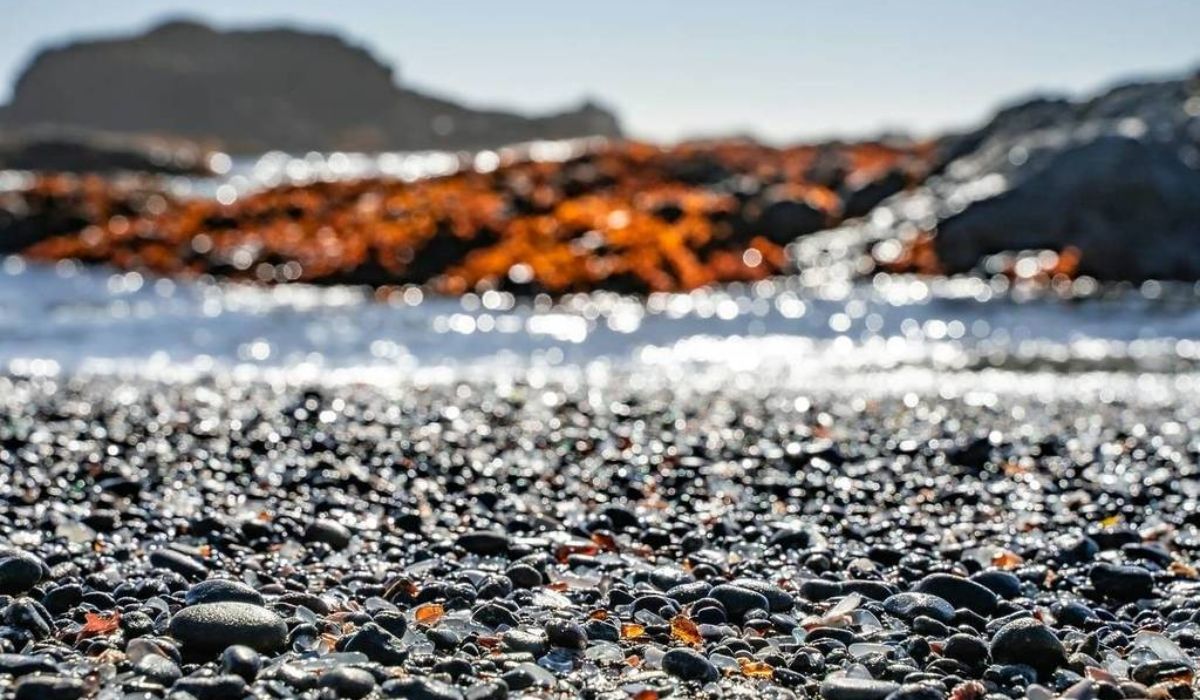
The creation of sea glass resembles the work of a skilled sculptor. Nature patiently reshapes each fragment through a combination of physical and chemical processes.
Wave Action
Ocean waves continuously push glass fragments against rocks, sand, and other pieces of glass.
This movement acts as natural abrasion, wearing down rough edges over time.
Saltwater Effects
Saltwater contributes to the distinctive frosted appearance seen on most sea glass.
Minerals and chemical reactions slowly alter the glass surface, creating a soft, matte finish.
Time
Perhaps the most important ingredient is patience.
A single piece of sea glass may require decades before achieving its smooth, polished appearance. Some experts estimate that many pieces found on glass beaches have spent 20 to 50 years or more in the ocean.
Why the Glass Pebbles Are Different Colors
One of the most captivating features of Glass Pebble Beach is its incredible variety of colors.
Each shade tells a story about the glass’s original purpose.
Green Glass
Often originated from beverage bottles and wine containers.
Brown or Amber Glass
Typically came from beer bottles, medicine containers, and industrial packaging.
Clear or White Glass
Usually derived from household jars, windows, and drinking glasses.
Blue Glass
Often originated from decorative bottles, medicinal containers, or specialty products.
Rare Colors
Red, orange, purple, and turquoise pieces are highly uncommon because fewer products were manufactured using these colors.
Finding one of these rare shades is like discovering a hidden gem along the shoreline.
The Unique Beauty of the Coastal Landscape
A Natural Rainbow Along the Shore
The visual appeal of Glass Pebble Beach is unlike that of traditional beaches.
Instead of endless stretches of sand, visitors encounter a vibrant mixture of polished stones reflecting sunlight from every angle.
After rainfall or during low tide, the colors become even more vivid, creating a dazzling display that attracts photographers and artists alike.
Changing Appearance Throughout the Day
The beach transforms with shifting light conditions.
Morning sunlight produces gentle pastel tones, while afternoon light intensifies the colors.
During sunset, the glass often glows with warm hues, creating a magical atmosphere that feels almost dreamlike.
Wildlife and Ecosystems Around Glass Pebble Beach
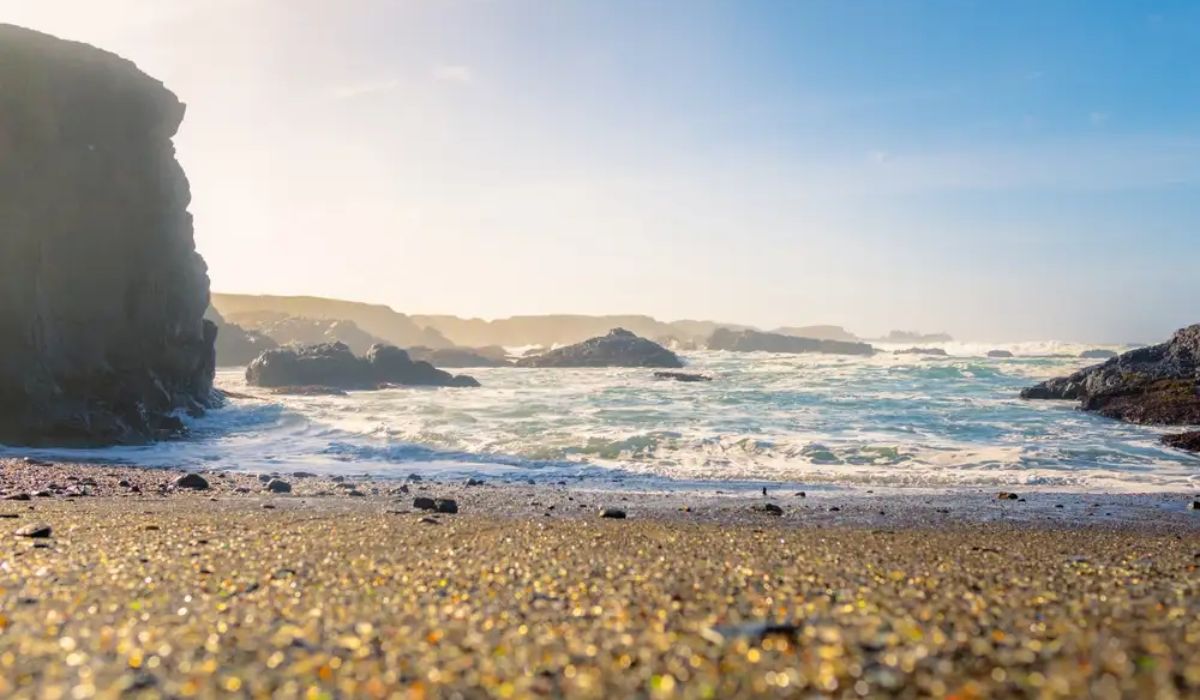
Although visitors often focus on the colorful shoreline, the surrounding ecosystem deserves equal attention.
Marine Life
Nearby waters may support:
- Tide pool organisms
- Small fish
- Sea stars
- Crabs
- Shellfish
These species contribute to a rich coastal environment that extends beyond the glass-covered shore.
Coastal Birds
Many bird species frequent the area, including:
- Seagulls
- Pelicans
- Sandpipers
- Cormorants
Birdwatchers often find Glass Pebble Beach just as rewarding as photographers.
Native Vegetation
Coastal plants help stabilize cliffs and protect habitats from erosion.
Their presence highlights the importance of balancing tourism with environmental preservation.
Why Visitors Are Drawn to Glass Pebble Beach
Photography Opportunities
The colorful glass creates endless possibilities for stunning photographs.
Close-up images reveal intricate textures, while wide-angle shots showcase the beach’s vibrant landscape.
Educational Value
The beach serves as an outdoor classroom where visitors can learn about:
- Environmental history
- Ocean processes
- Coastal geology
- Conservation efforts
Relaxation and Exploration
Many travelers enjoy simply walking along the shore, searching for unusual colors and appreciating the calming sounds of the ocean.
The experience combines discovery with tranquility, making every visit unique.
Conservation and Protection Efforts
The Challenge of Collecting Glass
As Glass Pebble Beach became more popular, visitors began taking glass pebbles home as souvenirs.
While removing a few pieces may seem harmless, millions of visitors over time can significantly reduce the beach’s glass supply.
Preservation Measures
Conservation organizations and local authorities encourage visitors to:
- Leave glass pebbles where they are found
- Respect posted regulations
- Avoid disturbing wildlife
- Stay on designated paths
Protecting the beach ensures future generations can enjoy the same colorful landscape.
Environmental Awareness
Glass Pebble Beach demonstrates both the consequences of human activity and nature’s remarkable ability to adapt.
Its story encourages broader discussions about waste management, pollution prevention, and environmental responsibility.
Best Time to Visit Glass Pebble Beach
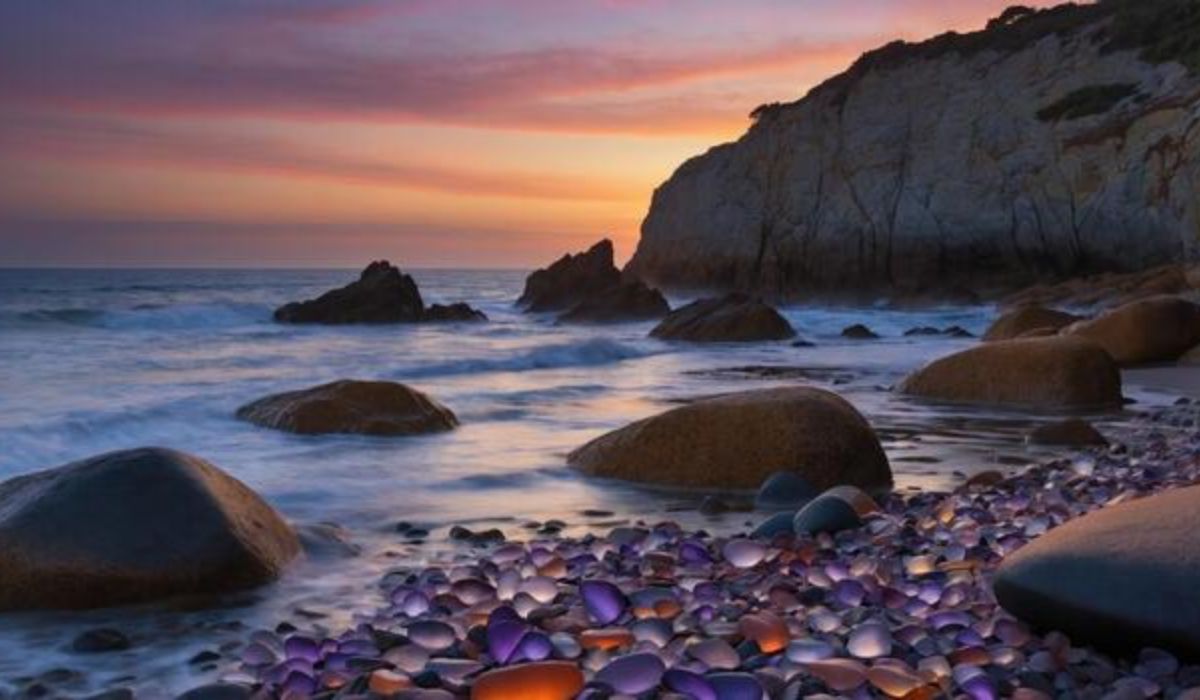
Seasonal Considerations
Different seasons offer distinct experiences.
Spring
Pleasant temperatures and blooming coastal vegetation.
Summer
Warm weather and increased visitor activity.
Autumn
Comfortable conditions with fewer crowds.
Winter
Dramatic ocean views and excellent photography opportunities.
Tide Conditions
Checking tide schedules before visiting can improve the experience.
Low tide often reveals larger areas of the shoreline and provides better opportunities for observing colorful glass deposits.
Tips for First-Time Visitors
Wear Appropriate Footwear
The shoreline can be uneven, making sturdy shoes a practical choice.
Bring a Camera
You’ll likely encounter countless photo-worthy scenes.
Respect Nature
Avoid removing glass, disturbing wildlife, or leaving litter behind.
Stay Safe
Be aware of changing tides, slippery rocks, and coastal weather conditions.
Take Your Time
The beach rewards slow exploration. Sometimes the most beautiful discoveries appear when you least expect them.
The Cultural Impact of Glass Pebble Beach
Glass Pebble Beach has inspired artists, writers, photographers, and environmental advocates.
Its transformation from a dumping ground into a celebrated destination serves as a powerful metaphor. Much like a rough stone polished into a jewel, discarded glass became something admired and treasured through the patient work of nature.
This symbolism resonates with many visitors who see the beach as proof that beauty can emerge from unexpected circumstances.
The location has also become an important example in discussions about sustainable tourism and environmental restoration. It demonstrates how communities can learn from past mistakes while protecting valuable natural resources.
What Makes Glass Pebble Beach So Special?
Many beaches around the world offer beautiful scenery, but Glass Pebble Beach delivers something truly distinctive.
Its appeal comes from the combination of:
- Unique geological processes
- Fascinating human history
- Vibrant colors
- Educational value
- Environmental significance
Few destinations tell such a compelling story through the landscape itself.
Every glass pebble represents decades of interaction between human activity and natural forces. Together, they create a shoreline unlike any other.
Conclusion
Glass Pebble Beach stands as one of the most fascinating coastal destinations in the world. What began as an unfortunate example of waste disposal has evolved into a breathtaking natural attraction shaped by decades of ocean activity. The colorful pebbles, diverse wildlife, educational opportunities, and environmental lessons make it much more than just a beautiful beach.
Visitors leave with more than photographs—they gain a deeper appreciation for nature’s ability to transform and adapt. By respecting conservation efforts and preserving the shoreline, future generations can continue to enjoy this extraordinary coastal treasure. Whether you’re a traveler, photographer, nature enthusiast, or simply curious about unique destinations, Glass Pebble Beach offers an unforgettable experience that blends beauty, history, and environmental awareness into one remarkable location.
Frequently Asked Questions
1. What is Glass Pebble Beach famous for?
Glass Pebble Beach is famous for its shoreline covered with colorful sea glass pebbles that have been naturally polished by ocean waves over many decades.
2. How were the glass pebbles created?
The pebbles originated from discarded glass items that were broken down, smoothed, and frosted through years of wave action, sand abrasion, and saltwater exposure.
3. Can visitors take glass pebbles home?
Many protected glass beaches discourage or prohibit collecting pebbles because removing them gradually reduces the beach’s unique character and ecological value.
4. What colors of sea glass can be found on the beach?
Common colors include green, brown, white, and blue. Rare colors such as red, orange, purple, and turquoise are occasionally found.
5. When is the best time to visit Glass Pebble Beach?
Low tide periods generally provide the best viewing opportunities. Spring and autumn are often preferred due to pleasant weather and fewer crowds.
Leave a Reply