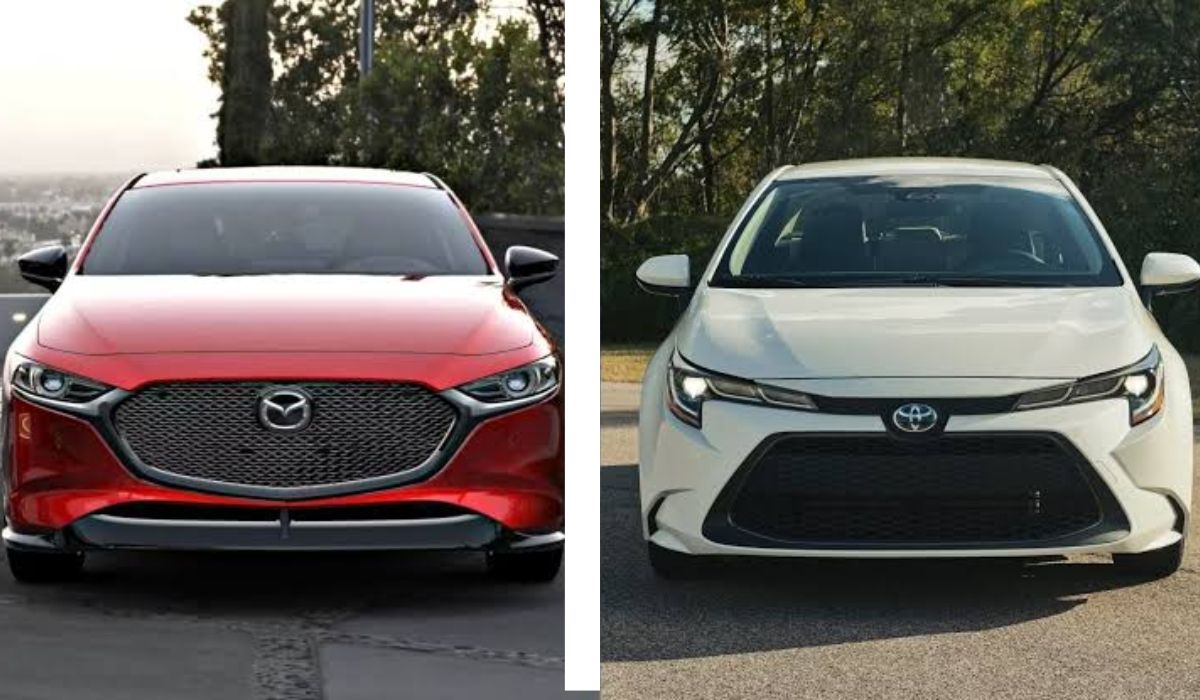
Choosing a new vehicle can feel like standing at a crossroads with multiple paths ahead. Two brands that often compete for attention are Toyota and Mazda. Both manufacturers have earned strong reputations worldwide, but they appeal to drivers in different ways.
Toyota is known for dependability, resale value, and practicality. Mazda, meanwhile, has built its image around stylish design and engaging driving dynamics. So, which one deserves a place in your driveway?
The answer depends on what matters most to you. Are you looking for a vehicle that prioritizes long-term reliability? Or do you want a car that makes every trip feel more enjoyable? In this detailed comparison, we’ll explore every major aspect of these two automotive giants to help you make an informed decision.
The History and Brand Identity
Toyota’s Legacy of Reliability
Toyota has spent decades building a reputation for producing vehicles that last. Founded in Japan in 1937, the company became one of the largest automakers in the world by focusing on quality manufacturing and continuous improvement.
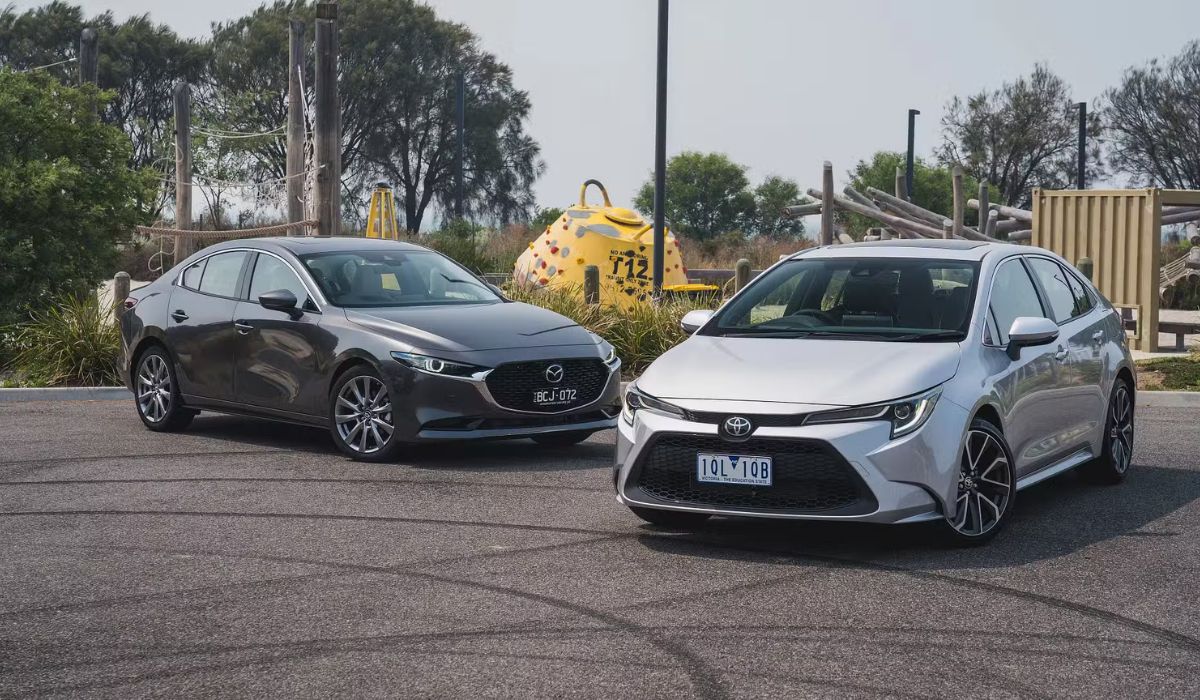
Many consumers associate Toyota with trustworthiness. Models like the Corolla, Camry, and RAV4 have become household names because they consistently deliver dependable transportation year after year.
Mazda’s Focus on Driving Pleasure
Mazda has a different philosophy. While reliability remains important, the company emphasizes creating vehicles that feel connected to the driver. Its engineering approach centers around delivering a more engaging experience behind the wheel.
This focus can be seen in iconic vehicles such as the MX-5 Miata, which is celebrated for making driving fun rather than simply functional.
Design Philosophy and Styling
Toyota’s Practical Yet Modern Approach
Toyota designs tend to balance practicality with modern styling. In recent years, the company has adopted bolder designs featuring sharper lines, larger grilles, and more aggressive appearances.
Vehicles like the Camry and Crown demonstrate Toyota’s effort to attract younger buyers while maintaining broad appeal.
Mazda’s Premium-Inspired Aesthetics
Mazda’s design language often looks more upscale than its price suggests. The company follows a philosophy called “Kodo Design,” which emphasizes elegance and motion.
Many buyers compare Mazda’s styling to luxury brands because of its smooth curves, refined interiors, and sophisticated appearance.
If appearance is a major factor in your decision, Mazda frequently earns praise for creating some of the most attractive vehicles in its segment.
Reliability and Long-Term Dependability
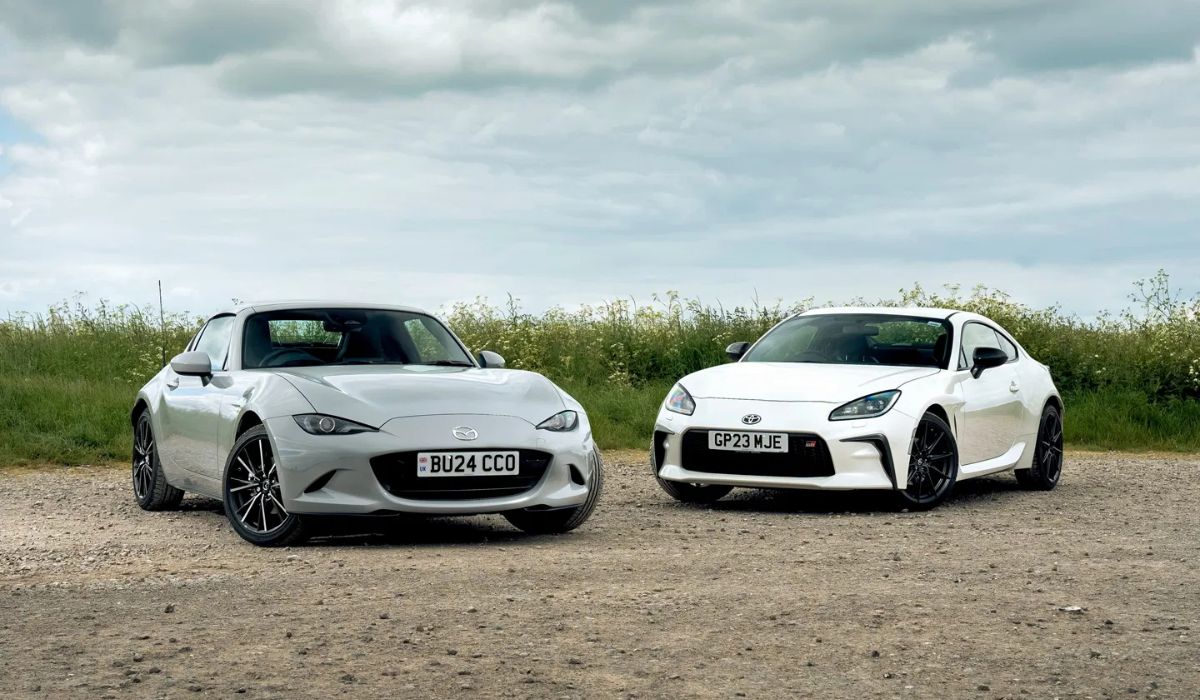
Toyota’s Industry-Leading Reputation
When discussing reliability, Toyota is usually one of the first names that comes to mind.
The brand consistently ranks near the top of reliability studies. Many Toyota vehicles exceed 200,000 miles with routine maintenance. This reputation contributes to strong customer loyalty and impressive resale values.
Mazda’s Strong Improvement
Mazda has significantly improved its reliability over the years. Modern Mazda vehicles frequently receive high reliability scores and have become serious competitors in this category.
While Toyota still holds a slight advantage in overall long-term reputation, Mazda has narrowed the gap considerably.
Winner: Toyota
Toyota remains the benchmark for reliability, though Mazda performs exceptionally well.
Performance and Driving Experience
Toyota’s Comfortable Driving Character
Toyota vehicles prioritize comfort and predictability. Steering is generally light, suspension tuning favors smooth rides, and overall handling is designed to appeal to a broad audience.
For daily commuting and family transportation, this approach works extremely well.
Mazda’s Driver-Focused Engineering
Mazda takes a different route. Engineers design vehicles to create a stronger connection between driver and machine.
The steering feels more responsive, cornering is often sharper, and overall handling inspires confidence. Even family-oriented crossovers provide a sporty feel.
Think of Toyota as a dependable family sofa, while Mazda is more like a comfortable but athletic recliner that keeps you engaged.
Winner: Mazda
Drivers who enjoy being behind the wheel will likely prefer Mazda’s dynamic character.
Fuel Economy and Efficiency
Toyota’s Leadership in Hybrid Technology
Toyota dominates the hybrid market thanks to decades of innovation.
Vehicles such as the Prius, Camry Hybrid, and RAV4 Hybrid deliver impressive fuel efficiency while maintaining practicality.
Toyota’s hybrid systems are widely regarded as among the most reliable and refined available today.
Mazda’s Efficient Conventional Engines
Mazda focuses heavily on maximizing efficiency from traditional gasoline engines. Its Skyactiv technology improves combustion and fuel economy without sacrificing performance.
Although Mazda vehicles are fuel-efficient, Toyota generally offers more hybrid choices and higher overall efficiency ratings.
Winner: Toyota
Toyota’s extensive hybrid lineup gives it a clear advantage.
Interior Quality and Comfort
Toyota’s Functional Interiors
Toyota interiors emphasize durability and user-friendliness. Controls are straightforward, materials are generally high quality, and seating comfort is suitable for long trips.
The layout prioritizes practicality over luxury.
Mazda’s Premium Feel
Mazda often surprises buyers with upscale cabin materials and thoughtful craftsmanship.
Soft-touch surfaces, elegant dashboard designs, and refined finishes create an experience that feels more expensive than the vehicle’s actual price.
Many automotive reviewers consider Mazda interiors among the best in non-luxury segments.
Winner: Mazda
Mazda delivers a more premium atmosphere at a competitive price.
Technology and Infotainment
Toyota’s User-Friendly Systems
Toyota has steadily improved its infotainment systems. Modern models feature touchscreen displays, smartphone integration, voice controls, and connected services.
The systems are generally easy to use and widely appreciated by mainstream buyers.
Mazda’s Driver-Centric Technology
Mazda often uses a rotary controller alongside touchscreen functionality to reduce distractions while driving.
The interface feels refined and intuitive after a short learning period.
The Verdict
Both brands offer excellent technology packages. The choice often comes down to personal preference rather than capability.
Safety Features and Ratings
Toyota Safety Systems
Toyota includes a suite of advanced driver-assistance features on most vehicles. These often include:
- Adaptive cruise control
- Lane departure warning
- Automatic emergency braking
- Lane-keeping assistance
- Road sign recognition
Mazda Safety Technologies
Mazda also offers comprehensive safety systems, including:
- Blind-spot monitoring
- Smart braking systems
- Driver attention monitoring
- Adaptive cruise control
- Rear cross-traffic alerts
Winner: Tie
Both manufacturers consistently earn strong crash-test ratings and prioritize occupant protection.
SUV Lineup Comparison
Popular Toyota SUVs
Toyota offers one of the industry’s strongest SUV portfolios, including:
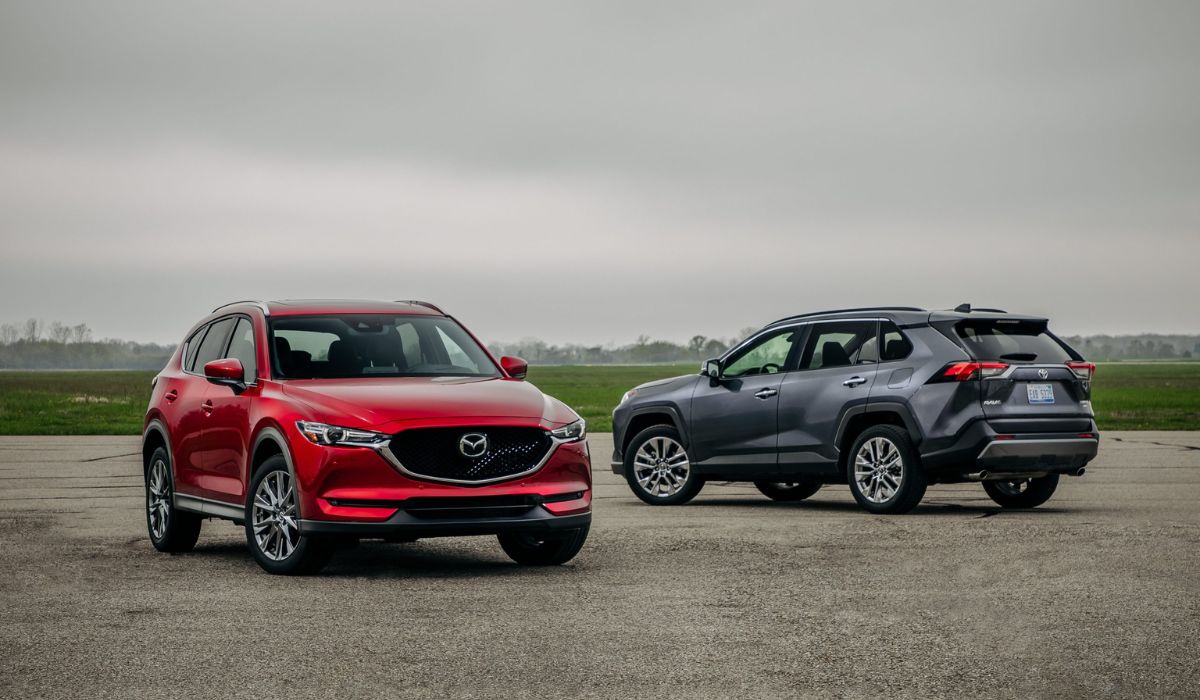
- RAV4
- Highlander
- Grand Highlander
- Corolla Cross
- Sequoia
- Land Cruiser
This variety allows buyers to find an option for nearly every lifestyle.
Popular Mazda SUVs
Mazda’s SUV lineup includes:
- CX-30
- CX-50
- CX-70
- CX-90
Mazda SUVs emphasize refinement and driving enjoyment while maintaining practicality.
Which SUV Brand Is Better?
Families seeking maximum variety may lean toward Toyota. Buyers wanting a more upscale driving experience often prefer Mazda.
Ownership Costs and Maintenance
Toyota’s Affordable Maintenance
Toyota vehicles generally have lower maintenance expenses compared to many competitors.
Parts are widely available, repairs are straightforward, and service networks are extensive.
Mazda’s Competitive Costs
Mazda ownership costs remain reasonable, though certain repairs and replacement parts can occasionally cost more than comparable Toyota components.
Both brands are affordable to own, but Toyota often edges ahead in total ownership savings.
Winner: Toyota
Toyota’s reputation for low maintenance costs remains a major advantage.
Resale Value and Market Demand
Toyota’s Strong Resale Performance
Toyota vehicles consistently retain value exceptionally well. High demand in the used market helps maintain resale prices.
This can reduce the overall cost of ownership over time.
Mazda’s Growing Value Retention
Mazda resale values have improved significantly, especially for popular models and SUVs.
However, Toyota generally maintains a stronger position in this category.
Winner: Toyota
Toyota remains one of the strongest brands for long-term value retention.
Which Brand Is Best for Different Buyers?
Choose Toyota If You Want:
- Exceptional reliability
- Strong resale value
- Hybrid options
- Low maintenance costs
- Family-friendly practicality
Choose Mazda If You Want:
- Sportier handling
- Premium interior quality
- Elegant design
- Engaging driving experience
- Luxury-like features at mainstream prices
Toyota vs Mazda: Final Verdict
Toyota and Mazda are both excellent choices, but they serve slightly different audiences.
Toyota excels in reliability, efficiency, ownership costs, and resale value. It is the safer choice for buyers who prioritize practicality and long-term dependability.
Mazda stands out with sophisticated styling, upscale interiors, and a driving experience that feels more rewarding. For those who enjoy spending time behind the wheel, Mazda offers a compelling alternative that punches above its weight.
Ultimately, neither brand is universally better. The right choice depends on your priorities. If your focus is reliability and efficiency, Toyota is difficult to beat. If you value driving enjoyment and premium design, Mazda may be the perfect fit.
FAQs
1. Is Toyota more reliable than Mazda?
Yes. Toyota generally has a stronger long-term reliability reputation, although Mazda has become one of the most reliable automotive brands in recent years.
2. Which brand has better fuel economy, Toyota or Mazda?
Toyota usually offers better fuel economy, particularly because of its extensive hybrid lineup and advanced hybrid technology.
3. Are Mazda vehicles considered luxury cars?
Mazda is not a luxury brand, but many of its vehicles feature premium interiors and upscale styling that rival entry-level luxury models.
4. Which SUV is better, the Toyota RAV4 or Mazda CX-50?
The RAV4 excels in practicality, efficiency, and resale value, while the CX-50 provides a more engaging driving experience and premium cabin feel.
5. Does Mazda cost more to maintain than Toyota?
Maintenance costs for both brands are generally affordable, but Toyota often has a slight advantage due to lower repair costs and broader parts availability.
Leave a Reply