The internet has changed the way people share information, files, and digital content. Among the many technologies developed for file distribution, torrenting remains one of the most discussed. If you’ve ever downloaded a torrent file or heard someone mention a tracker, you may have wondered: What exactly are torrent trackers, and why are they important?
Torrent trackers play a vital role in the BitTorrent ecosystem. They act like traffic controllers, helping users find others who are sharing the same files. Without them, many peer-to-peer transfers would be far less efficient.
In this guide, we’ll explore torrent trackers in simple language, explain how they work, discuss different types, and clear up common misconceptions. By the end, you’ll have a solid understanding of this essential component of torrent technology.
Understanding the Basics of Torrenting
Before diving into trackers, it’s important to understand the fundamentals of torrenting.
Torrenting is a method of sharing files through a peer-to-peer (P2P) network. Instead of downloading a file from a single server, users download pieces of the file from multiple people who already have it.
Think of it like borrowing pages of a book from dozens of friends at the same time rather than waiting for one person to hand over the entire book. This approach often speeds up downloads and reduces strain on any single source.
The technology behind this process is known as the BitTorrent protocol, which coordinates file sharing between participants.
What Is a Torrent Tracker?
A torrent tracker is a server that helps connect users participating in a torrent swarm.
When someone starts downloading or uploading a file through BitTorrent, the tracker keeps track of which users currently have parts of the file and which users are requesting it.
In simple terms, a tracker functions like a directory or matchmaking service. It doesn’t usually store the actual content being shared. Instead, it helps peers locate one another.
Imagine a sports tournament organizer. The organizer doesn’t play the game but helps players find their opponents and teammates. A tracker serves a similar purpose within a torrent network.
How Torrent Trackers Work
Understanding the process becomes easier when broken into steps.
Step 1: A User Opens a Torrent
The torrent file or magnet link contains information about the tracker and the file being shared.
Step 2: Contacting the Tracker
The BitTorrent client contacts the tracker and announces its presence.
Step 3: Receiving Peer Information
The tracker responds with a list of peers currently participating in the swarm.
Step 4: Establishing Connections
The client connects directly to those peers.
Step 5: Exchanging Data
Users begin downloading and uploading file pieces from one another.
Throughout the process, the tracker continually updates information about active participants, making the network more efficient.
What Is a Torrent Swarm?
A torrent swarm refers to the entire group of users sharing a particular file.
Every participant in the swarm contributes to the distribution process. Some users may possess the entire file, while others only have portions of it.
The tracker helps maintain awareness of swarm members so peers can find one another quickly.
The larger the swarm, the greater the likelihood of faster downloads because more sources are available.
Seeders and Leechers Explained
To fully understand trackers, you should know two important terms.
Seeders
Seeders are users who possess the complete file and continue sharing it with others.
They are the backbone of healthy torrent distribution because they provide complete copies to new participants.
Leechers
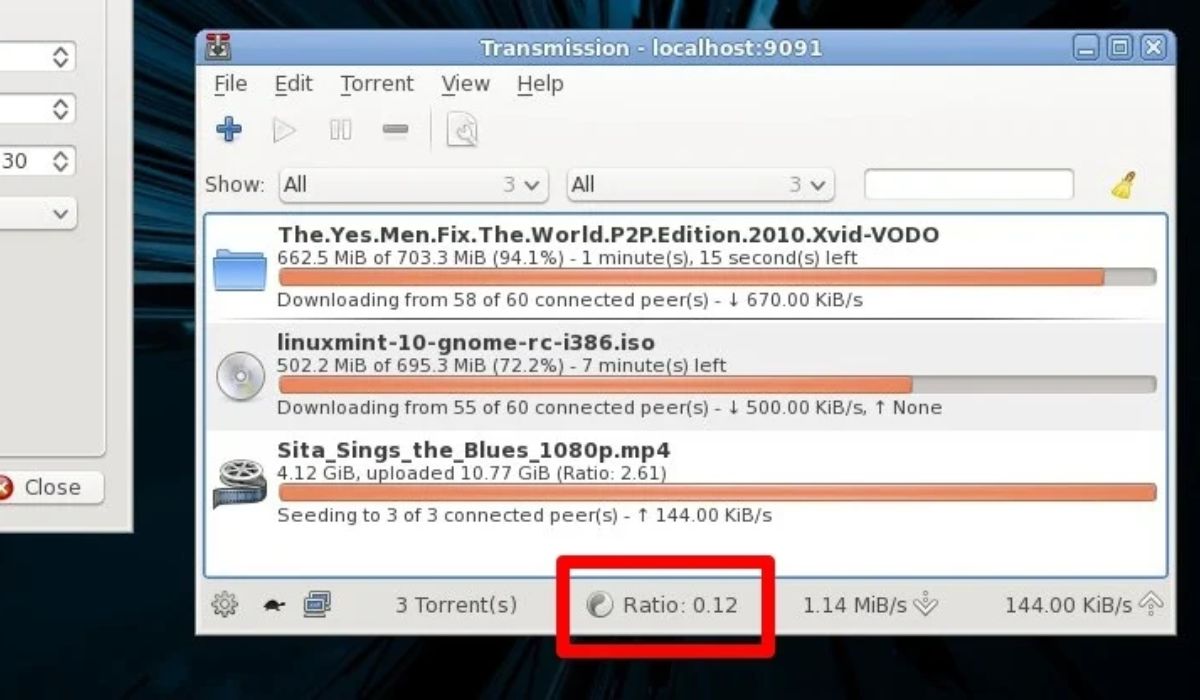
Leechers are users who are still downloading the file. While downloading, they often upload portions they’ve already received.
Despite the negative-sounding name, leechers are a normal part of the ecosystem.
Why Trackers Monitor Both
Trackers maintain information about both seeders and leechers, helping clients locate the best available sources for file transfers.
Public Torrent Trackers
Public trackers are open to everyone.
Anyone can join, download torrent files, and participate without registration requirements.
Advantages
- Easy access
- Large user base
- No invitation needed
- Wide variety of content
Disadvantages
- Less control over quality
- Higher risk of fake torrents
- More unreliable peers
- Greater exposure to malicious files
Public trackers are often the first type encountered by newcomers due to their accessibility.
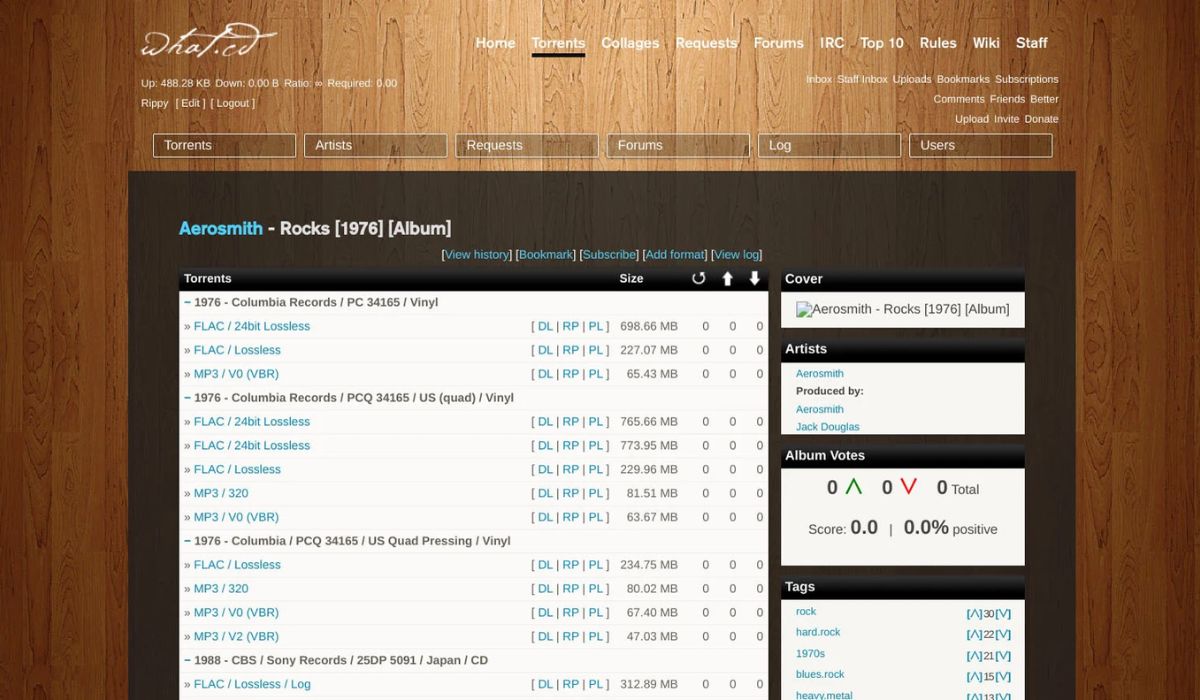
Private Torrent Trackers
Private trackers operate differently.
Users typically need an invitation or application approval before joining.
Advantages
- Better community moderation
- Higher-quality content
- Faster download speeds
- Stronger user accountability
Disadvantages
- Restricted access
- Membership rules
- Upload ratio requirements
- Potential waiting lists
Private communities often maintain strict standards to ensure members contribute fairly to the network.
Trackerless Torrenting and DHT
Modern BitTorrent technology has evolved beyond traditional trackers.
One important innovation is the Distributed Hash Table (DHT).
What Is DHT?
DHT allows peers to locate one another without relying solely on centralized trackers.
Instead of asking a single server for peer information, participants share that information across the network.
Benefits of DHT
- Increased resilience
- Reduced dependence on trackers
- Better availability
- Improved decentralization
Even if a tracker becomes unavailable, DHT may help users continue finding peers.
Why Torrent Trackers Are Important
Although newer technologies exist, trackers still play an important role.
Faster Peer Discovery
Trackers quickly introduce users to active peers.
Improved Download Efficiency
Efficient peer matching can improve transfer speeds.
Swarm Management
Trackers help coordinate large groups of participants.
Network Stability
They provide an organized method for connecting users.
Without trackers, many torrent swarms would take longer to establish effective connections.
Common Myths About Torrent Trackers
There are several misconceptions surrounding torrent trackers.
Myth 1: Trackers Store All Shared Files
Most trackers do not host the actual files. They primarily coordinate peer connections.
Myth 2: Every Torrent Needs a Tracker
Modern torrenting can use DHT, Peer Exchange (PEX), and other decentralized methods.
Myth 3: More Trackers Always Mean Faster Downloads
Additional trackers can help locate peers, but download speed depends on many factors, including available seeders and network conditions.
Myth 4: Trackers Control Downloads
Trackers facilitate connections but do not directly control file transfers between peers.
Security Considerations When Using Torrents
Understanding trackers also involves understanding safety.
Verify Sources
Always use trusted sources when obtaining torrent metadata.
Check Community Feedback
User comments and ratings can help identify legitimate files.
Use Security Software
Keeping antivirus and security tools updated helps protect against malicious downloads.
Respect Copyright Laws
Users should always ensure they have legal rights or permission to download and share content.
Responsible use is essential when participating in any file-sharing network.
The Evolution of Torrent Technology
Torrent technology has changed significantly since its early days.
Initially, trackers were almost mandatory for locating peers. Over time, innovations such as:
- Distributed Hash Tables
- Peer Exchange
- Magnet Links
- Decentralized peer discovery
have reduced dependence on centralized systems.
Today’s torrent ecosystem is more resilient, efficient, and distributed than ever before.
Despite these advancements, trackers continue to serve as valuable tools for coordinating large numbers of participants.
The Future of Torrent Trackers
As internet infrastructure evolves, torrent trackers are likely to remain part of the broader file-sharing landscape.
Future developments may focus on:
- Greater decentralization
- Enhanced privacy
- Improved peer discovery
- Better network efficiency
- Reduced reliance on centralized infrastructure
While technologies may change, the fundamental need to help peers find one another will remain important.
Trackers, whether centralized or decentralized, will continue contributing to that goal.
Conclusion
Torrent trackers are a core component of the BitTorrent ecosystem. Their primary role is to help users discover other participants sharing the same file. Rather than storing content themselves, they act as coordinators that connect peers within a torrent swarm.
Whether public or private, trackers improve peer discovery, support efficient file distribution, and help maintain healthy networks. Although newer technologies like DHT and Peer Exchange have reduced dependence on traditional trackers, they still play an important role in many torrenting environments.
Understanding how trackers work provides valuable insight into the broader world of peer-to-peer networking and digital file distribution. For anyone interested in internet technology, torrent trackers represent a fascinating example of how decentralized systems can efficiently connect people around the world.
FAQs
1. What does a torrent tracker actually do?
A torrent tracker helps users find other peers who are sharing the same file. It coordinates connections between participants in a torrent swarm.
2. Do torrent trackers store the files being shared?
In most cases, no. Trackers generally store information about peers rather than hosting the actual content.
3. What is the difference between a public and private tracker?
Public trackers are open to everyone, while private trackers require registration, invitations, or approval to join.
4. Can torrents work without trackers?
Yes. Technologies such as Distributed Hash Tables (DHT) and Peer Exchange (PEX) allow peers to discover one another without relying entirely on trackers.
5. Why are seeders important in torrenting?
Seeders provide complete copies of files and help maintain availability for other users. More seeders generally improve download reliability and speed.
Leave a Reply