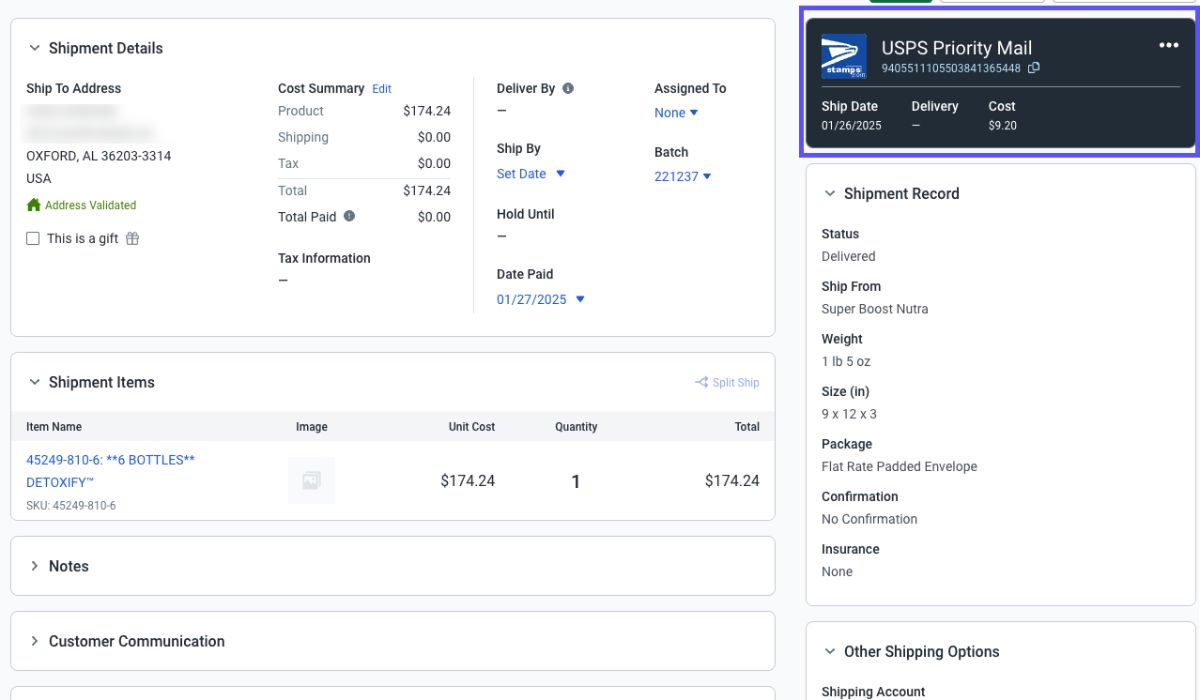
In today’s fast-paced online shopping world, customers expect more than just quick delivery. They want to know exactly where their package is, when it will arrive, and whether any delays have occurred. This is where Auctane ShipStation tracking becomes an essential tool for businesses and consumers alike.
Tracking technology has transformed shipping from a guessing game into a transparent process. Whether you’re a small online seller, a growing ecommerce brand, or simply someone waiting for an important package, understanding how ShipStation’s tracking system works can help create a better shipping experience.
Think of package tracking as a digital roadmap. Instead of wondering where a shipment might be, you can follow its journey from the warehouse to the customer’s doorstep. This visibility improves confidence, reduces customer inquiries, and streamlines operations.
In this comprehensive guide, we’ll explore everything you need to know about Auctane ShipStation tracking, including its features, benefits, setup process, troubleshooting tips, and best practices.
What Is Auctane ShipStation?
ShipStation is a shipping and fulfillment platform owned by Auctane, a company specializing in shipping technology solutions. The platform helps businesses manage orders, create shipping labels, compare carrier rates, and track shipments from a centralized dashboard.
The software connects with various ecommerce marketplaces, shopping carts, and shipping carriers, allowing merchants to handle logistics efficiently without switching between multiple systems.
Its tracking capabilities provide real-time shipment updates that improve communication between sellers and customers.
Understanding How ShipStation Tracking Works
Once a shipping label is created and scanned by the selected carrier, ShipStation automatically generates a tracking number. This number acts as a unique identifier for the shipment throughout its journey.
The tracking process typically follows these steps:
- Order is processed.
- Shipping label is created.
- Tracking number is generated.
- Carrier scans the package.
- Shipment updates are recorded.
- Delivery status is updated.
- Customer receives confirmation.
Every scan performed by the carrier adds a new tracking event, giving users greater visibility into package movement.
Key Tracking Status Updates
Customers may encounter several common shipment statuses:
Label Created
The shipment has been prepared, but the carrier has not yet received the package.
In Transit
The package is moving through the carrier’s transportation network.
Out for Delivery
The shipment is currently with the delivery driver and expected to arrive soon.
Delivered
The package has reached its destination successfully.
Exception
An unexpected issue such as weather delays, address problems, or customs inspections has occurred.
Understanding these statuses helps both businesses and customers interpret shipping progress accurately.
Benefits of Using ShipStation Tracking

Tracking is no longer considered a luxury feature. It has become an essential part of modern ecommerce operations.
Improved Customer Experience
Customers appreciate transparency. When shipment information is readily available, they feel more confident about their purchase.
Instead of contacting support teams repeatedly, customers can monitor their package independently.
Reduced Support Requests
Many customer service inquiries revolve around a simple question:
“Where is my order?”
Accessible tracking information significantly reduces these inquiries, allowing support teams to focus on more complex issues.
Greater Operational Efficiency
Business owners gain better visibility into shipment performance, enabling them to identify delays, monitor carriers, and improve logistics workflows.
Increased Trust and Brand Reputation
Providing accurate tracking information demonstrates professionalism and reliability. Customers are more likely to return when they have positive delivery experiences.
Setting Up Tracking in ShipStation
Configuring shipment tracking is a straightforward process.
Connect Your Sales Channels
The first step involves linking your ecommerce platforms and marketplaces to ShipStation.
Popular integrations include:
- Shopify
- WooCommerce
- Magento
- BigCommerce
- Amazon
- eBay
- Walmart Marketplace
Once connected, orders automatically import into the platform.
Add Carrier Accounts
Businesses can connect shipping carriers such as:
- USPS
- UPS
- FedEx
- DHL
- Canada Post
- Royal Mail
After integration, tracking information flows automatically between ShipStation and the carrier.
Enable Customer Notifications
Users can configure automatic email notifications containing tracking details.
These notifications keep customers informed throughout the delivery process without requiring manual communication.
Tracking Notifications and Customer Communication
One of ShipStation’s strongest features is automated customer communication.
Shipment Confirmation Emails
Customers receive confirmation when an order ships.
The email generally includes:
- Tracking number
- Carrier information
- Estimated delivery timeline
- Tracking link
Delivery Notifications
Some businesses also enable delivery confirmation messages.
These notifications reassure customers that packages have arrived successfully.
Branded Tracking Pages
Many merchants customize tracking pages with:
- Company logos
- Brand colors
- Promotional content
- Customer support links
This creates a more professional and consistent customer experience.
Multi-Carrier Tracking Advantages
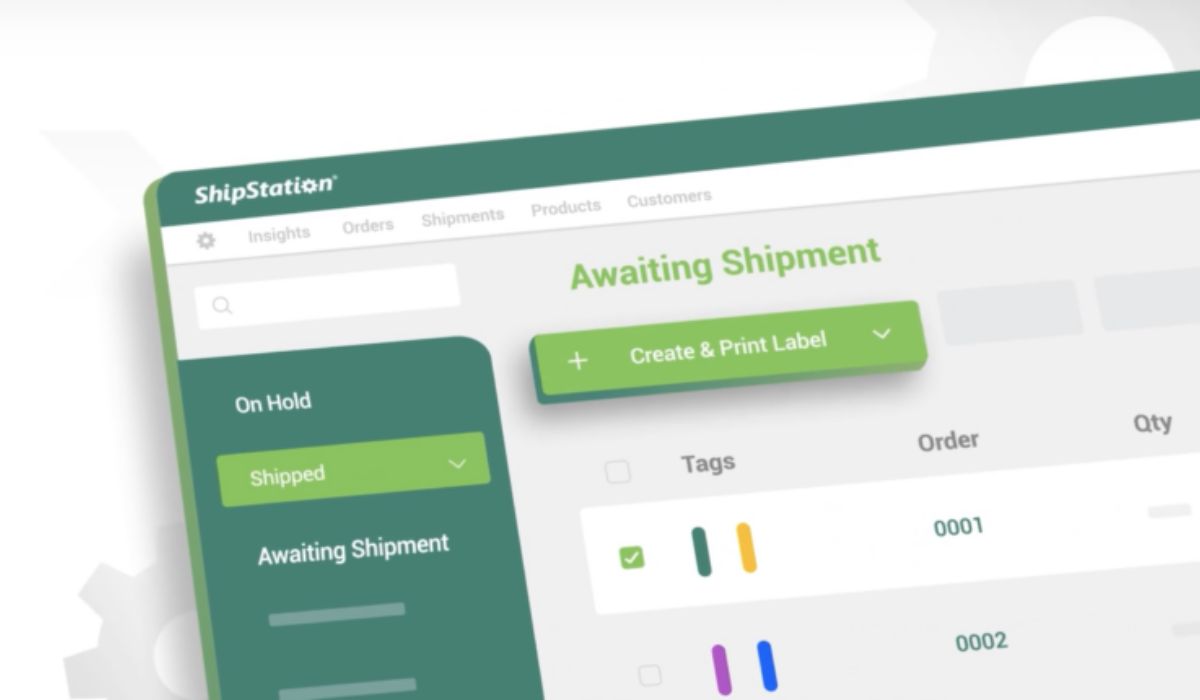
Modern ecommerce businesses often use multiple shipping providers.
ShipStation simplifies management by bringing tracking information from various carriers into one location.
Centralized Visibility
Instead of visiting different carrier websites, users can monitor all shipments from a single dashboard.
Carrier Performance Monitoring
Businesses can compare:
- Delivery speed
- Reliability
- Shipping costs
- Service quality
This data supports smarter shipping decisions.
Flexible Shipping Strategies
Using multiple carriers allows businesses to choose the most suitable option for each order based on destination, weight, and delivery requirements.
Common Tracking Issues and Solutions
Although tracking systems are highly reliable, occasional issues can occur.
Tracking Number Not Updating
A newly created tracking number may not display updates immediately.
Possible reasons include:
- Carrier processing delays
- Package not yet scanned
- System synchronization delays
Waiting 24–48 hours often resolves the issue.
Shipment Stuck in Transit
Packages may remain in transit longer than expected because of:
- Severe weather
- Transportation disruptions
- Customs processing
- Peak-season volume
Monitoring updates regularly helps determine whether intervention is necessary.
Incorrect Delivery Status
Occasionally, a package may be marked delivered before reaching the recipient.
In such situations:
- Verify the delivery address.
- Check nearby locations.
- Contact the carrier.
- Reach out to the seller.
Most delivery discrepancies can be resolved through carrier investigation.
ShipStation Tracking for Ecommerce Businesses
Online retailers benefit significantly from advanced shipment tracking capabilities.
Better Inventory Planning
Tracking data helps merchants understand shipping timelines and customer demand patterns.
This information supports smarter inventory management decisions.
Enhanced Post-Purchase Experience
The customer journey does not end when an order is placed.
Shipment visibility becomes an important part of the post-purchase experience and can influence future purchasing decisions.
Stronger Customer Retention
When customers receive accurate updates and reliable deliveries, they are more likely to become repeat buyers.
Integrations That Enhance Tracking Capabilities
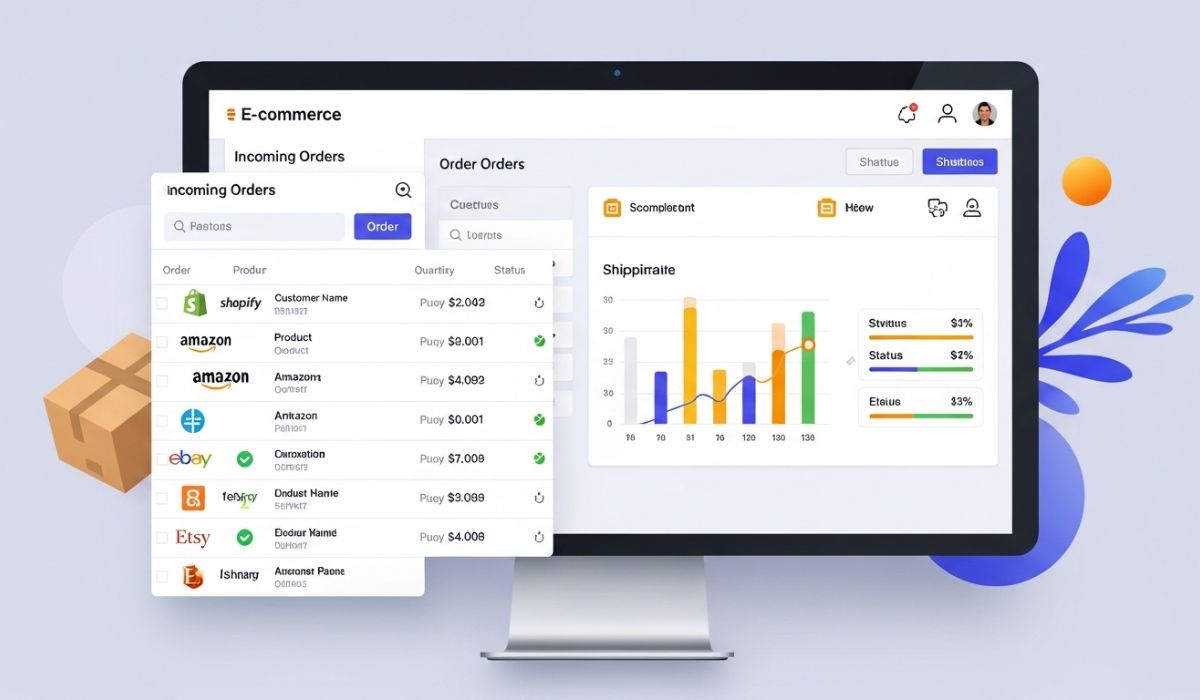
ShipStation integrates with numerous business tools that extend tracking functionality.
Customer Relationship Management Systems
CRM integrations help businesses maintain detailed records of customer orders and shipping history.
Inventory Management Software
Inventory platforms synchronize stock levels with shipping operations, reducing fulfillment errors.
Ecommerce Platforms
Real-time order synchronization ensures accurate tracking information throughout the purchasing process.
Analytics Tools
Reporting platforms help merchants analyze delivery performance and identify opportunities for improvement.
Best Practices for Effective Shipment Tracking
To maximize the value of ShipStation tracking, businesses should follow several best practices.
Provide Tracking Information Immediately
Send tracking details as soon as labels are generated to keep customers informed.
Monitor Exceptions Proactively
Address shipping issues before customers discover them.
Proactive communication often prevents negative experiences.
Use Branded Tracking Experiences
Customized tracking pages reinforce brand identity and improve professionalism.
Analyze Carrier Performance Regularly
Review shipping metrics to identify the most reliable carriers for specific destinations.
Keep Customer Contact Information Accurate
Incorrect email addresses can prevent tracking notifications from reaching customers.
Regular data verification reduces communication problems.
Future Trends in Shipment Tracking Technology
The logistics industry continues to evolve rapidly.
Several innovations are shaping the future of shipment visibility.
Artificial Intelligence
AI-powered systems can predict delays and recommend alternative shipping solutions before problems occur.
Predictive Delivery Estimates
Advanced analytics improve delivery-time accuracy by considering traffic, weather, and carrier performance.
Real-Time Visibility
Tracking updates are becoming increasingly detailed and immediate.
Customers now expect minute-by-minute shipment visibility.
Enhanced Automation
Automation reduces manual effort while improving communication and shipment management efficiency.
As technology advances, tracking systems will continue becoming more accurate, intelligent, and customer-focused.
Why Tracking Has Become Essential in Modern Commerce
Years ago, customers placed an order and simply waited. Today, expectations have changed dramatically.
People want transparency, speed, and constant updates. Shipment tracking fulfills these expectations by providing visibility throughout the delivery journey.
For businesses, tracking reduces support costs, improves customer satisfaction, and strengthens brand credibility. For customers, it offers reassurance and convenience.
As ecommerce continues to expand globally, shipment visibility will remain one of the most important elements of successful order fulfillment.
Conclusion
Auctane ShipStation tracking plays a vital role in modern shipping and ecommerce operations. By providing real-time shipment visibility, automated notifications, centralized carrier management, and enhanced customer communication, it helps businesses deliver a superior post-purchase experience.
Whether you’re managing a small online store or a large-scale ecommerce operation, effective tracking can significantly improve customer satisfaction and operational efficiency. From reducing support inquiries to building trust through transparency, the benefits extend across every stage of the shipping process.
As logistics technology continues to evolve, solutions like ShipStation will remain at the forefront of helping businesses create smoother, smarter, and more reliable delivery experiences.
Frequently Asked Questions
1. What is Auctane ShipStation tracking?
Auctane ShipStation tracking is a shipment monitoring system that allows businesses and customers to track packages throughout the delivery process using carrier-generated tracking numbers.
2. How do customers receive tracking information?
Customers typically receive tracking details through automated shipment confirmation emails that include tracking numbers and tracking links.
3. Why is my ShipStation tracking number not updating?
Tracking updates may be delayed if the carrier has not scanned the package yet, if processing is still underway, or if synchronization delays exist between systems.
4. Can ShipStation track shipments from multiple carriers?
Yes. ShipStation supports multiple shipping carriers and consolidates tracking information into a single dashboard for easier management.
5. How does tracking improve customer satisfaction?
Tracking improves transparency, reduces uncertainty, provides delivery updates, and helps customers stay informed about their package status from shipment to delivery.
Leave a Reply