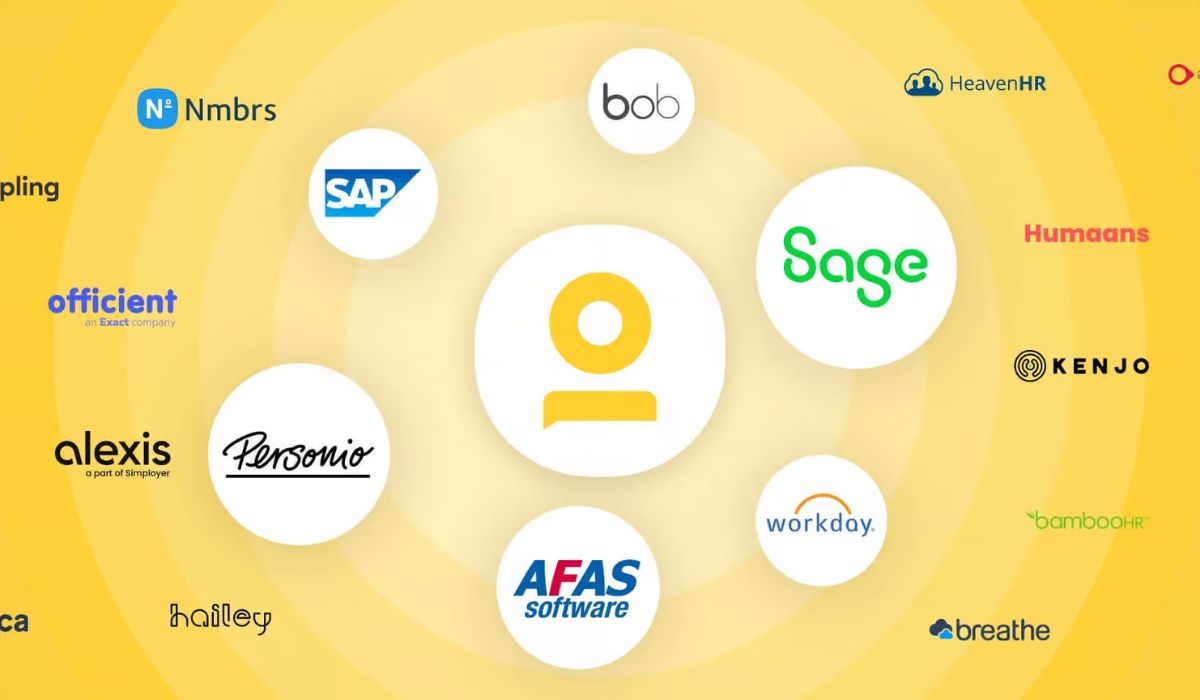
In today’s digital workplace, businesses rely on multiple software platforms to manage employees, payroll, recruitment, benefits, attendance, performance, and compliance. While each tool serves an important purpose, managing them separately often creates confusion, duplicate data, and unnecessary administrative work.
This is where HRIS integration becomes valuable. By connecting different HR-related applications, organizations can create a seamless flow of information across departments and systems. Instead of entering the same employee details multiple times, data automatically moves where it needs to go.
Think of an HR ecosystem like a city’s transportation network. Without connected roads, every destination becomes difficult to reach. Integration acts as the highway system, ensuring information travels smoothly between various platforms. As businesses continue embracing digital transformation, connecting HR technologies has become less of a luxury and more of a necessity.
What Is HRIS Integration?
An HRIS, or Human Resource Information System, is software designed to manage employee-related information and HR processes. Integration refers to connecting this system with other business applications so that data can be shared automatically.
When systems communicate with one another, information entered in one platform updates across connected tools. For example, if an employee changes their address in the HR portal, that update can automatically appear in payroll and benefits systems.
Core Purpose of Integration
The primary goal is to eliminate manual data entry and improve operational efficiency. Rather than maintaining isolated databases, organizations create a centralized information environment.
Common Systems Connected to an HRIS
- Payroll software
- Recruitment platforms
- Time and attendance systems
- Learning management systems
- Benefits administration tools
- Accounting software
- Workforce scheduling applications
- Performance management platforms
These connections help organizations maintain consistent and accurate employee records.
Why HRIS Integration Matters in Modern Organizations
Businesses today operate in a fast-paced environment where accurate information is critical. Employees expect smooth digital experiences, and HR teams need reliable data to make informed decisions.
Without integration, HR departments often struggle with fragmented information. Employee details may exist in multiple databases, creating inconsistencies and increasing the likelihood of errors.
Improved Data Accuracy
When information is synchronized automatically, there is less room for human error. Updates occur consistently across systems.
Enhanced Productivity
HR professionals spend less time entering data and more time focusing on strategic initiatives such as talent development and employee engagement.
Better Employee Experience
Employees benefit from faster responses, accurate records, and streamlined processes throughout their employment journey.
Key Benefits of HRIS Integration
Organizations invest in integration because of the significant advantages it provides.
Reduced Administrative Burden
Manual tasks consume valuable time. Automated workflows reduce repetitive work and improve efficiency.
Real-Time Information Access
Managers and HR professionals gain access to current employee information whenever they need it.
Stronger Compliance Management
Many industries require detailed employee records. Integrated systems help organizations maintain accurate documentation and support regulatory compliance.
Improved Reporting and Analytics
When data is consolidated, generating reports becomes easier. Leaders can analyze workforce trends and make data-driven decisions.
Cost Savings
Automation minimizes labor-intensive tasks and reduces the risk of costly errors related to payroll, benefits, and compliance.
Types of HRIS Integrations
Not all integrations serve the same purpose. Different organizations require different connections based on their needs.
Payroll Integration
Payroll is one of the most common integrations. Employee information, salary details, deductions, and attendance records flow directly into payroll systems.
Recruitment Integration
Applicant tracking systems can transfer candidate information directly into employee databases after hiring.
Benefits Integration
Health insurance, retirement plans, and other benefits platforms can receive employee information automatically.
Learning and Development Integration
Training records, certifications, and learning progress can be tracked alongside employee profiles.
Performance Management Integration
Performance reviews and goal-tracking data can be linked to employee records for a more comprehensive view of workforce development.
How HRIS Integration Works
Although the technical details may seem complicated, the concept is straightforward. Systems exchange information through established communication methods.
Application Programming Interfaces (APIs)
APIs allow software platforms to communicate with each other. They serve as digital bridges that transfer data between systems.
Data Synchronization
Employee information is synchronized automatically according to predefined rules and schedules.
Workflow Automation
Once systems are connected, actions in one platform can trigger processes in another. This reduces manual intervention.
For example, when a new employee is hired, multiple systems can automatically receive necessary information, reducing onboarding time significantly.
Common Challenges During Integration

Despite its advantages, implementation is not always simple. Organizations often encounter obstacles that require careful planning.
Data Quality Issues
If employee information contains errors before integration, those problems may spread across connected systems.
System Compatibility
Not all software platforms communicate easily with one another. Compatibility assessments are often necessary.
Security Concerns
Employee data contains sensitive information. Organizations must ensure secure data transmission and storage.
Change Management
Employees and administrators may resist new workflows. Proper training and communication are essential for successful adoption.
Budget Constraints
Integration projects require investment in technology, expertise, and ongoing maintenance.
Steps to Successfully Implement HRIS Integration
A structured approach increases the likelihood of success.
1. Define Business Objectives
Start by identifying specific goals. Are you trying to improve payroll accuracy, reduce manual work, or enhance reporting?
2. Audit Existing Systems
Review current software platforms and determine how they interact with one another.
3. Clean and Standardize Data
Ensure employee information is accurate before migration and synchronization.
4. Choose Appropriate Integration Methods
Select integration tools and technologies that align with organizational requirements.
5. Conduct Thorough Testing
Test workflows, data transfers, and security measures before deployment.
6. Train Users
Provide guidance for HR teams, managers, and employees to ensure smooth adoption.
7. Monitor Performance
Regular monitoring helps identify issues and maintain long-term effectiveness.
Best Practices for HRIS Integration
Successful projects often follow proven strategies.
Prioritize Data Governance
Establish clear standards for data accuracy, ownership, and security.
Focus on Scalability
Choose solutions capable of supporting future growth and changing workforce needs.
Maintain Strong Security Controls
Protect employee information through encryption, access controls, and regular audits.
Document Processes
Comprehensive documentation simplifies troubleshooting and future updates.
Collaborate Across Departments
HR, IT, finance, and leadership teams should work together throughout the implementation process.
The Role of Automation in HRIS Integration
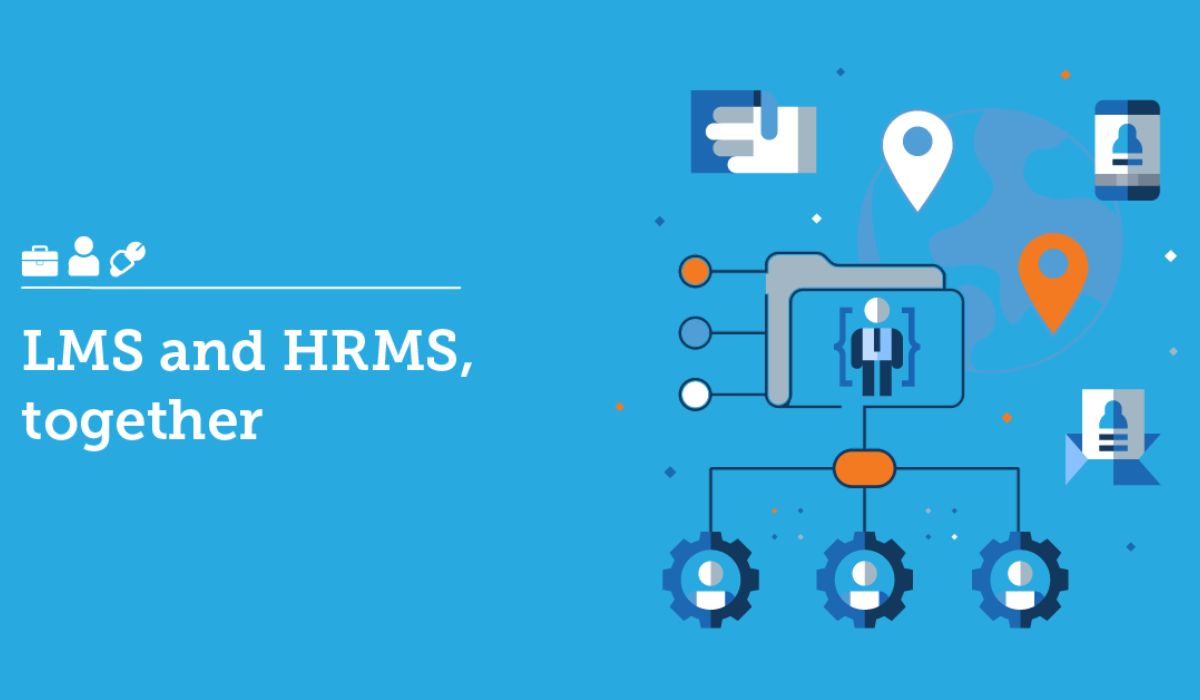
Automation transforms integration from a simple connection into a powerful business tool.
Automated Onboarding
New hire information can automatically populate multiple systems, reducing paperwork and delays.
Attendance Tracking
Time records can flow directly into payroll calculations without manual entry.
Benefits Enrollment
Employee selections can update benefits providers automatically.
Performance Monitoring
Managers gain access to real-time workforce insights and performance metrics.
Automation not only saves time but also improves consistency across organizational processes.
Security and Compliance Considerations
Employee information is among the most sensitive data organizations manage. As a result, security should remain a top priority.
Data Protection Measures
Organizations should implement:
- Encryption protocols
- Multi-factor authentication
- Secure access controls
- Regular security audits
Regulatory Compliance
Depending on location and industry, businesses must comply with various labor and privacy regulations.
Vendor Evaluation
Before integrating systems, organizations should assess vendor security standards and compliance certifications.
A secure integration framework helps build employee trust and reduce organizational risk.
Future Trends Shaping HRIS Integration
Technology continues to evolve, creating new opportunities for workforce management.
Artificial Intelligence
AI-powered systems can automate routine HR functions and provide predictive insights.
Cloud-Based Platforms
Cloud solutions offer greater flexibility, scalability, and accessibility.
Advanced Analytics
Organizations increasingly rely on workforce analytics to support strategic decision-making.
Employee Self-Service
Modern platforms empower employees to manage personal information independently.
Unified Digital Ecosystems
Future HR environments will emphasize seamless connectivity among all workforce-related applications.
These trends suggest that integration will become even more important as organizations continue modernizing operations.
Choosing the Right HRIS Integration Strategy
Every organization has unique requirements. A small business may need only basic payroll and attendance integration, while a large enterprise may connect dozens of systems.
When evaluating options, consider:
- Business objectives
- Current technology infrastructure
- Budget limitations
- Security requirements
- Scalability needs
- Vendor support capabilities
The best strategy is one that aligns technology investments with long-term organizational goals.
Conclusion
HRIS integration plays a crucial role in modern workforce management by connecting various human resources technologies into a unified ecosystem. By eliminating data silos, reducing manual work, improving accuracy, and supporting informed decision-making, integration helps organizations operate more efficiently while enhancing the employee experience.
Although implementation can present challenges, careful planning, strong data governance, effective security measures, and ongoing monitoring significantly increase the likelihood of success. As automation, cloud computing, analytics, and artificial intelligence continue to advance, integrated HR systems will become even more valuable for organizations seeking agility and competitive advantage in the evolving workplace.
Frequently Asked Questions (FAQs)
1. What does HRIS integration mean?
HRIS integration refers to connecting a Human Resource Information System with other business applications so employee data can move automatically between platforms without manual entry.
2. Why is HRIS integration important for businesses?
It improves efficiency, reduces errors, enhances reporting, strengthens compliance, and creates a better employee experience through seamless information sharing.
3. What systems are commonly integrated with an HRIS?
Common integrations include payroll software, recruitment platforms, attendance systems, benefits administration tools, learning management systems, and performance management applications.
4. What are the biggest challenges of HRIS integration?
The most common challenges include poor data quality, system compatibility issues, security concerns, user adoption difficulties, and budget limitations.
5. How long does an HRIS integration project typically take?
The timeline varies depending on organizational size, complexity, number of systems involved, and data quality. Projects may range from a few weeks to several months.
Leave a Reply