In today’s competitive business landscape, managing customer relationships effectively is no longer optional—it’s essential. Whether you’re a small business owner, marketing agency, freelancer, or entrepreneur, having a system that organizes leads, tracks conversations, and automates repetitive tasks can significantly improve efficiency.
This is where GHL CRM comes into the picture. Known for combining customer relationship management with marketing automation, sales tools, communication features, and business management capabilities, it has become a popular choice among organizations looking to simplify operations.
But what exactly is GHL CRM, and why are so many businesses adopting it? Let’s explore everything you need to know.
What Is GHL CRM?
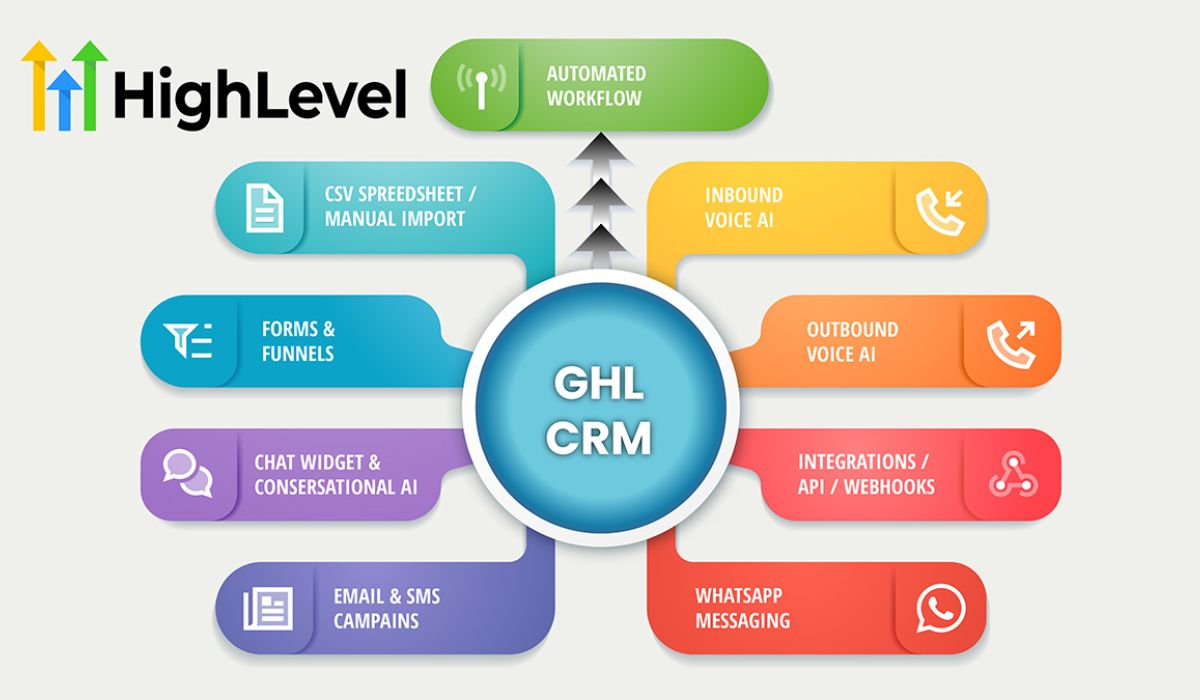
GHL CRM, often associated with GoHighLevel, is an all-in-one platform designed to help businesses manage customer interactions, marketing campaigns, sales processes, and communication channels from a single dashboard.
Instead of using separate tools for email marketing, lead tracking, appointment scheduling, text messaging, and sales funnels, users can centralize these activities within one system.
Think of it as a digital command center where every customer interaction, lead update, and marketing campaign can be managed efficiently.
Why Customer Relationship Management Matters
Before diving deeper into platform capabilities, it’s important to understand the value of customer relationship management.
Businesses generate leads from multiple sources:
- Social media
- Websites
- Referrals
- Paid advertisements
- Email campaigns
- Events and webinars
Without a proper system, important customer information can become scattered across spreadsheets, inboxes, and messaging apps.
A CRM helps businesses:
- Organize customer data
- Track interactions
- Monitor sales opportunities
- Improve communication
- Increase customer retention
- Generate more revenue
When implemented correctly, a CRM acts like the memory of a business, ensuring no opportunity slips through the cracks.
Core Features That Make GHL CRM Popular
Lead Management
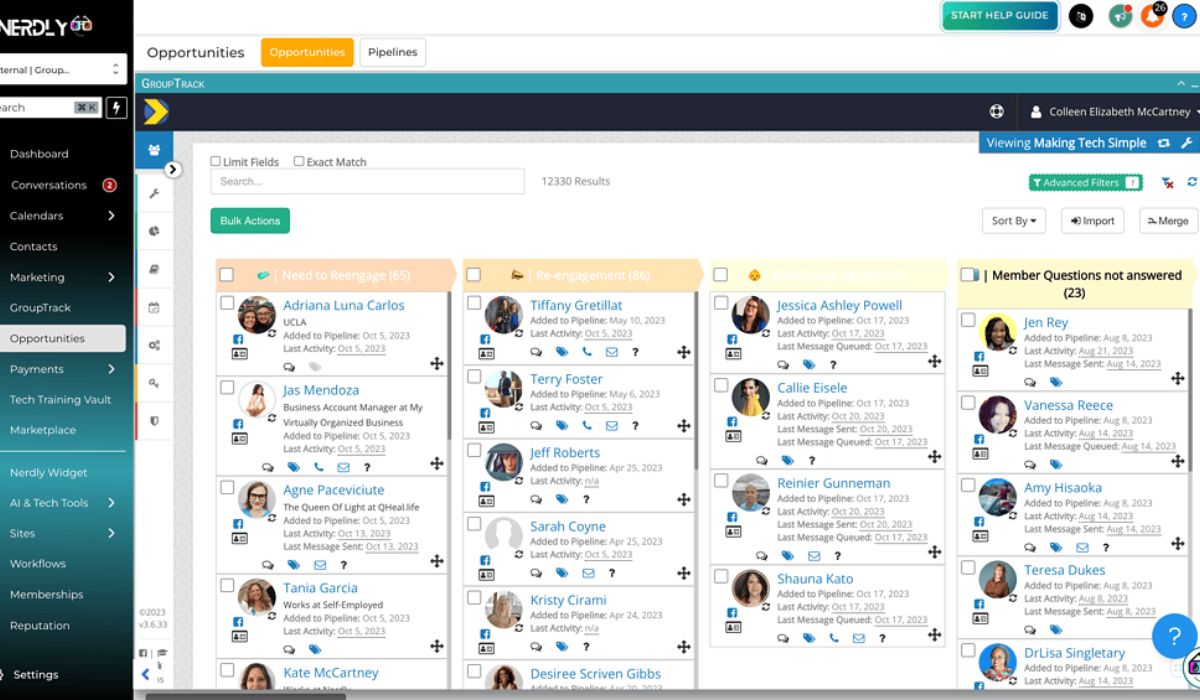
One of the platform’s strongest capabilities is lead management.
Every inquiry, form submission, phone call, or message can automatically enter the system and be assigned to specific sales pipelines.
Teams can:
- Track lead status
- Add notes
- Set follow-up reminders
- Monitor conversations
- Measure conversion progress
This structured approach helps businesses move prospects from initial interest to becoming paying customers.
Contact Database
The platform stores detailed customer profiles in one location.
Information may include:
- Name
- Phone number
- Email address
- Purchase history
- Appointment records
- Communication logs
Having complete customer information available instantly allows teams to provide personalized experiences.
Marketing Automation Capabilities
One of the reasons businesses choose GHL CRM is its extensive automation functionality.
Automated Follow-Ups
Many leads are lost simply because businesses fail to follow up consistently.
Automation workflows can trigger actions such as:
- Welcome emails
- SMS reminders
- Appointment confirmations
- Re-engagement campaigns
- Follow-up sequences
This reduces manual effort while ensuring prospects receive timely communication.
Workflow Automation
Businesses can create customized workflows based on customer behavior.
For example:
- A prospect fills out a contact form.
- The system sends a welcome email.
- A text message follows after one hour.
- A task is assigned to a sales representative.
- An appointment link is automatically provided.
This process runs without requiring manual intervention.
Sales Funnel and Conversion Tools
Building Effective Sales Funnels
Sales funnels guide potential customers through a structured buying journey.
GHL CRM allows businesses to create landing pages and funnel sequences designed to:
- Capture leads
- Nurture prospects
- Promote offers
- Increase conversions
Instead of relying on multiple third-party platforms, businesses can manage their funnels within the same ecosystem.
Pipeline Management
Visual pipelines help sales teams understand exactly where each prospect stands.
Common stages may include:
- New Lead
- Contacted
- Qualified
- Proposal Sent
- Negotiation
- Closed Won
- Closed Lost
This visibility helps teams prioritize opportunities and forecast revenue more accurately.
Communication Features in One Place
Customer communication often happens across several channels.
Managing conversations from different platforms can become overwhelming.
Email Integration
Businesses can send and receive emails directly through the platform while maintaining customer records.
Benefits include:
- Communication tracking
- Campaign management
- Automated sequences
- Performance analytics
SMS and Messaging
Text messaging has become one of the fastest ways to reach customers.
Integrated messaging features allow businesses to:
- Send appointment reminders
- Deliver promotions
- Confirm bookings
- Conduct follow-ups
Because messages are linked to customer records, teams can maintain complete communication histories.
Call Tracking
Phone communication remains important for many industries.
Call tracking capabilities help businesses:
- Record conversations
- Monitor call outcomes
- Evaluate team performance
- Improve customer service
Appointment Scheduling and Calendar Management
Scheduling appointments manually often leads to missed opportunities and administrative headaches.
GHL CRM includes calendar tools that simplify booking processes.
Customers can:
- View available time slots
- Schedule appointments online
- Receive automatic confirmations
- Get reminder notifications
For businesses, this reduces no-shows and improves operational efficiency.
Imagine having a virtual receptionist working around the clock—that’s essentially what automated scheduling provides.
Reputation Management and Customer Reviews
Online reviews influence purchasing decisions more than ever before.
Many consumers read reviews before choosing a product or service.
Review Collection
Businesses can automate review requests after customer interactions.
This helps generate authentic feedback while increasing visibility on review platforms.
Brand Monitoring
Monitoring customer sentiment enables businesses to:
- Address concerns quickly
- Improve customer satisfaction
- Strengthen brand credibility
- Build trust within the market
A strong reputation often becomes a powerful competitive advantage.
Reporting and Analytics
Data-driven decision-making is essential for modern businesses.
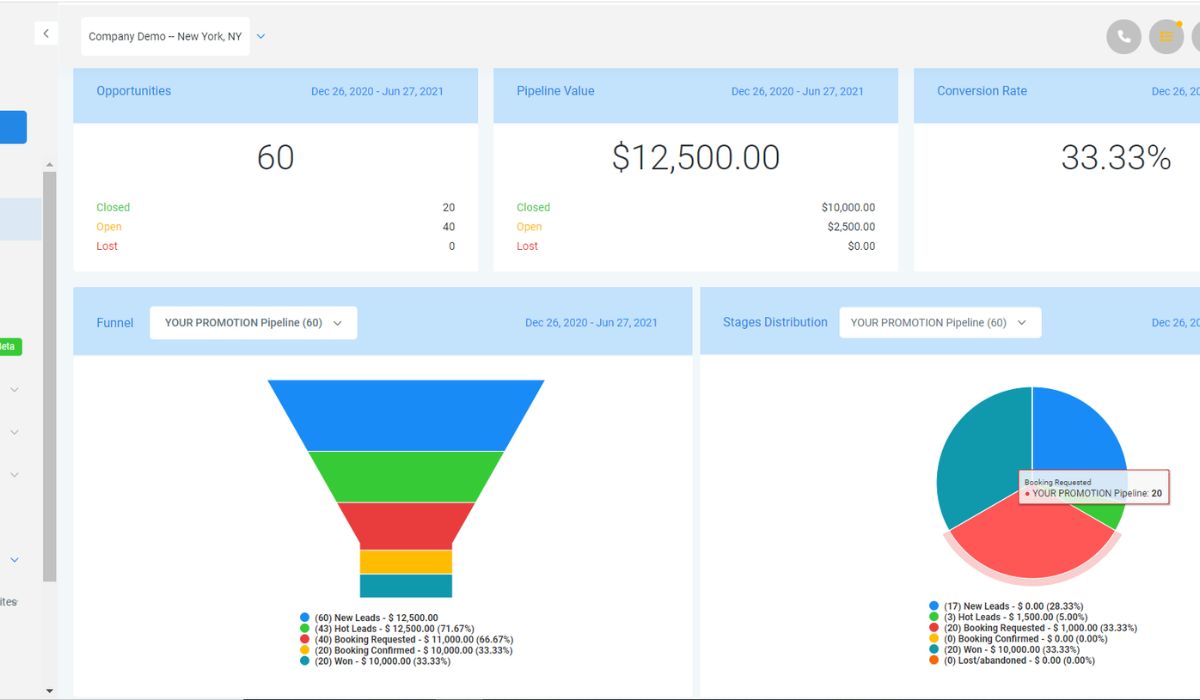
GHL CRM provides reporting tools that offer insights into:
- Lead generation
- Conversion rates
- Campaign performance
- Revenue trends
- Team productivity
Performance Tracking
Managers can identify:
- High-performing campaigns
- Sales bottlenecks
- Customer acquisition trends
- Marketing return on investment
These insights help organizations allocate resources more effectively.
Benefits of Using GHL CRM
Centralized Operations
Instead of juggling multiple software subscriptions, businesses can manage many functions through a single platform.
This improves:
- Efficiency
- Collaboration
- Data accuracy
- User experience
Time Savings
Automation eliminates repetitive tasks that consume valuable hours.
Employees can focus on:
- Closing sales
- Serving customers
- Strategic planning
- Business development
Scalability
As businesses grow, customer interactions become more complex.
A scalable CRM ensures systems remain organized regardless of business size.
Improved Customer Experience
Customers appreciate:
- Fast responses
- Personalized communication
- Convenient scheduling
- Consistent follow-ups
A positive experience often leads to repeat business and referrals.
Industries That Commonly Use GHL CRM
The platform serves a wide range of industries.
Marketing Agencies
Agencies use it to:
- Manage client campaigns
- Track leads
- Build funnels
- Automate outreach
Healthcare Practices
Medical professionals benefit from:
- Appointment scheduling
- Patient communication
- Reminder automation
Real Estate
Real estate professionals rely on CRM systems to manage:
- Property inquiries
- Buyer relationships
- Follow-up campaigns
- Lead nurturing
Coaches and Consultants
Consultants use automation and scheduling features to streamline client acquisition and service delivery.
Local Service Businesses
Industries such as:
- Plumbing
- Roofing
- Landscaping
- Cleaning services
- Home improvement
can effectively manage inquiries and appointments through the platform.
Potential Challenges and Considerations
No software solution is perfect for every organization.
Before adopting GHL CRM, businesses should consider several factors.
Learning Curve
Because the platform contains many features, new users may need time to learn navigation and setup.
Proper training often improves adoption success.
Customization Requirements
Some businesses require customized workflows and automation sequences.
Initial setup may take effort but can provide significant long-term benefits.
Business Fit
Organizations should evaluate:
- Team size
- Sales process complexity
- Marketing needs
- Growth objectives
Selecting a CRM that aligns with business goals is critical.
Best Practices for Successful Implementation
To maximize results, businesses should follow several best practices.
Define Clear Goals
Determine what success looks like.
Examples include:
- Increasing lead conversion rates
- Improving follow-up consistency
- Reducing administrative workload
- Enhancing customer satisfaction
Keep Data Organized
Clean and accurate customer records improve reporting and automation effectiveness.
Automate Gradually
Rather than automating everything at once, start with:
- Lead capture
- Appointment reminders
- Welcome sequences
Then expand workflows as confidence grows.
Monitor Performance Regularly
Review reports frequently to identify opportunities for improvement.
Continuous optimization produces better long-term outcomes.
The Future of CRM and Automation
Customer expectations continue to evolve.
Businesses increasingly demand platforms that combine:
- Customer management
- Marketing automation
- Communication tools
- Analytics
- Artificial intelligence
The future of CRM technology will likely focus on deeper automation, smarter personalization, predictive insights, and enhanced customer experiences.
Organizations that embrace these innovations will be better positioned to compete in rapidly changing markets.
Conclusion
GHL CRM has emerged as a comprehensive solution for businesses seeking to simplify customer management, automate marketing processes, and improve sales performance. By combining lead tracking, communication tools, appointment scheduling, automation workflows, funnel building, and reporting capabilities into a unified platform, it helps organizations operate more efficiently while delivering better customer experiences.
Like a well-organized control tower guiding every flight safely to its destination, a powerful CRM coordinates customer interactions, sales activities, and marketing efforts with precision. Businesses that leverage these capabilities effectively can save time, increase productivity, strengthen customer relationships, and create sustainable growth opportunities in an increasingly digital world.
FAQs
1. What is GHL CRM primarily used for?
GHL CRM is primarily used for managing customer relationships, tracking leads, automating marketing activities, scheduling appointments, and improving sales processes.
2. Is GHL CRM suitable for small businesses?
Yes. Small businesses can benefit from its automation, lead management, communication, and scheduling features without needing multiple software solutions.
3. Can GHL CRM automate customer follow-ups?
Yes. Users can create automated workflows for emails, SMS messages, reminders, appointment confirmations, and lead nurturing campaigns.
4. Which industries benefit most from GHL CRM?
Marketing agencies, real estate professionals, healthcare providers, consultants, coaches, and local service businesses commonly use the platform.
5. Does GHL CRM help improve customer retention?
Yes. Consistent communication, personalized interactions, automated follow-ups, and efficient customer management can significantly enhance retention and customer satisfaction.
Leave a Reply