
Plum Island, located off the eastern tip of Long Island, New York, has captured public curiosity for decades. This small island is known for its rich wildlife, scientific research facilities, military history, and a long list of mysteries that have inspired countless theories. Despite being only a few miles from the mainland, it has remained largely inaccessible to the public, making it one of the most intriguing places on the East Coast.
Whether you are a history enthusiast, a nature lover, or someone fascinated by unsolved mysteries, Plum Island offers a story unlike any other. From its strategic role in national defense to its reputation as a center for animal disease research, the island continues to spark interest around the world.
Where Is Plum Island Located?
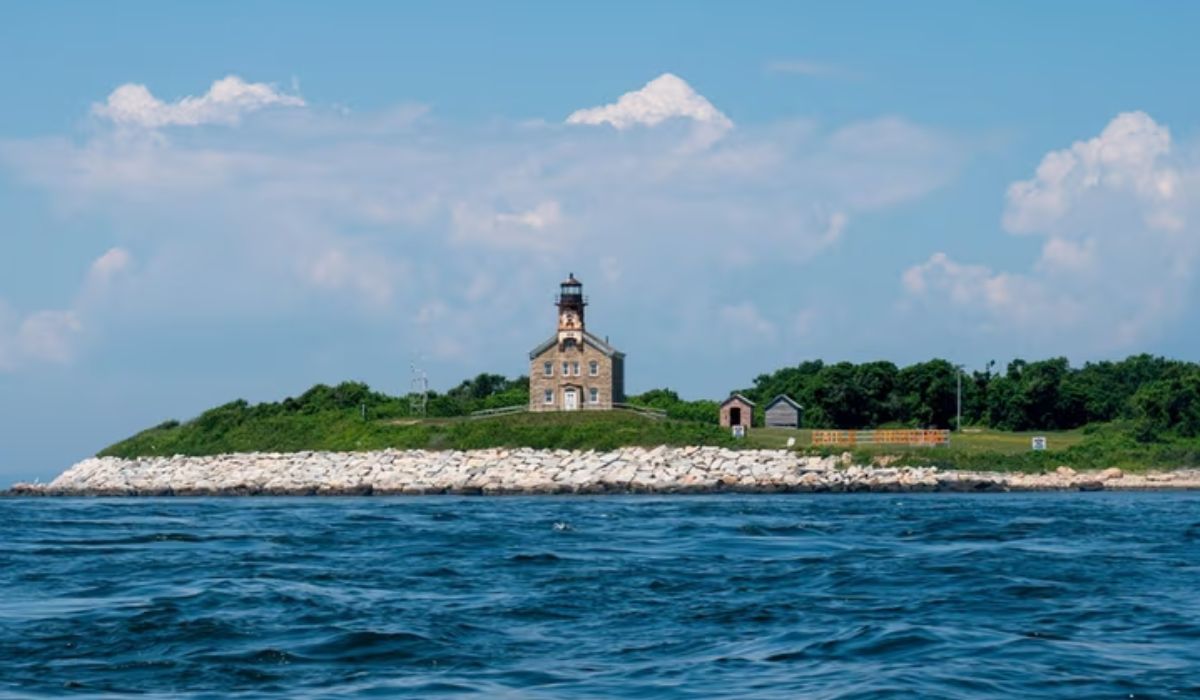
Plum Island sits in the waters between Long Island, New York, and Fishers Island. It lies near the entrance to Long Island Sound and covers approximately 840 acres.
Its location has always been strategically important. Positioned near major waterways, the island served military purposes for many years before becoming known for scientific research. The surrounding waters are rich with marine life, and the island’s isolation has helped preserve its natural environment.
Although visible from nearby communities such as Orient Point, access has traditionally been restricted, adding an air of mystery to the island.
The Early History of Plum Island
Long before modern facilities appeared, Native American communities were familiar with the island and the surrounding waters. The area was valued for fishing, hunting, and navigation.
European settlers later incorporated the island into colonial activities. During the nineteenth century, Plum Island remained relatively undeveloped compared to nearby regions. Farming and small-scale land use occurred, but its isolation limited large population growth.
As the United States expanded its coastal defenses, officials began recognizing the strategic value of the island’s location.
Plum Island’s Military Past
Fort Terry and Coastal Defense
One of the most significant chapters in Plum Island’s history began in the late nineteenth century with the construction of Fort Terry.
The fort was part of a larger network of coastal defense installations designed to protect New York Harbor and surrounding waterways. Soldiers stationed there monitored maritime traffic and defended the coastline during periods of international tension.
World War Era Activities
During both World Wars, military operations on the island intensified. Defensive structures, artillery batteries, and support facilities were expanded to address evolving security concerns.
Although technological advances eventually reduced the importance of fixed coastal forts, Fort Terry remained a notable part of the island’s identity.
Today, many remnants of these military structures continue to attract historians interested in America’s coastal defense systems.
The Establishment of the Animal Disease Center
A major transformation occurred in the 1950s when the federal government established the Plum Island Animal Disease Center.
The facility was created to study foreign animal diseases that could threaten livestock and agriculture in the United States. Researchers focused on identifying, preventing, and controlling outbreaks that could have devastating economic consequences.
This mission made the island one of the country’s most important agricultural research locations.
Why Isolation Matters
The island’s separation from the mainland provided a natural barrier against accidental disease transmission.
Think of the island as a protective moat around a castle. Its geographic isolation helped researchers conduct sensitive work while minimizing risks to farms and livestock populations.
This unique characteristic played a significant role in the decision to locate the facility there.
Research and Scientific Contributions
Over the decades, scientists working on Plum Island made substantial contributions to animal health and disease prevention.
Disease Monitoring
Researchers studied illnesses affecting cattle, sheep, pigs, and other livestock. Their work improved understanding of disease transmission and outbreak management.
Vaccine Development
The facility contributed to the development of vaccines and diagnostic tools designed to protect agricultural industries from potentially devastating infections.
Emergency Preparedness
Plum Island also served as a center for planning responses to animal disease emergencies. This preparation helped strengthen national food security and agricultural resilience.
While much of the research occurred behind closed doors, its impact reached farms and communities across the nation.
Wildlife and Natural Beauty
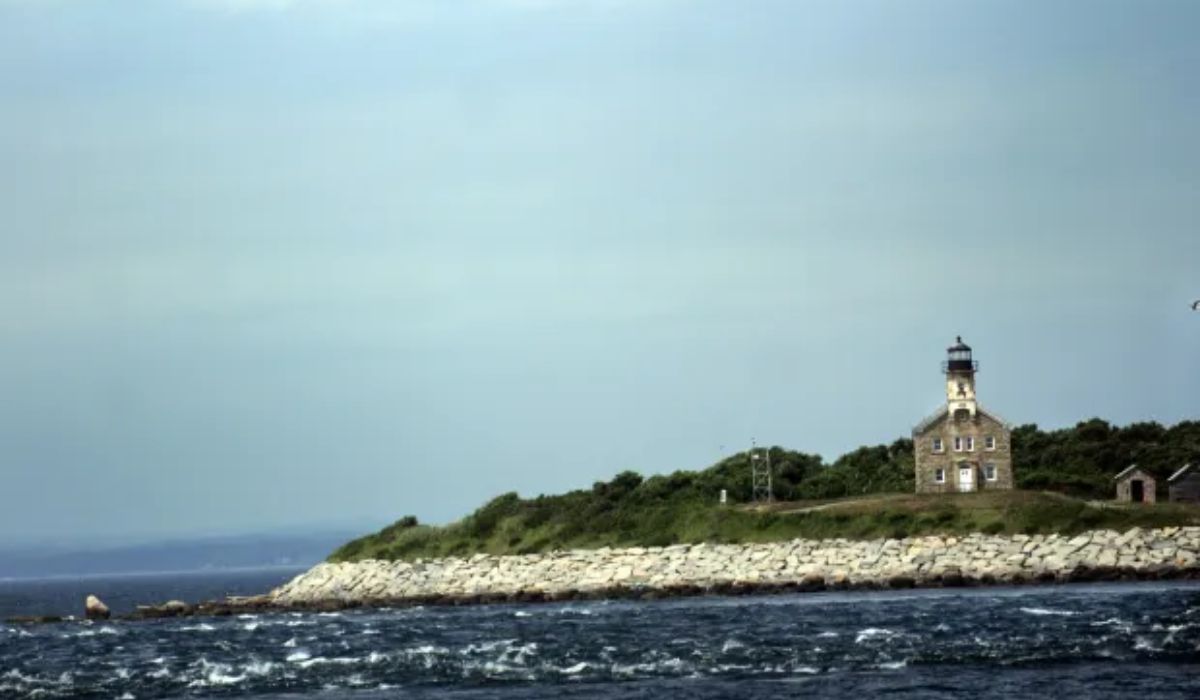
Despite its scientific and military history, Plum Island is also a remarkable ecological treasure.
Diverse Habitats
The island contains forests, grasslands, wetlands, beaches, and coastal ecosystems. These habitats support a wide range of plant and animal species.
Bird Migration
Birdwatchers consider the island an important stopover location for migratory birds traveling along the Atlantic Flyway.
Species ranging from hawks and songbirds to waterfowl can be found in the area during migration seasons.
Marine Ecosystems
The surrounding waters provide habitat for fish, shellfish, and marine mammals. The relatively limited human activity on the island has helped preserve many natural resources.
Environmental experts often describe Plum Island as one of the most significant wildlife refuges in the region.
The Mysteries and Conspiracy Theories
No discussion of Plum Island would be complete without addressing the rumors and speculation that have surrounded it.
Why the Theories Started
Restricted access naturally fuels curiosity. When people cannot easily see what happens behind fences and security checkpoints, questions arise.
The presence of government research facilities added another layer of intrigue.
The Montauk Monster Incident
One event that dramatically increased public attention was the discovery of an unusual animal carcass on a nearby beach in 2008.
Nicknamed the “Montauk Monster,” the creature sparked widespread speculation online. Some people suggested it might have escaped from Plum Island.
Scientists and wildlife experts generally concluded that the remains likely belonged to a known animal species in an advanced state of decomposition. Nevertheless, the story became part of the island’s growing mythology.
Separating Fact from Fiction
Many theories involving secret experiments and hidden projects have circulated over the years. However, no credible evidence supports many of the more sensational claims.
The combination of secrecy, government operations, and limited public access created fertile ground for speculation, but historical records largely support the island’s documented roles in defense and animal disease research.
Environmental Importance and Conservation
As awareness of ecological preservation has grown, Plum Island’s environmental value has become increasingly apparent.
Rare Species
The island provides habitat for numerous species, including some considered rare or sensitive.
Undisturbed Ecosystems
Because development has been limited, many natural areas remain relatively untouched compared to other coastal regions.
Conservation Advocacy
Environmental organizations have advocated for protecting the island’s habitats and wildlife. Many conservationists view Plum Island as a unique opportunity to preserve a large coastal ecosystem for future generations.
These efforts have helped shift public discussion from secrecy and mystery toward ecological stewardship.
The Future of Plum Island

The future of Plum Island has been the subject of ongoing debate.
Research Relocation
In recent years, plans were developed to move major research activities to newer facilities elsewhere. This transition marked the beginning of a new chapter for the island.
Preservation Proposals
Many stakeholders have proposed converting significant portions of the island into protected conservation areas. Such plans would safeguard habitats while allowing future generations to appreciate the island’s natural heritage.
Public Interest
Communities, historians, environmental groups, and policymakers continue to discuss the best path forward. The challenge lies in balancing preservation, historical significance, and potential future uses.
Visiting Plum Island: What You Should Know
Unlike many islands in New York, Plum Island has historically been closed to general tourism.
Limited Access
Public access restrictions have remained in place due to research operations and security requirements.
Viewing from Nearby Areas
Visitors can observe the island from various locations on eastern Long Island, including waterfront areas near Orient Point.
Educational Opportunities
Although direct visitation has been limited, books, documentaries, and historical resources provide insight into the island’s fascinating story.
As discussions about conservation continue, future opportunities for educational access may emerge.
Why Plum Island Continues to Fascinate People
Few places combine military history, scientific research, environmental significance, and public mystery as effectively as Plum Island.
Its story reflects several important themes in American history: national security, scientific innovation, environmental conservation, and the human tendency to wonder about the unknown.
The island remains a symbol of how geography can shape history. Its isolation protected sensitive research, preserved ecosystems, and inspired decades of speculation. Whether viewed as a scientific landmark, a wildlife sanctuary, or a source of enduring mystery, Plum Island continues to capture imaginations across generations.
Conclusion
Plum Island, New York, is far more than a secluded piece of land off the coast of Long Island. It has served as a military outpost, a center for groundbreaking animal disease research, and a refuge for diverse wildlife. Along the way, its restricted access and government operations gave rise to legends and conspiracy theories that still circulate today.
Yet beyond the mystery lies a deeper story—one of scientific achievement, environmental importance, and historical significance. As conversations about conservation and future use continue, Plum Island stands as a unique reminder that some of the most fascinating places are those we know the least about.
FAQs
1. What is Plum Island NY famous for?
Plum Island is famous for housing the Plum Island Animal Disease Center, its military history, diverse wildlife habitats, and the numerous mysteries and conspiracy theories associated with the island.
2. Can the public visit Plum Island?
Historically, public access has been restricted due to research operations and security concerns. Most visitors can only view the island from nearby locations.
3. What research was conducted on Plum Island?
Scientists studied foreign animal diseases affecting livestock, developed vaccines, improved disease detection methods, and enhanced agricultural biosecurity measures.
4. What is the Montauk Monster connection to Plum Island?
After an unusual carcass washed ashore near Montauk in 2008, some people speculated it originated from Plum Island. Experts generally identified it as a known animal in an advanced state of decomposition.
5. Why is Plum Island environmentally important?
The island contains relatively undisturbed habitats that support migratory birds, marine life, rare species, and diverse coastal ecosystems, making it valuable for conservation efforts.
Leave a Reply