Have you ever tasted something so simple yet so rich that it instantly elevates everything it touches? That’s exactly what tahini does. Whether it’s drizzled over roasted vegetables, blended into sauces, or spread onto warm bread, this humble paste has quietly become a global kitchen favorite.
But what exactly is tahini, and why is everyone—from home cooks to professional chefs—so obsessed with it? Let’s dive into the story, flavor, uses, and benefits of this versatile ingredient in a way that feels less like a textbook and more like a friendly chat in your kitchen.
What Exactly Is Tahini?
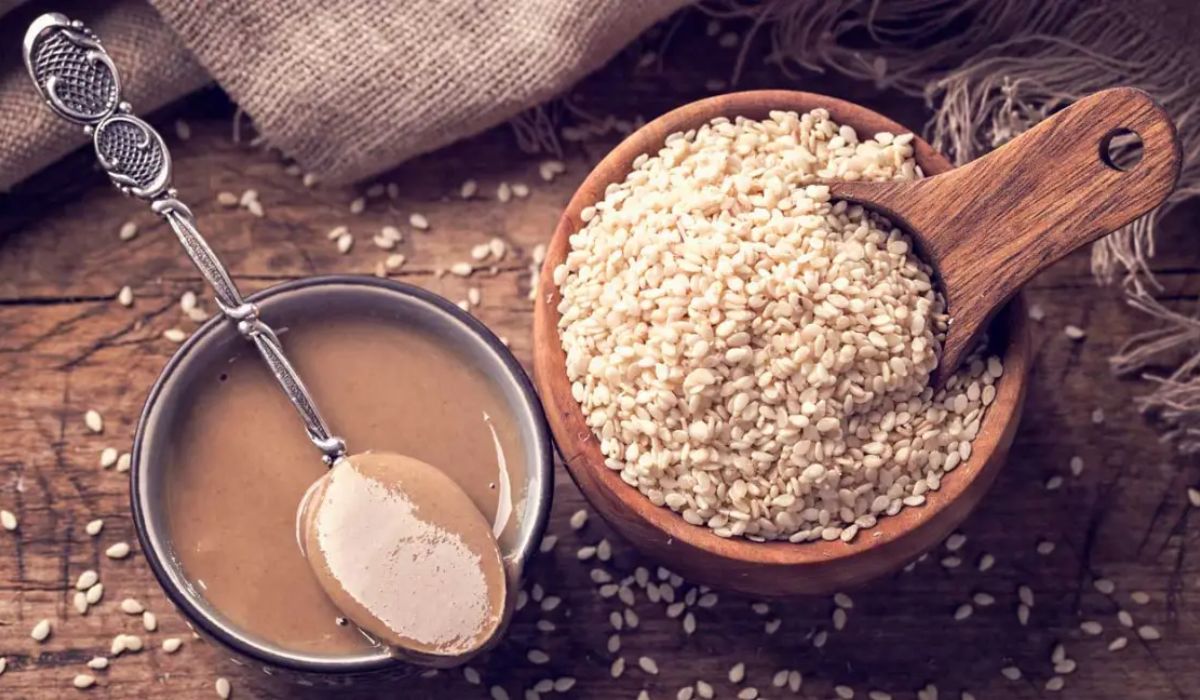
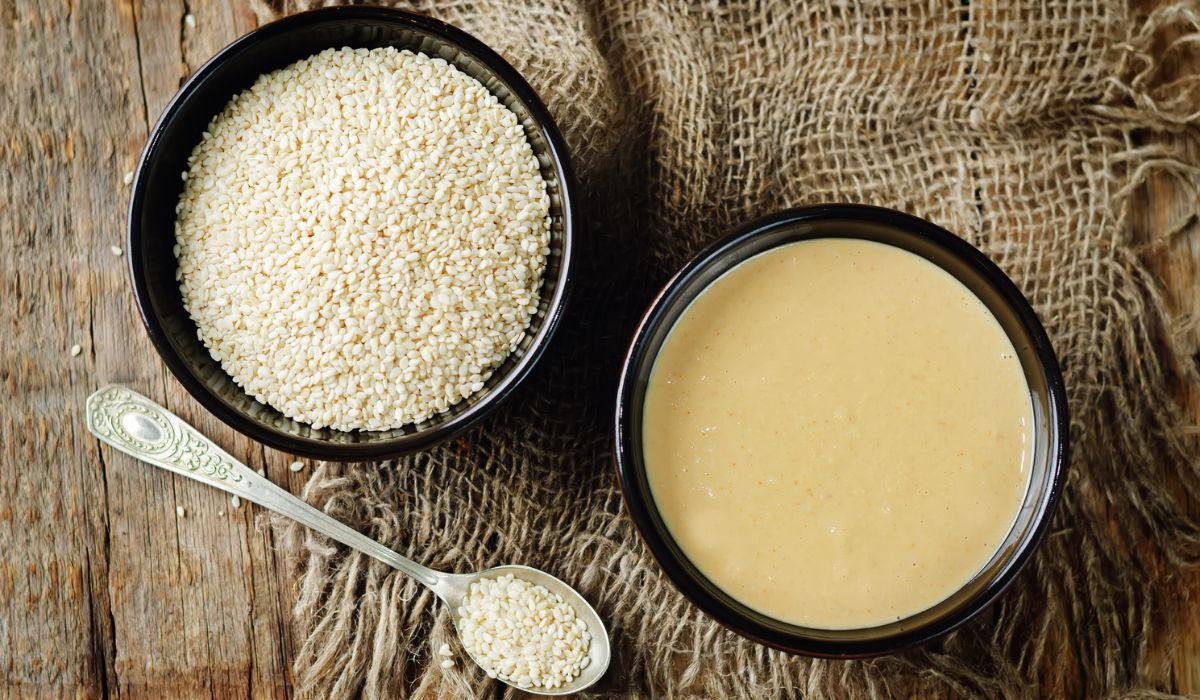
At its core, tahini is a smooth paste made from ground sesame seeds. Think of it as peanut butter’s more sophisticated cousin—less sweet, slightly bitter, and incredibly rich in flavor.
The seeds are typically hulled (outer shell removed), lightly toasted, and then blended into a creamy consistency. The result? A silky, nutty paste that can be used in both savory and sweet dishes.
You’ll often find tahini in Middle Eastern, Mediterranean, and North African cuisines, where it plays a starring role in many traditional recipes.
A Brief History of Tahini
Tahini isn’t a modern food trend—it has been around for centuries. Its roots trace back to ancient civilizations in the Middle East, where sesame seeds were cultivated and prized for their oil-rich properties.
Historical records suggest that sesame-based pastes were consumed as far back as 3000 years ago. Over time, tahini became a staple ingredient in regions like Lebanon, Israel, Turkey, and Greece.
Today, it has crossed borders and cuisines, showing up in everything from vegan desserts to fusion dishes in Western kitchens.
How Tahini Is Made
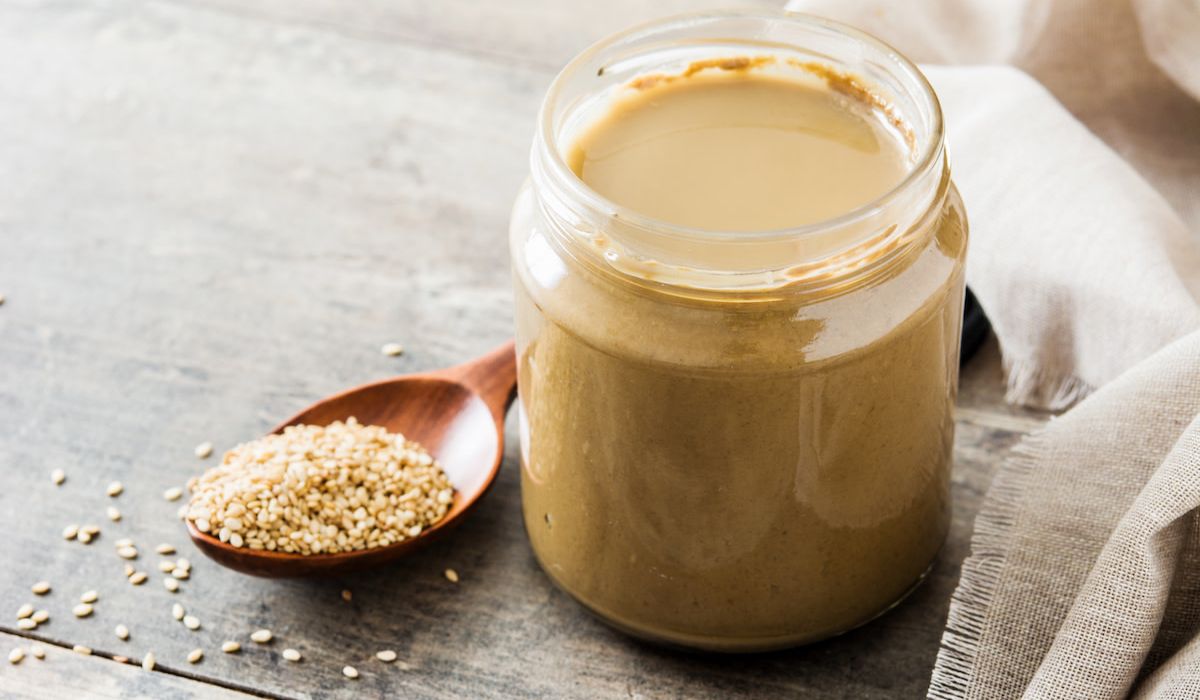
Ever wondered how those tiny seeds turn into something so creamy? The process is surprisingly straightforward.
1. Harvesting and Cleaning
Sesame seeds are collected and cleaned to remove impurities.
2. Hulling
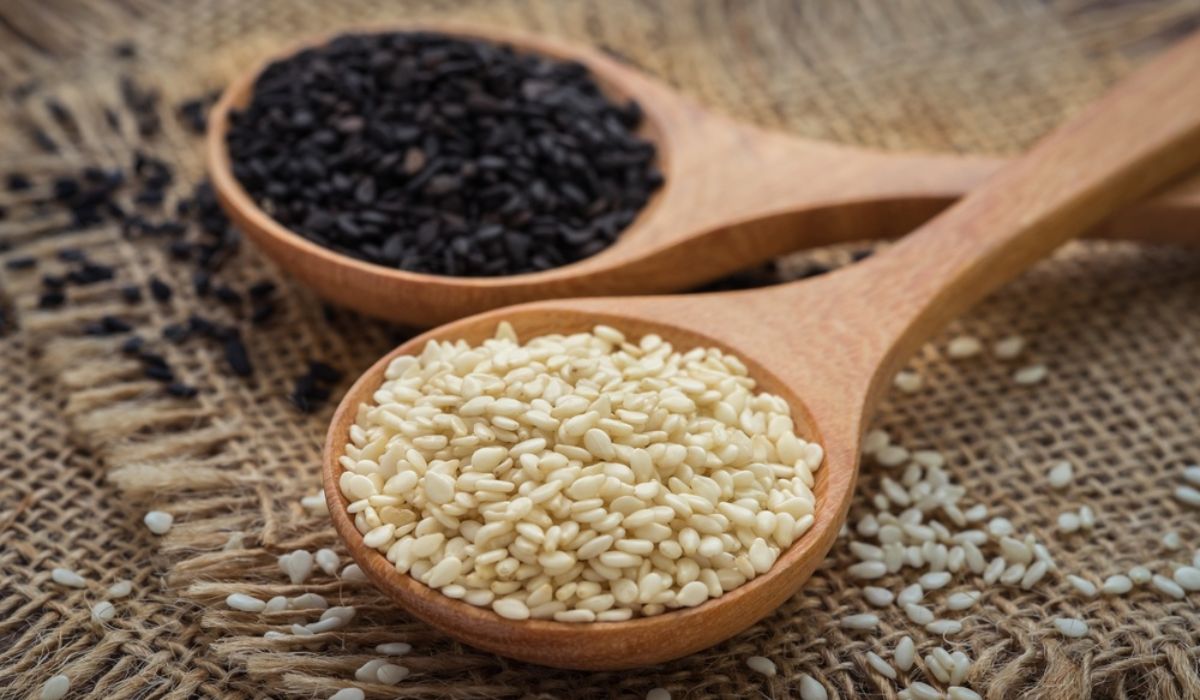
The outer shells are removed for a smoother taste and texture. Some varieties skip this step, resulting in a stronger, more bitter flavor.
3. Roasting
The seeds are lightly toasted to enhance their nutty aroma.
4. Grinding
Finally, the seeds are ground into a paste using stone mills or modern machines.
That’s it—no complicated chemistry, just simple transformation. It’s a bit like turning coffee beans into espresso: same ingredient, entirely new experience.
What Does Tahini Taste Like?
Describing tahini’s flavor can feel tricky because it’s unique. It’s:
- Nutty
- Slightly bitter
- Rich and earthy
- Smooth and creamy
If you’re expecting something sweet like peanut butter, you might be surprised. Tahini leans more toward savory, although it can easily be sweetened when used in desserts.
Think of it as a flavor bridge—it connects ingredients, balances spices, and adds depth to dishes without overpowering them.
Types of Tahini You Should Know
Not all tahini is created equal. Depending on how it’s made, the taste and texture can vary quite a bit.
Hulled Tahini
- Made from seeds without shells
- Smooth and mild
- Most commonly used
Unhulled Tahini
- Includes the outer shell
- Slightly bitter and darker
- Higher in fiber
Raw Tahini
- Seeds are not roasted
- Lighter taste
- Subtle flavor
Roasted Tahini
- Made from toasted seeds
- Richer, deeper flavor
Choosing the right type depends on what you’re cooking. For creamy dips, hulled tahini is usually the go-to option.
Popular Dishes That Use Tahini
Tahini shines in many beloved recipes. You’ve probably already tasted it without even realizing it.
Hummus
Hummus is perhaps the most famous dish featuring tahini. The paste blends with chickpeas, garlic, and lemon juice to create a creamy dip.
Baba Ghanoush
Baba ghanoush combines roasted eggplant with tahini for a smoky, silky spread.
Halva
Halva is a sweet treat made from tahini and sugar, offering a crumbly, fudge-like texture.
Salad Dressings and Sauces
Tahini mixed with lemon juice, garlic, and water creates a versatile sauce perfect for drizzling over salads or grilled vegetables.
Health Benefits of Tahini
Tahini isn’t just delicious—it’s also packed with nutrients.
Rich in Healthy Fats
The oils in sesame seeds are mostly unsaturated fats, which support heart health.
High in Protein
A great plant-based protein source, especially useful for vegetarian and vegan diets.
Loaded with Minerals
Tahini contains calcium, iron, magnesium, and zinc—essential for bone strength and overall wellness.
Antioxidant Properties
Sesame seeds are rich in compounds that help fight oxidative stress.
In simple terms, adding tahini to your meals is like giving your body a quiet, nutritious boost.
How to Use Tahini in Everyday Cooking
If tahini feels unfamiliar, don’t worry—you don’t need to be a chef to use it.
As a Spread
Spread it on toast with honey or jam for a quick breakfast.
In Sauces
Mix with lemon juice, garlic, and water for a creamy dressing.
In Smoothies
Add a spoonful for extra richness and nutrients.
In Baking
Use it in cookies, brownies, or cakes for a nutty twist.
As a Dip
Pair it with vegetables or pita bread.
It’s like a culinary multitool—simple, flexible, and surprisingly powerful.
Tahini vs. Peanut Butter: What’s the Difference?
At first glance, tahini might remind you of Peanut butter, but they’re quite different.
- Taste: Tahini is less sweet and more earthy
- Ingredients: Tahini is usually just sesame seeds, while peanut butter may include sugar or salt
- Usage: Tahini is more common in savory dishes
Think of peanut butter as dessert-friendly, while tahini comfortably lives in both sweet and savory worlds.
How to Store Tahini Properly
Tahini is relatively easy to store, but a few tips can help maintain its quality.
- Keep it in a cool, dry place
- Refrigerate after opening for longer shelf life
- Stir well before use (oil separation is natural)
If it thickens in the fridge, just let it sit at room temperature for a few minutes and stir.
Common Mistakes to Avoid
Even a simple ingredient like tahini can trip people up.
Not Stirring It
Natural separation can make the texture uneven.
Using Too Much at Once
Its strong flavor can overpower a dish.
Expecting Sweetness
It’s not meant to taste like dessert unless sweetened.
Avoiding these small mistakes can make a big difference in how your dish turns out.
Why Tahini Is Trending Worldwide
Tahini’s popularity has surged in recent years, and it’s not hard to see why.
- It fits into plant-based diets
- It’s versatile and easy to use
- It adds depth without complexity
From trendy cafes to home kitchens, tahini has become a go-to ingredient for anyone looking to elevate simple meals.
Conclusion
Tahini might seem like just another pantry item, but it’s so much more than that. It’s a bridge between cultures, a nutritional powerhouse, and a flavor enhancer all rolled into one.
Whether you’re blending it into dips, drizzling it over roasted vegetables, or experimenting with desserts, tahini offers endless possibilities. Once you start using it, you’ll likely wonder how your kitchen ever functioned without it.
So next time you spot a jar on the shelf, give it a try—you might just discover your new favorite ingredient.
FAQs
1. Is tahini the same as sesame paste?
Not exactly. While both are made from sesame seeds, tahini is usually smoother and made from hulled seeds, giving it a milder flavor.
2. Can tahini be eaten on its own?
Yes, but its strong taste might feel intense. It’s often better when mixed into dishes or paired with other ingredients.
3. Is tahini suitable for vegans?
Absolutely. It’s completely plant-based and commonly used in vegan recipes.
4. Does tahini need to be refrigerated?
It doesn’t have to be, but refrigeration helps extend its shelf life after opening.
5. What can I substitute for tahini?
You can use nut butters like almond or peanut butter, though the flavor will be slightly different.
Leave a Reply