
When people hear the name Frankenstein, what comes to mind first? A green-skinned monster with bolts in his neck? A tragic figure misunderstood by society? Or maybe a shadowy laboratory lit by flashes of lightning? The truth is, the idea of Frankenstein has been shaped just as much by theaters and cinema screens as by the written page. The story’s theatrical release history is rich, dramatic, and surprisingly human—much like the creature itself.
In this article, we’ll explore how Frankenstein evolved from a novel into a global theatrical phenomenon, how its releases shaped popular culture, and why audiences keep returning to this story generation after generation.
The Birth of a Timeless Story
Before Frankenstein ever reached theaters, it lived on the printed page. Frankenstein, written by Mary Shelley, was first published in 1818. At its core, it wasn’t just a horror tale—it was a meditation on ambition, responsibility, and what it means to be human.
Think of the novel as a seed. Theatrical releases, whether on stage or screen, were the sunlight and water that helped it grow in countless directions. Each adaptation added a new leaf, sometimes changing the shape but never killing the roots.
From Page to Stage: Early Theatrical Adaptations
Long before cinema, Frankenstein found life on stage. In the 19th century, stage adaptations became wildly popular across Europe and America. These theatrical productions often simplified the story, focusing more on spectacle than philosophy.
Why? Because live audiences craved emotion they could see. Thunder effects, dramatic lighting, and exaggerated performances made the monster larger than life. In many ways, these early stage releases trained audiences to associate Frankenstein with visual drama—something that later theatrical film releases would fully embrace.
Hollywood Enters the Laboratory
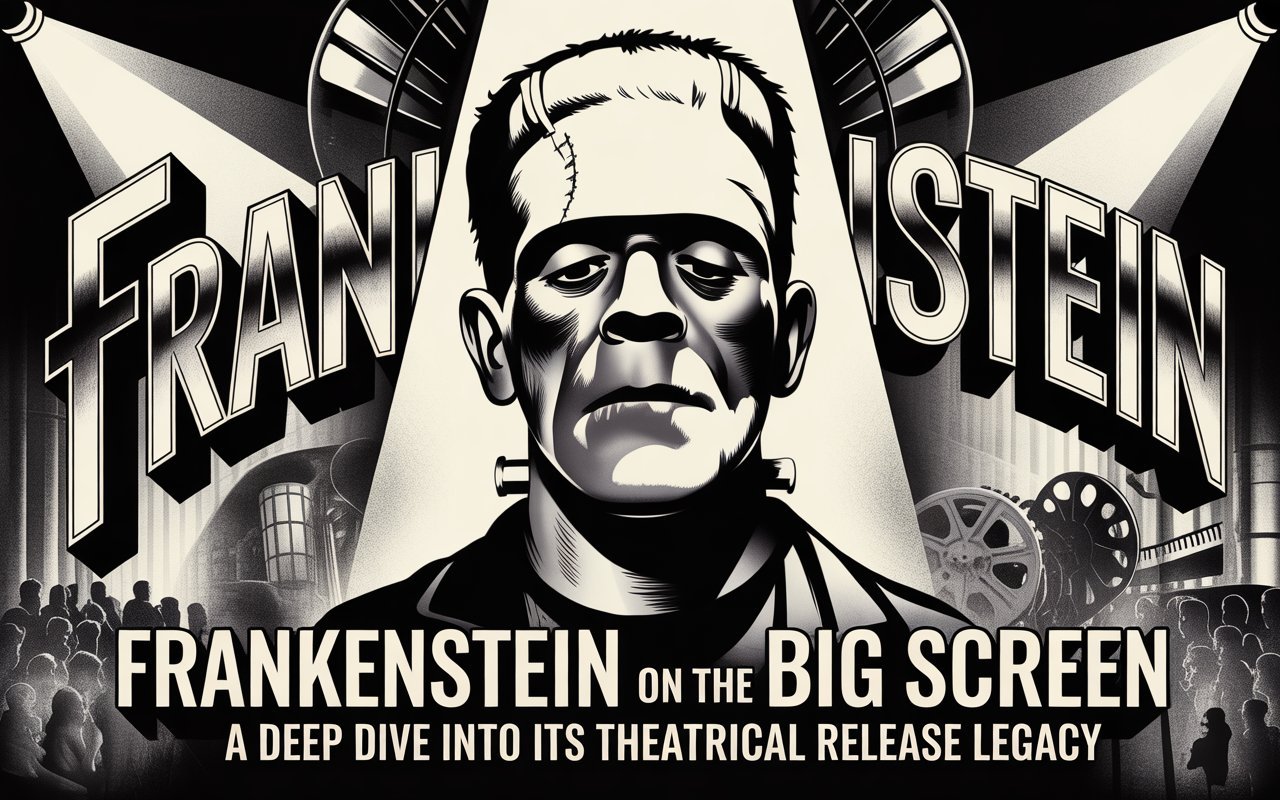
The real turning point came with cinema. When Hollywood discovered Frankenstein, it was like striking lightning for the first time.
The 1931 release of Frankenstein changed everything. Directed by James Whale and starring Boris Karloff, this theatrical release defined the monster’s visual identity.
This wasn’t just a movie—it was an event. Audiences lined up, theaters sold out, and the creature became a cultural icon overnight.
The Power of a Theatrical Release Experience
Watching Frankenstein in a theater isn’t the same as watching it at home. Why does that matter?
A theatrical release creates a shared emotional experience. When the monster first appears on a giant screen, the silence in the room feels heavier. The fear feels collective. It’s like listening to a campfire story alone versus hearing it with a crowd—you react not just to the story, but to each other.
That communal reaction helped Frankenstein become more than a film. It became a shared memory.
Universal Studios and the Monster Boom
After the success of Frankenstein (1931), Universal Studios realized they had something special. The sequel, Bride of Frankenstein, followed soon after and proved that theatrical releases could expand the story rather than repeat it.
These films turned Frankenstein into part of a larger horror universe. Theatrical marketing, posters, and premieres transformed the monster into a recognizable brand. Much like a familiar face in your neighborhood, audiences felt they knew Frankenstein—even if they misunderstood him.
International Theatrical Releases and Global Appeal
Frankenstein didn’t stay confined to Hollywood. Theatrical releases spread across Europe, Asia, and beyond. Each culture brought its own interpretation.
Some international releases leaned heavily into horror. Others emphasized tragedy or moral lessons. This global adaptability is one reason the story survives. It’s like a mirror—each audience sees something of itself reflected back.
Reinvention Through Modern Cinema
Fast forward to the modern era, and Frankenstein continues to find new theatrical life. Films such as Mary Shelley’s Frankenstein attempted to return closer to the novel’s emotional core.
Modern theatrical releases often focus less on fear and more on identity, loneliness, and ethical boundaries. These themes resonate strongly today, especially in a world shaped by technology and artificial intelligence.
The Role of Technology in Theatrical Storytelling
Advances in filmmaking technology have reshaped how Frankenstein is presented in theaters. From black-and-white film stock to digital effects, each era leaves its fingerprint.
Yet here’s the interesting part: no matter how advanced the visuals become, the heart of Frankenstein remains emotional. Special effects are just the wrapping paper—the real gift is the story inside.
Audience Reactions Across Generations
One fascinating aspect of Frankenstein’s theatrical release history is how different generations respond.
-
Early audiences feared the monster.
-
Mid-century viewers sympathized with him.
-
Modern viewers often question Victor Frankenstein more than the creature.
It’s like rereading the same book at different ages. The words don’t change, but you do.
Why Frankenstein Keeps Returning to Theaters
Why does Hollywood keep bringing Frankenstein back to theaters?
Because the story asks questions that never expire. What happens when creation outpaces responsibility? What does society owe to those it rejects? These questions hit home no matter the decade.
Theatrical releases give these questions a public stage, turning private thoughts into shared conversations.
Cultural Impact Beyond the Theater
The influence of Frankenstein theatrical releases extends far beyond cinema halls. The imagery has shaped Halloween costumes, cartoons, advertising, and even everyday language.
Calling something a “Frankenstein” often means it’s powerful but poorly understood—a direct result of how theatrical releases framed the story for mass audiences.
The Future of Frankenstein on the Big Screen
So, what’s next?
Future theatrical releases are likely to explore even deeper themes, especially around science and ethics. As technology evolves, Frankenstein feels less like fantasy and more like a warning label on modern ambition.
The monster may change faces, but his story will keep walking into theaters, asking us the same uncomfortable questions.
Conclusion: A Living Legend in Theaters
The theatrical release history of Frankenstein is more than a timeline of films—it’s a record of changing fears, hopes, and values. From stage productions to classic cinema and modern adaptations, each release adds another layer to the legend.
In many ways, Frankenstein itself is like a patchwork creation—stitched together from different eras, cultures, and perspectives. And just like the creature, it refuses to fade away.
Frequently Asked Questions (FAQs)
1. Why was the 1931 theatrical release of Frankenstein so important?
It defined the visual image of the monster and proved that horror films could succeed with mainstream audiences.
2. How did theatrical audiences originally react to Frankenstein films?
Early viewers were shocked and frightened, but also deeply fascinated by the story’s emotional depth.
3. Are modern theatrical releases closer to the original novel?
Many recent adaptations try to reflect the novel’s themes more faithfully, especially its focus on responsibility and isolation.
4. Why does Frankenstein work so well in theaters compared to home viewing?
The shared atmosphere of a theater amplifies fear, empathy, and emotional engagement.
5. Will Frankenstein continue to be released theatrically in the future?
Yes, because its themes remain relevant, and each generation finds new meaning in the story.
Leave a Reply